
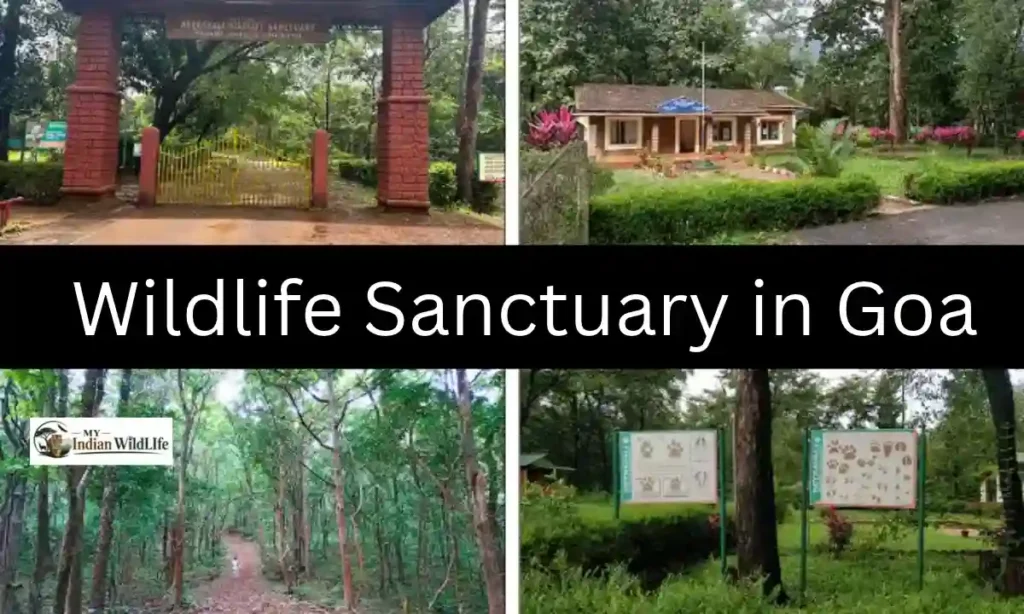
Although Goa is popular for its beaches, night life and historical places of interest, yet Goa boasts of a very attractive natural beauty with plenty of forests, wetlands, rivers and flora & fauna. The Western Ghats running through Goa have a range of vegetation, fauna, reptile and avian species. Visiting wildlife sanctuaries in Goa gives tourists an insight into the natural side of Goa besides the crowded coast of Goa.
Visiting a wildlife sanctuary in Goa may involve activities such as exploring the forests, watching birds, trekking in nature, capturing photos of wildlife, waterfall and other natural spots. Some protected areas in Goa are famous for thick forests, while some other sanctuaries in Goa are home to birds and mangrove forests. Due to this diversity, the wildlife areas of Goa prove attractive to nature enthusiasts, photographers, families and travelers.
Wildlife Sanctuary in Goa
The wildlife sanctuaries of Goa are natural reserves that have been created for the conservation of the forests, wildlife, and biodiversity of the state. The majority of these wildlife sanctuaries are situated within the region of the Western Ghats, which consist of evergreen and semi-evergreen forests, moist deciduous flora, rivers and grasslands. Such regions are home to many animals including gaur, sambar, deer, wild boars, monkeys, reptiles, and birds.Some of the most popular wildlife destinations include Bhagwan Mahavir Wildlife Sanctuary, Bondla Wildlife Sanctuary, Cotigao Wildlife Sanctuary, Dr. Salim Ali Bird Sanctuary, Mhadei Wildlife Sanctuary, and Netravali Wildlife Sanctuary. Each of these destinations has its own distinct features, and thus tourists have the choice to visit the destinations of their preference depending on their interests.
How Many Wildlife Sanctuaries Are There in Goa?
There are various wildlife protected zones in Goa, with the prominent wildlife spots of the state situated in North Goa, South Goa, and the central forest zones. Some of the famous wildlife sanctuaries in Goa are Bhagwan Mahavir Wildlife Sanctuary, Bondla Wildlife Sanctuary, Cotigao Wildlife Sanctuary, Dr. Salim Ali Bird Sanctuary, Mhadei Wildlife Sanctuary and Netravali Wildlife Sanctuary.The unique features of these protected zones vary significantly among themselves. Bhagwan Mahavir Wildlife Sanctuary is linked with the Mollem forest and natural beauty, whereas the Bondla Wildlife Sanctuary is more suitable for family visits and education purposes. Cotigao Wildlife Sanctuary is renowned for its forested area, Dr. Salim Ali Bird Sanctuary is for wetland and mangroves, and Mhadei and Netravali are famous for their Western Ghats landscape.
List of Wildlife Sanctuaries in Goa
| Wildlife Sanctuary | Location | Main Attraction |
|---|---|---|
| Bhagwan Mahavir Wildlife Sanctuary | Mollem, South Goa | Forests, wildlife and natural attractions |
| Bondla Wildlife Sanctuary | Ponda region | Wildlife education and nature activities |
| Cotigao Wildlife Sanctuary | Canacona, South Goa | Dense forests and wildlife |
| Dr. Salim Ali Bird Sanctuary | Chorao Island | Mangroves and bird watching |
| Mhadei Wildlife Sanctuary | North Goa | Western Ghats forests and biodiversity |
| Netravali Wildlife Sanctuary | South Goa | Forests, streams and waterfalls |
Together, these places offer a look at the various natural features of Goa. While some are more popular for forest life, there are other places that allow tourists to see birds and mangroves. It is recommended that tourists should be aware of the current conditions at these locations before visiting them.
About Bhagwan Mahavir Wildlife Sanctuary
Bhagwan Mahavir Wildlife Sanctuary is one of the significant forest conservation sites in Goa and is situated in Western Ghats, near Mollem. The Bhagwan Mahavir Wildlife Sanctuary is a part of a bigger forest region that has significant importance from the viewpoint of Goa’s biodiversity. Dense forests, streams, and diverse topography of the sanctuary serve as habitat for a variety of animals, birds, reptiles, and other forest flora. The sanctuary is also significant in light of the fact that many tourist sites related to nature and heritage can be visited in the vicinity of Mollem. One can visit places like Dudhsagar Falls and Tambdi Surla on a trip of this kind. It thus makes the area one of the prime natural tourism locations of Goa.
Area of Bhagwan Mahavir Wildlife Sanctuary
Protected areas like the one around Bhagwan Mahavir have a large expanse of land and are home to one of the largest areas of Western Ghats in the state of Goa. This area has a topography of hills, valleys, streams, and thick vegetation that creates different ecosystems in the region. It has many species of fauna and flora.The Bhagwan Mahavir Sanctuary is very important for the purpose of conservation since it is home to many species in its ecosystem and provides connected forests for wildlife. Vegetation in this region also helps maintain the water ecology of the region.
Wildlife Found in Bhagwan Mahavir Wildlife Sanctuary
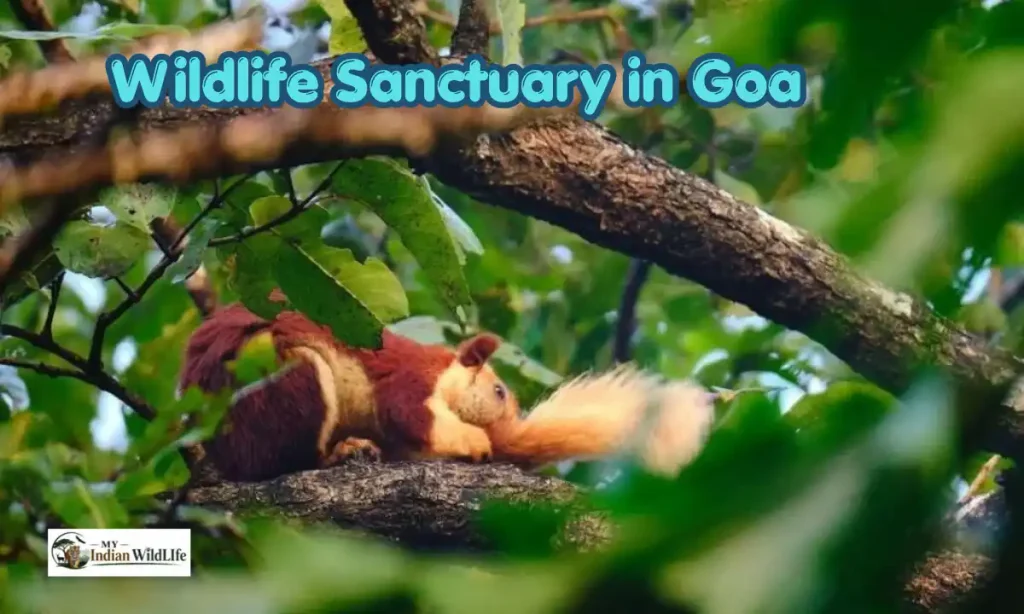
There are various animals belonging to the Western Ghats region and those residing in the forests of Goa found in the Bhagwan Mahavir Wildlife Sanctuary. During nature walks, one may be able to observe animals like gaur, sambar, barking deer, wild boars, monkeys, and other small mammals. The thick forests will also house some reptiles, amphibians, and insects.It would be difficult to spot some animals as they usually stay away from crowded areas and pass through thick undergrowth. Any wildlife experience will be mostly about enjoying the natural surroundings rather than being assured of spotting a particular animal. Visitors must be silent and follow all the forest rules during any wildlife experience.
Birds Found in Bhagwan Mahavir Wildlife Sanctuary
Various bird species exist within the forest habitat of Bhagwan Mahavir. Trees, rivers, forest glades, and fruit bearing plants are some habitats where birds can feed and nest. Birds that one can see include those that fall under various categories such as hornbills, drongos, barbets, kingfishers, woodpeckers, and forest birds among others.Morning time is generally good for bird watching since birds tend to be active during the cool hours. It will help if you bring your binoculars and keep a quiet atmosphere. For people who are interested in taking pictures of birds, proper equipment and sufficient distance from birds will do well.
Flora of Bhagwan Mahavir Wildlife Sanctuary
The flora found in the sanctuary is diverse, depicting the rich diversity found in the Western Ghats. Different forms of vegetation found in the forests include the moist deciduous forests, semi-evergreen, and evergreen. Various forms of trees, bamboo, climbers, shrubs and other plant forms make the vegetation structure varied.The vegetation found in the sanctuary plays a key role in the maintenance of the ecosystem apart from being used by the wildlife. Vegetation provides food and shelters for the animals and the birds. The forest becomes very green during the rainy season due to various streams and waterfalls.
Things to See Near Bhagwan Mahavir Wildlife Sanctuary
There are a number of attractions that are available in the Mollem area, which can be combined along with a visit to the sanctuary. Dudhsagar Falls is considered to be one of the major natural attractions in the larger area, whereas Tambdi Surla Temple is a major tourist attraction in terms of history and architecture set in the forest surroundings.All these attractions need to be planned by visitors as per official guidelines on accessing these attractions, since their visit arrangements may depend on weather and forest conditions, etc. Combining wildlife, waterfalls, and heritage can make a trip to the sanctuary much more nature focused.
Best Time to Visit Bhagwan Mahavir Wildlife Sanctuary
The best time for visiting Bhagwan Mahavir Wildlife Sanctuary usually depends on what kind of experience one wishes to have. The dry, warm months will provide comfortable weather for outdoor exploration, and some types of wildlife will be easier to see due to less thick vegetation at waterholes. On the other hand, the cool months that follow monsoon will allow you to enjoy outdoor activities.Monsoon is when there will be plenty of rain in the Western Ghats region and everything will be covered in greenery. However, some activities and paths might not be available due to poor weather and safety conditions, so one needs to clarify the situation first.
About Bondla Wildlife Sanctuary
Bondla Wildlife Sanctuary is a small but interesting place to visit as far as wildlife is concerned in Goa, and it is distinct from other forest sanctuaries in the state. It is specifically recommended for those who wish to gain information about wildlife and take a trip that is related to nature without spending the whole day in the woods.The place of the sanctuary is filled with sites that are dedicated to raising awareness about wildlife and the nature around. Due to its accessible location, the place is very popular among families, students, nature lovers and tourists.
Animals Found in Bondla Wildlife Sanctuary
Bondla presents a chance for the tourists to study about various animals which are related to the wild life of Goa. Bondla and its facilities mainly center around the wildlife education and awareness. Tourists may get to know about various types of mammals and other types of wildlife as well in the specific zones of Bondla.Since Bondla functions in such a way that it serves as a destination for wildlife education, it provides a much better opportunity to view wildlife in contrast to the normal forest safaris.
Bondla Deer Park and Wildlife Attractions
One of the things that is attractive about Bondla is the deer park, where the deer can be seen in a controlled environment. This will allow one to have a good knowledge about the physical characteristics and habitat of the animals.The other features of Bondla that would make it an ideal location for an educational tour include the facilities which make it easy to learn about the wildlife without having to go into the forest or go through the safari process.
Nature Education Centre at Bondla
The Nature Education Centre is a vital component of the educational intent of Bondla. This centre helps people learn about the forests, wildlife, and conservation of Goa through education. Such centers are quite helpful to students and families that have kids with them on tours.Educational aspect of Bondla transforms it into much more than just a tourist spot. People come to learn the importance of protecting forests for wildlife conservation through responsible tourism.
Botanical Garden at Bondla
The Botanical Garden is yet another dimension that adds more meaning to the trip at Bondla by acquainting the visitor with the diversity of plant life. There are many varieties of trees, shrubs, herbs, and vegetation in the forests of Goa, and through botanical exhibits, one may get acquainted with them.The Botanical Garden can always be visited in combination with the Wildlife and Educational features while visiting Bondla. Nature enthusiasts will have a chance to learn not only about animal life but also about plant life in the forest.
Best Time to Visit Bondla Wildlife Sanctuary
The cold season is relatively comfortable to visit Bondla since walking outdoors becomes easy owing to comfortable weather. The post-monsoon season may also turn out to be an exciting experience since the surrounding vegetation continues to remain green due to rains.In monsoons, Goa is prone to heavy rains. Travellers may check the timings of their visit along with the access to this place prior to visiting during the rainy season.
About Cotigao Wildlife Sanctuary
Cotigao Wildlife Sanctuary is one of the best-known wildlife locations in South Goa and is famous for its forested terrain and serene natural environment. Situated in the Canacona area, the sanctuary provides a relatively serene experience to its visitors unlike the more frequented beaches and tourist spots of Goa. The forests of the sanctuary have moist deciduous, semi-evergreen and evergreen vegetation providing habitat for several species.The sanctuary is very popular among the tourists who love forests, bird watching, nature photography and serene surroundings. Visitors do not visit the sanctuary expecting to see animals but are attracted by the forest eco-system, birds and plant life around the sanctuary. Cotigao Wildlife Sanctuary has a watchtower at a higher elevation that is quite famous amongst visitors.
Location of Cotigao Wildlife Sanctuary
The Cotigao Wildlife Sanctuary lies in Canacona Taluka of South Goa, near the border of Goa-Karnataka. The sanctuary does not lie near the major coastal tourist destinations and is thus a good place for those who wish to visit the natural aspect of Goa that has not been developed much yet.One can reach the sanctuary via roads from various places such as Canacona, Palolem and other parts of South Goa. One can include a visit to Cotigao in their travel plan if they are staying around Palolem. The travel time may vary according to the starting point and the road condition.
Area of Cotigao Wildlife Sanctuary
The Cotigao Wildlife Sanctuary occupies a vast forest land and constitutes an important component of the southern Western Ghats region of Goa. The terrain comprises forested hills, valleys, streams, and thick vegetation regions. This diverse range of terrains plays an important role in facilitating the survival of various species of flora, avian fauna, mammals, reptiles, and other forest dwellers.The forests of the Cotigao Wildlife Sanctuary play an important role in maintaining biological diversity and conserving natural habitats. The vegetation acts as a means to conserve the water resources of the area and establishes ecological linkages among forest regions.
Wildlife Found in Cotigao Wildlife Sanctuary
There are various types of mammals, birds, and reptiles that are found in the forests of Goa that find home in Cotigao. Animals in the sanctuary along with the forests around include gaur, sambar, barking deer, wild boars, monkeys, and various other mammals. The thick flora in the area provides homes to various reptiles, amphibians, and insects.Wild animals are hard to see in such forested areas; thus, visitors cannot expect to see them all the time. Early morning is the best time to observe various birds and animals. Observing the rules of the forest and maintaining silence are crucial in this regard.
Birds Found in Cotigao Wildlife Sanctuary
The forest habitat at Cotigao offers many different types of birds, which makes it a fascinating spot for bird watchers. Different levels of the forest offer food and nests to various species like drongos, barbets, woodpeckers, kingfishers, etc. These species are also linked to the Western Ghats.It is generally more pleasant to bird watch in the early morning due to pleasant temperatures and increased bird activities. It may be helpful to have binoculars at hand to look at birds from afar. Those who are into photography should be careful not to disturb birds’ feeding grounds or nests.
Cotigao Tree Top Watchtower
One of the popular places of interest linked to Cotigao Wildlife Sanctuary is the tree-top watchtower. This watchtower being located at a certain height above the forest ground allows tourists to get an opportunity to see the entire surrounding vegetation from a certain height.This point of view can be especially beneficial for nature observation and photography. But it should be noted that no guarantee can be provided concerning the sight of the animals since the latter can freely move around the forest and can be hidden from sight by the vegetation.
Forest Trails and Nature Activities
Cotigao provides chances for experiencing nature trails and exploration in the forest. Walking in the forest gives visitors an opportunity to see various flora, insects, birds, streams and many other features of the forest which might not come into view on a car journey.Any activity of nature must always be carried out in accordance with the guidelines set by the authorities of the forest. Visitors need to stick to permitted trails, refrain from disturbing any plant or animal, and bring back all garbage.
Best Time to Visit Cotigao Wildlife Sanctuary
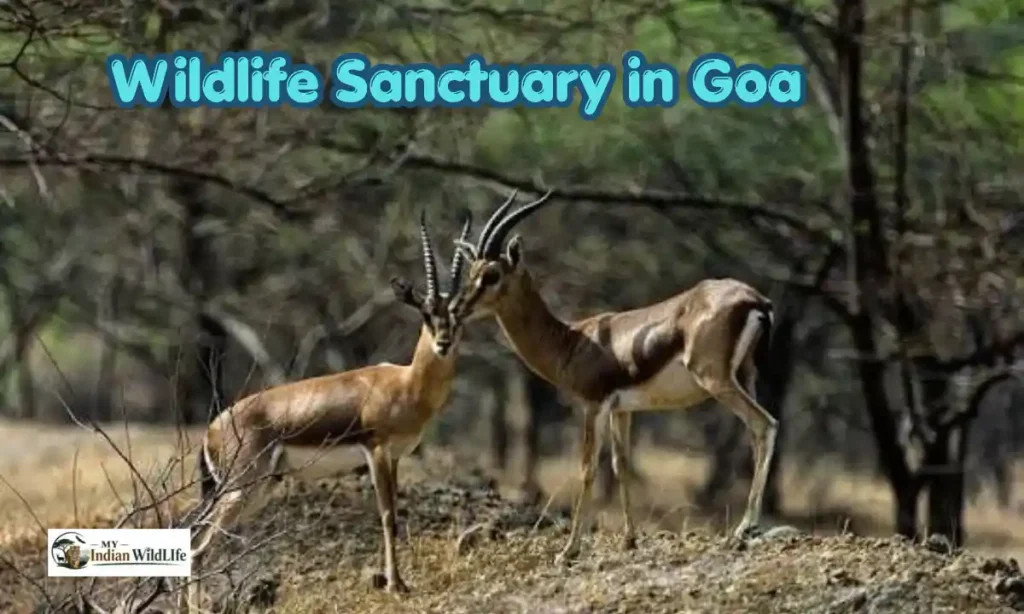
Cotigao Wildlife Sanctuary is ideal to visit during the post-monsoon time and also during the cooler winter season. The forest will be lush and green due to the rains, and the cool and pleasant weather will make things easier in the outdoors. Winter mornings are ideal for bird watching and nature photography.However, one can even spot some wildlife during the warm seasons as the animals could be out looking for water. But the high temperatures of the days require enough water and proper protection from the sun. In case of heavy rains during the monsoon, it could affect outdoor activities.
About Dr. Salim Ali Bird Sanctuary
What makes Dr. Salim Ali Bird Sanctuary distinct from other wildlife destinations in Goa is that the highlight of the sanctuary is not any big animals but the bird habitats. It is located on the island of Chorao near the Mandovi River and has very valuable mangroves that serve as habitats for many birds in the area.Dr. Salim Ali Bird Sanctuary is named after the renowned Indian ornithologist Dr. Salim Ali who made great contributions to the studies of birds in India. Visiting Dr. Salim Ali Bird Sanctuary is a whole new way of experiencing wildlife through birdwatching and the surrounding natural landscapes.
Location of Dr. Salim Ali Bird Sanctuary
Dr. Salim Ali Bird Sanctuary is situated in Chorao Island of North Goa, near Panaji. The special thing about Dr. Salim Ali Bird Sanctuary is that it is based on an island, making it different from the other wildlife spots in the Western Ghats. Tourists come here by moving towards the ferry spot and then reaching the place of the sanctuary.Being located in close proximity to Panaji, tourists can plan a trip including many places of North Goa. It is recommended that tourists visit their website and get all the information about ferry services and visiting hours of the sanctuary.
Mangrove Forests of Dr. Salim Ali Bird Sanctuary
The mangroves are the main characteristic of the sanctuary and are highly responsible for contributing to the survival of birds found here. The mangroves are saline plants growing on water bodies and offer shelter, source of food and breeding grounds to many types of birds.Mangrove forests are also ecologically significant since they help protect the coasts. The mangroves help sustain aquatic life and are also the natural homes to many insects, fish, crustaceans and other living things that constitute the food web. Visiting the mangrove forests gives visitors the chance to experience a completely different ecosystem compared to the Goan forests.
Birds Found in Dr. Salim Ali Bird Sanctuary
The sanctuary contains different resident and migratory birds. Depending upon the season, the visitors can spot birds like kingfishers, herons, egrets, cormorants, eagles, sandpipers, and various other types of waterbirds.However, the best views depend upon the weather conditions, tides, seasons, and time of the day. Morning hours are generally considered ideal for bird watching since many species are found active during the early hours. The visitors should carry binoculars and refrain from making any unnecessary noise while observing birds.
Bird Watching at Dr. Salim Ali Bird Sanctuary
Bird watching is the key attraction at the Dr. Salim Ali Bird Sanctuary. The presence of mangrove flora and water channels makes it a perfect setting for viewing the birds in their natural habitats. People can spend their time in recognizing various types of birds, watching them feed and clicking pictures of the birds from a safe distance.This is an especially appropriate attraction for those who like to pursue leisurely outdoor activities. Unlike other regular wildlife safari experiences, bird watching demands patience since birds may be hidden within mangrove branches.
Best Time to Visit Dr. Salim Ali Bird Sanctuary
The colder seasons are mostly seen as ideal for bird watching since they allow for more comfortable weather conditions for bird watching and the sanctuary will be able to host some seasonal guests among its collection of birds.Those intending on visiting the sanctuary should ensure that they know the arrangement of entry into the sanctuary at that particular time. This is especially so during the monsoon seasons due to weather, tide, and ferry schedules.
About Mhadei Wildlife Sanctuary
Mhadei Wildlife Sanctuary can be found in the northern part of the state of Goa and constitutes an integral component of Western Ghats region. The wildlife sanctuary is famous for its forests, streams, hills and biodiversity. Due to its relative seclusion, it becomes especially attractive for tourists seeking for more natural side of Goa.The sanctuary is home to various forest species and is an essential constituent of the Western Ghats. Moreover, the region’s landscape includes various waterfalls, which contributes to the suitability of the region for exploration of nature and engaging in outdoor activities.
Location of Mhadei Wildlife Sanctuary
The Mhadei Wildlife Sanctuary is situated in the northern regions of Goa near the areas that form the borders of neighboring states. The terrain of the forest in the sanctuary is quite distinct from the coastal landscapes of Panaji and other beach locations in Goa.Due to its inland location, travel to the sanctuary will involve traveling by road through rural and forest areas. Visitors to the region from the coast of Goa need to make arrangements for transport in advance.
Wildlife Found in Mhadei Wildlife Sanctuary
Mhadei Sanctuary serves as a home to many animals that are characteristic of Western Ghats. The forest area hosts various animals like gaur, sambar, barking deer, wild boars, monkeys, and a variety of other small mammals, apart from reptiles and amphibians.Since Mhadei has very dense forest, the meeting with any wild animal here is uncertain. The whole forest environment is the major highlight here instead of meeting any specific animal. Visitors are required to stay at a safe distance from the animals.
Birds and Biodiversity of Mhadei Wildlife Sanctuary
The ecosystem of the forest in Mhadei sustains many different types of birds and other living creatures. The presence of a forest canopy and other elements like streams makes it possible for various species to find food and shelter. Those interested in bird watching can do so in this region, whereas those interested in nature can study butterflies, insects, and other smaller life forms.The biodiversity of Mhadei is directly related to the Western Ghats ecosystem. The conservation of these forests not only helps sustain the habitat of wildlife but also the availability of water.
Forest Landscape of Mhadei Wildlife Sanctuary
The landscape in Mhadei is made up of forest hills, valleys, streams, and dense vegetation. When the rainy season ends, the forest is very green and there are some waterfalls and streams as well. The rough nature of the area also helps keep it wild.Nature enthusiasts will be able to enjoy the sanctuary not only because of its flora and fauna but also due to its landscape. They must keep in mind that it is an eco-sensitive area, which means that they should not litter and disturb any animal species.
Waterfalls and Natural Attractions Near Mhadei
The Mhadei region is known for a number of waterfalls and streams along with beautiful forest areas that attract people who love nature. Natural beauty becomes more attractive in the rainy season when water flow becomes higher and plants become lush.But slippery and hard-to-traverse routes due to rain can make it dangerous for tourists visiting such waterfalls and forest regions. It is important to always take weather into account while engaging in any outdoor activity.
Best Time to Visit Mhadei Wildlife Sanctuary
Winter is the best time of the year to explore the Mhadei area, whereas the post-monsoon period brings about lush forests with streams flowing down. If visitors wish to see nature in its best form with comfort, then winter can prove to be a better time.Monsoons bring about great scenic beauty, along with heavy rains and difficult terrain and weather conditions. Visitors must ensure before planning their visits that the activity or forest region they wish to visit is accessible.
About Netravali Wildlife Sanctuary
Netravali Wildlife Sanctuary is yet another significant protected forest area in South Goa, noted for its diverse Western Ghats region. It is characterized by dense forests, rivers, hills and other flora and fauna, thus making ideal habitat for various birds and animals. It is a peaceful place as opposed to other crowded areas of Goa.Netravali has much appeal for travelers who are nature lovers and like exploring the forests, waterfalls and natural beauty. From the point of view of conservation of the area, Netravali sanctuary forests help in protecting the biodiversity of southern Goa.
Location of Netravali Wildlife Sanctuary
The Netravali Wildlife Sanctuary lies in South Goa in and around the Netravali area. This inland location implies that tourists must take a journey off the popular coastal strip to visit the forest.The Netravali Wildlife Sanctuary can also be included as part of a broader South Goa nature trip alongside other sites within the region. Tourists must ensure that they arrange their mode of transport since the mode of transport may not be as easily available in forest locations as in popular tourist centers.
Wildlife Found in Netravali Wildlife Sanctuary
Various kinds of mammals, birds, reptiles and small animals find habitat within the forests of Netravali. Some of the animals which visitors can come across include deer, gaur, wild boar, monkeys, and several other species that belong to the Western Ghats.The sight of these animals will largely depend upon the time of the year, climatic conditions, time of the day and the normal movement of these animals. The visitors have to treat this sanctuary as a visit to the forest rather than guaranteeing any kind of sightings.
Flora and Fauna of Netravali Wildlife Sanctuary
Netravali is endowed with a large variety of vegetation found in the Western Ghats. The forest comprises several levels of trees, shrubs, creepers, and ground flora, all contributing to the habitat of many species of plants and animals. Streams and moist places add to the ecological diversity of the sanctuary.Flora and fauna are interdependent and constitute an important component of the sanctuary’s ecosystem. Flora provides food and shelter to the animals, while fauna assists in seed dispersal and so on. In protecting the forest, we protect the whole ecosystem and not just one or two species.
Waterfalls and Natural Attractions
Netravali has beautiful forest settings, waterfalls, and streams which turn into a major attraction during and after the monsoon season. The combination of nature’s beauty and such natural formations gives additional charm to the wildlife sanctuary for tourists who love photography and trekking.It is important that visitors take special precaution at waterfalls and streams due to the fact that rocks may become very slippery during or after the rainy season. Swimming in any water body should only be done under the permission of the local authorities.
Nature Trails in Netravali Wildlife Sanctuary
Nature trails provide visitors a chance to explore the forest at their own pace. Exploring the trail within the sanctuary may present visitors with different plants, insects, birds, streams, and other details that would have been unnoticed had the journey been made in a vehicle. It provides great pleasure for those who love ecology and nature photography.Visitors should stick to approved routes, and not interfere with the vegetation or wildlife. Enough water supply and proper footwear are essential when exploring forest trails.
Best Time to Visit Netravali Wildlife Sanctuary
Comfortable weather conditions prevail in winters and post-monsoon season for the exploration of Netravali. After the monsoons, the forest becomes green, and rivers and falls may become scenic. Winters provide more comfortable weather conditions for outdoor activity and trekking.Another season which can also suit for watching wild animals is summers, but temperature becomes hot at daytime. In monsoon, rainfall may affect the trail, so visitors should consult the current condition of the trail before visiting.
Wildlife Safari in Goa
A wildlife tour in Goa is distinct from the usual jeep safaris of central India. The sanctuaries in Goa are more famous for the Western Ghats forest, birds, mangrove swamps, waterfalls and nature trails. According to the particular sanctuary, visitors can engage in nature-based activities like forest walks and bird watching.Planning a wildlife tour in Goa will have to take into consideration the particular sanctuary as each one is unique in terms of landscape, activities, access and regulations. There are some places that are more appropriate for family and educational tours, while there are some places which are ideal for nature lovers, bird watchers and photographers.
Types of Wildlife Experiences in Goa
There are a number of ways visitors can immerse themselves in the nature of Goa. Some of these activities include forest treks, bird watching, observing wildlife, nature photography, waterfall hikes and visiting mangrove habitats. One can experience these activities from as little as an hour at the bird sanctuary to an entire day trip to the Western Ghats.Wildlife tourism in Goa is not so much about encountering certain animals as it is about experiencing nature. This is because the wildlife in these forests is free ranging, and one may go for a very long time without seeing any wildlife. Therefore patience and respect for nature are part of the experience.
Jeep Safari in Goa
Jeeping in the forests may be possible in some designated wildlife and eco tourism areas, based on the arrangement at hand in the forest department. In such cases, the use of vehicles enables tourists to explore more areas of the forest without having to take long walks. This can prove helpful for tourists who are visiting with their families or have time constraints.Safari schedules, vehicles, timings and availability may vary depending on the season, weather and other conditions prevailing in the forest. Tourists are advised to check the most recent schedule before making any arrangements.
Guided Nature Walks
Taking guided nature walks is one of the best ways to learn about Goa’s forests apart from viewing wildlife. The guide will be able to give insights into many plants, trees, birds, insects, animal footprints and even ecology that one might not notice. It would make the trip more enlightening.One needs to conduct themselves responsibly when walking through the forest area as well. One should stay within the group, walk only on authorized paths and not touch any plants or animals. Moving quietly may help observe birds and other smaller animals.
Bird Watching
Bird watching is considered one of the best wildlife-related activities in Goa as the state has forest, wetlands, coastal and mangrove ecosystems. Dr. Salim Ali Bird Sanctuary is mostly known for bird watching, but forest sanctuaries like Bhagwan Mahavir, Cotigao, Mhadei and Netravali also have various species of birds.Bird watching can be done in the early morning when it is cooler and the birds are more active. Some equipment that could be useful includes binoculars, a field guide book and a camera with a good lens. It is not advisable to scare the birds using loud noises or by disturbing their nests.
Wildlife Photography
There are numerous chances to take pictures of wildlife at the wildlife sanctuaries of Goa; this includes forest scenery, waterfalls, birds, butterflies, flowers and other types of wildlife. The various kinds of ecosystems mean that photographers do not have to depend solely on bigger animals.Photography is something that should be done responsibly in protected areas. People should always keep a safe distance, refrain from chasing and disturbing the animals for taking photographs, and not use flash photography which may irritate birds and animals.
Goa Wildlife Sanctuary Timings
There cannot be a standard timing that applies to all sanctuaries in Goa since each sanctuary, as well as its activities, could have separate timings. Also, there could be varying timings due to certain climatic and environmental considerations, holidays, and other factors.Visitors need to ascertain the latest timings for these sanctuaries prior to making their travel plans. Early mornings are a good time for wildlife and bird watching since these creatures tend to be more active during cooler temperatures. Travellers must ensure that they have adequate time to get in by the prescribed visiting timings.
Goa Wildlife Sanctuary Entry Fees
The rates differ based on the sanctuary, type of visitor, and the activity involved. There may be extra costs for certain activities, certain transport modes, guides, photography, and eco-tourism tours. Since the cost may fluctuate, it is important that the visitor checks the current rates before going there.It is also good to have one’s ID handy if need be and make sure one has booking information either in print form or in a digital format.
Goa Wildlife Sanctuary Safari Booking
The booking process for wildlife and eco-tourism activity in Goa may vary based on the location of the activity. The activities could be booked from either the tourism or forest departments or may require a payment of fee at specific places.Weekends, holidays and the tourist season are the times when certain activities may witness high number of bookings. Advanced booking is beneficial if there exists an official online booking system. The visitors must ensure that the chosen activity operates during their preferred period.
Best Time to Visit Wildlife Sanctuaries in Goa
The winters and the period after the monsoon are considered comfortable to visit the wildlife spots of Goa. After October, the scenery continues to remain green due to rains whereas the climate becomes suitable for walking and sightseeing.The summers can also be an advantage period to observe the wild life since the plants may become sparse and animals may spend more time at water sources. The problem is that it may be very hot during the daytime. The monsoon season provides lush greenery and waterfalls but restricts the activities.
| Season | General Experience |
|---|---|
| October to February | Pleasant weather and comfortable sightseeing |
| March to May | Hotter weather and possible wildlife activity around water |
| June to September | Lush greenery, waterfalls and heavy monsoon conditions |
Animals Found in Goa Wildlife Sanctuaries
The wildlife sanctuaries in Goa offer a host of various kinds of animals including mammals, birds, reptiles, amphibians and insects. The forest cover in the Western Ghats is home to animals like gaur, sambar, barking deer, wild pig, monkeys and other animals that live in the forest.There can be a possibility of large predators and other rare animals that might appear in certain areas of the protected forest but the sighting is uncertain. Visitors should not expect any animal to be seen in their journey. The basic aim of visiting the sanctuary is to see and enjoy the ecosystem.
| Wildlife Group | Examples |
|---|---|
| Large Mammals | Gaur and other forest herbivores |
| Deer Species | Sambar and barking deer |
| Other Mammals | Wild boar, monkeys and smaller mammals |
| Reptiles | Snakes, lizards and other reptiles |
| Amphibians | Frogs and other forest amphibians |
| Insects | Butterflies, beetles and other insects |
Birds Found in Goa Wildlife Sanctuaries
Goa is indeed an exciting destination for the lovers of birds since the ecosystem of the place consists of the likes of forest lands, wetlands, rivers, mangroves and coastal ecosystems. The presence of different kinds of environment ensures the presence of both permanent and visiting species of birds.Some of the species of birds found in the state include kingfishers, herons, egrets, drongos, barbets, woodpeckers, cormorants and many more. Depending on where you visit and what time of the year it is, you will not see specific types of birds in Goa.
Flora and Vegetation of Goa Wildlife Sanctuaries
The vegetation found in the wildlife sanctuaries of Goa is a result of the Western Ghats region and the tropical climate of the region. In the forests, one can find moist deciduous, semi-evergreen, and evergreen vegetation, while the vegetation that is specific to the Salim Ali Bird Sanctuary is mangrove vegetation.Plants act as the base of these ecosystems, which provide food, shelter, and nesting places to wildlife in these areas. The vegetation in the forest area also regulates water flow and prevents soil erosion. The monsoon and post-monsoon periods make the forests very green.
Famous Wildlife Attractions in Goa
Dudhsagar Falls
The Dudhsagar Waterfalls is one of the most popular nature spots in Goa and is situated within the Mollem forest area. This waterfall is flanked by the Western Ghats and appears even more beautiful during monsoon and post-monsoon seasons.The arrangements for accessing this spot may differ depending on weather and safety factors. Visitors are advised to take the authorized route rather than trying to access the forest areas independently.
Tambdi Surla
Tambdi Surla is known for its historical temple and its forest environment. This fusion of the heritage and greenery gives the place a unique identity that distinguishes it from the other tourist spots in Goa, which primarily concentrate on beaches. This can be made a part of a tour in the Mollem-Bhagwan Mahavir area.The forest environment is one of the main attractions of the place. Maintaining cleanliness is of utmost importance here.
Chorao Island
There exists Dr. Salim Ali Bird Sanctuary on Chorao Island, providing a very different experience of wildlife as compared to the forests in the inland sanctuaries of Goa. The mangrove forest along with the water bodies here provide for an important habitat for birds and aquatic species.Touring the Chorao can be easily integrated into a larger North Goa tour. Visitors need to ensure that the ferry timings and entry rules at the sanctuary are known prior to visiting.
Nature Trails
The nature trails can be found in several formats in Goan protected areas depending upon the particular sanctuary and the existing regulations. The trail takes visitors through forests, creeks, flora, and birds at a more leisurely pace compared to ordinary sightseeing.Going through the forest is possible wearing appropriate shoes, carrying enough water, and taking into consideration the weather. The visitors must not deviate from the designated paths nor try to contact any wildlife.
Forest Viewpoints
Some of the wildlife sites in Goa have viewpoints or even observation decks that provide visitors with the opportunity to enjoy the landscape around the forest. These sites would be ideal for photography as well as bird watching.The viewpoint might give a panoramic view of the forest, but wildlife might not always be sighted. It is important that visitors adhere to all the guidelines.
Things to Do at Wildlife Sanctuaries in Goa
Wildlife reserves of Goa have plenty to do for various kinds of tourists who come to visit. One can watch birds, walk through forest trails, click pictures of the landscapes, learn about flora, or just relax in the tranquil atmosphere.
| Activity | Suitable For |
|---|---|
| Wildlife Observation | Nature and wildlife lovers |
| Bird Watching | Bird enthusiasts |
| Nature Walks | Families and nature lovers |
| Wildlife Photography | Photographers |
| Forest Exploration | Adventure and nature travellers |
| Waterfall Visits | Monsoon and post-monsoon travellers |
| Nature Education | Students and families |
| Landscape Photography | Photography enthusiasts |
How to Reach Wildlife Sanctuaries in Goa
Goa has an efficient road network, thereby enabling most important wildlife sites to be accessed via roads from Panaji and other important cities. Nonetheless, some of the sanctuaries exist in the inner forest region, which would entail longer journeys and less frequent public transport.It would be advisable for tourists to organize themselves to arrange for a private vehicle in order to visit the distant destinations. Travelers are advised to prepare for their journey back home in advance, especially in the case of forest destinations.
By Air
Manohar International Airport in North Goa is the primary airport for the state of Goa, whereas the Dabolim Airport still serves Goa in South Goa. It all depends on which sanctuary one is going to and from which side one approaches.Upon reaching the airport, people can proceed with taxis, rented cars, and other local transport options. It greatly differs depending on where the sanctuary is located.
By Train
Several cities are connected to Goa by way of Konkan Railway and other railways. Major railways stations include Madgaon, Vasco da Gama, Karmali and Thivim. The most convenient railway station would depend upon the particular sanctuary one wishes to visit.In case of wildlife sanctuaries of South Goa, which include Cotigao and Netravali, one may use Madgaon railway station or any other railway station nearby depending upon the particular route taken. In case of North Goa sanctuaries, Karmali or other railway stations may be used.
By Road
One of the best modes for traveling through different wildlife locations in Goa is road transportation. The travelers can start from Panaji, Margao, Ponda, Canacona or any other towns depending on the sanctuary chosen.In case of multiple sanctuaries, it is recommended that travelers make use of their private transportation as some forest areas can be far from the main mode of transportation route. It is important to ascertain road situation before commencing the tour especially during the monsoon period.
Nearest Airport to Wildlife Sanctuaries in Goa
The closest airport will vary from sanctuary to sanctuary, as Goa’s wildlife destinations are located at various locations within the state. The Manohar International Airport is suitable for those heading to North Goa or destinations within its vicinity, while the Dabolim Airport may prove useful for some destinations in South Goa.Travellers need to consider the location of the airport in comparison to the location of their accommodations and itinerary, rather than selecting airports based on the distance factor alone.

Nearest Railway Station to Wildlife Sanctuaries in Goa
There is no particular railway station that connects all the wildlife sanctuaries in Goa. Madgaon Railway Station is one of the major choices for South Goa locations, and Karmali, Thivim, and Vasco da Gama can also be considered according to individual sanctuary and the route of the visitor.It is recommended to know about the road distance of the chosen station before booking the train. If the destination is a distant forest area, visitors can arrange a taxi from there.
Distance of Goa Wildlife Sanctuaries from Major Cities
The distance between Goa’s wildlife sanctuaries varies based on which sanctuary and from where you are traveling. Since most sanctuaries are not along the main coastal tourist circuit, road transport plays a vital role in reaching them. Panaji, Margao, Ponda, and Canacona are some places that could make good bases for wildlife tourism.
| Starting Point | Wildlife Destination | Approximate Travel Distance |
|---|---|---|
| Panaji | Bhagwan Mahavir Wildlife Sanctuary | 50–55 km |
| Panaji | Bondla Wildlife Sanctuary | 45–55 km |
| Panaji | Cotigao Wildlife Sanctuary | 70–80 km |
| Panaji | Dr. Salim Ali Bird Sanctuary | 10–15 km |
| Panaji | Mhadei Wildlife Sanctuary | 50–70 km |
| Panaji | Netravali Wildlife Sanctuary | 70–80 km |
| Margao | Cotigao Wildlife Sanctuary | 50–60 km |
| Margao | Netravali Wildlife Sanctuary | 45–55 km |
| Ponda | Bondla Wildlife Sanctuary | 20–30 km |
Distances may be approximations that depend on the specific gate and roads used to reach the sanctuary. Visitors should use the actual gate of the sanctuary or the visitor center as the destination point.
Places to Visit Near Goa Wildlife Sanctuaries
There are many natural, cultural, and scenic spots surrounding the wildlife destinations of Goa. Thus, one can visit the waterfalls, temples, villages, rivers, and other spots along with going on a wildlife tour. This can be particularly helpful for those planning a one-day or two-day itinerary.The nearby attractions vary from one sanctuary to another. While Dudhsagar falls and Tambdi Surla are famous near Mollem, Canacona and Netravali can be visited near South Goa. Chorao island offers an entirely different experience in terms of its mangrove ecosystem.
Dudhsagar Falls
Dudhsagar falls happens to be one of the most renowned sites of nature that are connected with the eastern forest area of Goa. The fall lies in the Western Ghats range, which becomes more appealing as there is an increase in water flow due to the monsoon.One needs to be up to date about the access rules since the way to the fall is governed on the basis of climatic conditions and safety.
Tambdi Surla
The place known as Tambdi Surla is famous for its ancient temple that stands amidst the forest of the Western Ghats. It is due to such scenic surroundings that it offers an attractive stopover in a wildlife tourism route covering Bhagwan Mahavir and Mollem area.The very process of traveling through this landscape covered by greenery is the main attraction. One needs to keep the surrounding areas clean near the temple.
Palolem
Palolem is an important part of South Goa’s coastline that can be visited along with Cotigao Wildlife Sanctuary. Travellers would be able to explore both of the forests as well as beaches within the same South Goa trip.The distance and travel time depend on the route taken and the entry point of the sanctuary. Travellers intending to visit both places should take the early start so that they have enough time.
Chorao Island
Chorao Island becomes especially interesting for tourists who love bird-watching since there exists the Bird Sanctuary named after Dr. Salim Ali in this area. Chorao Island is characterized by its mangroves and water systems that attract different birds and other organisms.Chorao visit may go along with sightseeing of Panaji and Mandovi area. One needs to check the ferry service before visiting Chorao.
Hotels and Resorts Near Wildlife Sanctuaries in Goa
The type of accommodation varies from resorts, hotels, guest houses, and even smaller properties within Goa, depending on whether visitors would like to stay close to the sanctuaries or spend their nights within the bigger towns in Goa and do day visits.For example, for the Bhagwan Mahavir, Bondla, Mhadei and Netravali sanctuaries, it is easier for visitors to stay in the interiors or nearby towns, whereas, Cotigao visitors may choose to stay near Canacona and Palolem, and visitors of the Dr. Salim Ali Bird Sanctuary may stay near Panaji.
Where to Stay
The ideal place to stay will depend on how many sanctuaries one intends to visit. If one is visiting just one sanctuary, one can decide to stay nearby while for those planning to visit a number of places, it will be wise to choose a centrally located place to stay.For a South Goa Wildlife adventure, places near Margao, Canacona and Palolem will be helpful while for North and Central Goa wildlife places, Panaji, Ponda and surrounding places will be helpful.
Food and Refreshment Facilities
There are differences among the food facilities found within the wildlife conservation area. The major tourist centers will have restaurants, cafes, and eateries. Facilities within or just outside the conservation forest areas may not be available.Eating can only be done at authorized places; it is advisable not to carry food into such areas that may attract animals. Having water with you is vital, more so during the warm season. People who will stay for a number of hours in such forests should ensure they arrange for food before.
Parking Facilities
Parking spots are determined by the particular forest sanctuary and the gate that leads into it. Some visitor centers offer spots where visitors are allowed to park their cars, while in small forest reserves, there might be limited parking facilities.Park only at designated places; do not block forest roads or entry ways. For weekends and holidays, an early arrival makes things easier.
Safety Rules for Visiting Wildlife Sanctuaries in Goa
It is essential to keep safety in mind while visiting the forest that is well protected. Animals are unpredictable creatures, and it is highly recommended not to go near, feed, touch, or take pictures of the animals at an unsafe distance. Noise should also be kept to a minimum.It is vital to stay on marked trails and obey the instructions of forest authorities. Carrying sufficient amounts of water, wearing comfortable shoes, and safeguarding against the sun should also be considered.
| Safety Rule | Why It Matters |
|---|---|
| Do not approach animals | Prevents dangerous encounters |
| Do not feed wildlife | Protects natural animal behaviour |
| Stay on permitted trails | Reduces risk and protects habitats |
| Avoid loud noise | Minimizes disturbance |
| Follow guide instructions | Improves visitor safety |
| Do not litter | Protects the ecosystem |
| Carry sufficient water | Helps prevent dehydration |
| Check weather conditions | Reduces weather-related risks |
Wildlife Sanctuary Visitor Guidelines
There may be different requirements of entry for each sanctuary. Travelers need to abide by the rules set at the gate of the sanctuary and listen to any guidelines given by the forest officials. There may be some places within the sanctuary that visitors cannot visit because of some restrictions.Tourists must avoid plucking of plants, flowers, stones, or any natural element from these protected sites. There must be less plastic pollution, and whatever is carried inside the forest must come out as well.
What to Carry for a Wildlife Sanctuary Visit
Travellers will find it more convenient to make a wildlife visit if they carry practical things that suit the outdoors. Walking shoes, water to drink, sunscreen, and repellent can be useful, especially on forest paths.Binoculars and proper camera equipment can also be helpful for birdwatching and photography of the wildlife. In the monsoon season, an umbrella or waterproof bag may help keep their essentials safe.
| Item | Purpose |
|---|---|
| Drinking Water | Hydration |
| Comfortable Shoes | Forest walks |
| Hat or Cap | Sun protection |
| Sunscreen | Protection from sunlight |
| Insect Repellent | Protection from insects |
| Binoculars | Bird and wildlife observation |
| Camera | Nature photography |
| Rain Jacket | Monsoon protection |
| Small First-Aid Kit | Basic emergencies |
| Identity Document | Entry or booking requirements |
Wildlife Photography Tips
Goan wildlife photography needs patience, since most wild animals stay well camouflaged behind greenery. Rather than attempting to approach a wild animal close, one needs to select the right lens and let the wild animal come closer naturally.One can take advantage of early mornings and late afternoons as the time of natural light availability and activity of wildlife animals. Flash should not be used if it may disturb the animals. Trails should not be blocked or any chase of wildlife animals should be avoided at all costs.
Best Time for Wildlife Photography in Goa
There is no ideal time for photography, depending on the subject to be captured on camera. Landscape photography in the post-monsoon period is recommended as the environment is greener and there is movement in the streams. However, drier seasons might be better for wildlife as they give a clear view of animals in their natural habitat.Early mornings may be suitable for bird photographers all year round. Waterfall photography may be most successful during and immediately after the monsoon period.
Is Wildlife Sanctuary in Goa Worth Visiting?
The wildlife sanctuaries in Goa provide visitors the chance to see another Goa, far removed from the beaches and party scene of the region. These wildlife sanctuaries boast Western Ghats forests, mangrove forests, rivers, waterfalls and homes to a large number of wildlife and bird life.Such visits can be very fulfilling for those who have an interest in nature and photography. Nonetheless, these sites must be treated as conservation zones and not regular entertainment destinations. Seeing wildlife here is not a guarantee as luck plays an important role in the success of the visit.
Wildlife Sanctuary in Goa Travel Tips
Planning beforehand can help make your wildlife adventure more enjoyable. Pick the sanctuary based on your interest, find out about their opening timings currently, and arrange transport beforehand. Areas in the forest are quite remote and may not always have mobile network coverage or provisions for food and transport.It helps to go early, especially in summer months. It will be good to wear comfortable clothing and shoes and also keep enough water supply along. Binoculars and other equipment needed for birdwatching and photography, if that is what you are doing, would help.
Wildlife Sanctuary in Goa One-Day Itinerary
The daily wildlife tour must be made at only one sanctuary and not several sanctuaries spread far away from each other. If you have your stay in North Goa or central Goa, then you could spend a day at Bondla or Bhagwan Mahavir. Travellers who have their stay in South Goa may choose either Cotigao or Netravali.Begin in the early hours of the morning and spend most of the day exploring the sanctuary and its approved attractions. You may visit another nearby attraction if there is enough time left.
Wildlife Sanctuary in Goa Two-Day Itinerary
Having a two-day trip itinerary enables travelers to have some more leeway in exploring diverse ecosystems. The first day can include visiting the forests of Western Ghats, while the next day can be spent bird watching or visiting the mangroves, or any other natural site nearby.The combination of Mollem with Dudhsagar/Tambdi Surla can be done on one day, and another wildlife visit can be undertaken on the next day. In South Goa, the combination of Cotigao/Netravali with any other coastal site nearby is possible.
Estimated Budget for Visiting Wildlife Sanctuaries in Goa
Costs vary depending on accommodation, transport costs, entrance fees, and activities. Those traveling with their own vehicles incur higher transport costs, although they are able to enjoy flexibility, whereas travelers who stay closer to the sanctuary incur lower travel costs per day.
| Expense | Approximate Budget |
|---|---|
| Local Transportation | ₹500–₹2,000 |
| Food and Refreshments | ₹300–₹800 |
| Entry/Activity Charges | Depends on sanctuary |
| Guide or Eco-Tourism Activity | Depends on activity |
| Accommodation | ₹1,000–₹5,000+ per night |
| Miscellaneous | ₹200–₹1,000 |
| Total Daily Budget | Depends on travel style |
These numbers are purely indicative of planning purposes. Costs are subject to change according to season, accommodation, and transportation costs in the present day.
Wildlife Sanctuary in Goa Google Map
A Google Map can be included here to give the readers an idea about the location of major wildlife sanctuaries. This can be done right after the heading “How to Reach Wildlife Sanctuaries in Goa” or “Nearest Railway Station to Wildlife Sanctuaries in Goa.”From SEO as well as user perspective, it is better to provide a map for all the regions of the major sanctuaries and not include individual maps in the beginning. Individual maps can be added later under different headings depending on the nature of the article.
Wildlife Sanctuary in Goa vs National Park
Although both wildlife sanctuaries and national parks fall under the category of protected zones, the differences between the two come from their respective management and activity levels. In Goa, the two terms often occur together during travel searches because some of the most significant forest areas are near other types of protected areas.The key for travelers is to determine the regulations of the site they wish to visit. This information will give you an idea of entry details, activity level, etc.
| Feature | Wildlife Sanctuary | National Park |
|---|---|---|
| Main Purpose | Wildlife and habitat protection | Stronger protection of ecosystems and wildlife |
| Visitor Access | Subject to local regulations | Subject to stricter regulations |
| Activities | Depends on the protected area | Depends on park rules |
| Wildlife Viewing | Possible but not guaranteed | Possible but not guaranteed |
| Rules | Follow sanctuary-specific regulations | Follow park-specific regulations |
Which Wildlife Sanctuary in Goa Is Famous for Birds?
Chorao Island: The rivers and mangroves found here create ideal habitat for various species of resident and migratory birds.But this is not all that is there for you as a bird watcher in Goa. There are other forest areas too, like the Bhagwan Mahavir Wildlife Sanctuary, the Cotigao Wildlife Sanctuary, the Mhadei Wildlife Sanctuary, and the Netravali Wildlife Sanctuary.
Which Wildlife Sanctuary in Goa Is Best for Nature Lovers?
There is more than one choice for nature lovers as every park provides different landscapes. The parks like Bhagwan Mahavir offer Western Ghats forests along with attractions of nature while Cotigao provides dense forest landscape along with vantage points.The other parks which attract people who love the forest landscape along with falls and streams are Netravali and Mhadei. Thus, depending on the preference of the traveller be it wildlife, birds, falls or forest walks, one can choose from these.
Which Wildlife Sanctuary in Goa Is Best for Wildlife Photography?
Wildlife photographers have many options for sanctuaries to visit based on their preferred style of photography. There are forests such as the Bhagwan Mahavir, Cotigao, Mhadei and Netravali sanctuaries where one may take pictures of landscapes, birds, plants, and forest wildlife.In terms of bird and mangrove photography, there is the Dr. Salim Ali Bird Sanctuary that provides another alternative. The chances of taking photographs depend on seasons, weather, access, and the movement of wildlife naturally.
Which Wildlife Sanctuary in Goa Is Suitable for Families?
The Bondla Wildlife Sanctuary may provide convenience to the family due to its visitor-friendly wildlife and nature education centers. The educational atmosphere of the sanctuary may enable kids to gain knowledge about flora, fauna and conservation issues.There are many other sanctuaries that families may explore based on the age group of the kids. Parents must take into consideration many factors before traveling to the forest destinations including walking distance, weather conditions, transport and food facilities.
Conclusion
Wildlife sanctuaries of Goa give one a very different perspective on Goa, compared to the well-known Goa beaches and nightlife. Whether it is the Western Ghats forest of Bhagwan Mahavir, Mhadei, or Netravali; the dense forests of Cotigao; or even the mangroves of Dr. Salim Ali Bird Sanctuary, every destination provides a unique natural setting.
Bondla is a good destination for people who want a little more education about wildlife while visiting Goa, and the forest sanctuaries are good for those who are travelling for nature, wildlife watching, photography and outdoors activities. Careful planning according to season and current conditions would help in having a more responsible wildlife experience at Goa.
Faqs
What is the most famous wildlife sanctuary in Goa?
Bhagwan Mahavir Wildlife Sanctuary is one of Goa’s major protected forest destinations and is particularly known for its Western Ghats landscape and proximity to attractions around Mollem.
How many wildlife sanctuaries are there in Goa?
Goa has several important protected wildlife destinations, including Bhagwan Mahavir, Bondla, Cotigao, Dr. Salim Ali Bird Sanctuary, Mhadei and Netravali.
Which wildlife sanctuary is near Dudhsagar Falls?
Dudhsagar Falls is located in the broader Mollem region associated with Bhagwan Mahavir Wildlife Sanctuary and the surrounding protected forest landscape.
Which wildlife sanctuary is best for bird watching in Goa?
Dr. Salim Ali Bird Sanctuary is especially known for bird watching because it is located within a mangrove ecosystem on Chorao Island. Other forest sanctuaries also support diverse bird populations.
What animals are found in Goa wildlife sanctuaries?
Goa’s protected forests support animals including gaur, sambar, barking deer, wild boar, monkeys and numerous smaller mammals, along with reptiles, amphibians and many bird species.
What is the best time to visit wildlife sanctuaries in Goa?
October to February generally offers comfortable weather for outdoor exploration. The post-monsoon period is also attractive because forests are lush and waterfalls and streams may have good water flow.
Is safari available in Goa wildlife sanctuaries?
Wildlife and eco-tourism activities vary by sanctuary and season. Visitors should check the current official arrangements for safari, guided activities, vehicles and entry before travelling.
Which wildlife sanctuary is near Palolem?
Cotigao Wildlife Sanctuary is one of the major wildlife destinations accessible from the Palolem and Canacona region of South Goa.
Which wildlife sanctuary is near Panaji?
Dr. Salim Ali Bird Sanctuary on Chorao Island is among the wildlife destinations closest to Panaji. The sanctuary can be reached through the local island transport route.
Are Goa wildlife sanctuaries suitable for family trips?
Yes, several wildlife destinations can be suitable for families, particularly places with nature-education facilities and easier visitor access. Families should select destinations according to children’s age, walking ability and weather conditions.
Also,Read About: Aamaghati Wildlife Resort: Rooms, Price, Safari, Location, Facilities & Complete Travel Guide