

Tungareshwar Wildlife Sanctuary is an exotic forest destination situated in the Vasai-Virar area of Palghar district in Maharashtra. The sanctuary is spread over hills and forests and is renowned for its greenery, trekking routes, flora and fauna, bird watching, seasonal waterfalls, and natural surroundings. It is a preferred destination for people looking for a retreat from their hectic urban lifestyles.
Moreover, the Tungareshwar Wildlife Sanctuary also carries cultural significance in the sense that it is home to the renowned Tungareshwar Temple. Thus, the destination can be enjoyed by not only nature lovers but also by people interested in spiritual activities. The destination becomes quite picturesque during the rainy season with the appearance of hills and streams.
What Is Tungareshwar Wildlife Sanctuary?
Tungareshwar Wildlife Sanctuary is a wildlife sanctuary located in Maharashtra and acts as a crucial habitat for different types of flora and fauna such as plants, birds, animals, and reptiles. The sanctuary came into existence in 2003 and has a total area of 85.70 sq. km which comprises mostly of hilly forested areas, valleys and natural trails.
Tungareshwar is one of the famous sanctuaries among tourists and visitors due to its proximity to the Mumbai Metropolitan Region because of its suitability for trekking and nature walks. People visiting Tungareshwar get the opportunity to have a stroll through the forest, take scenic shots and enjoy bird and butterfly watching and visiting the Tungareshwar Temple.
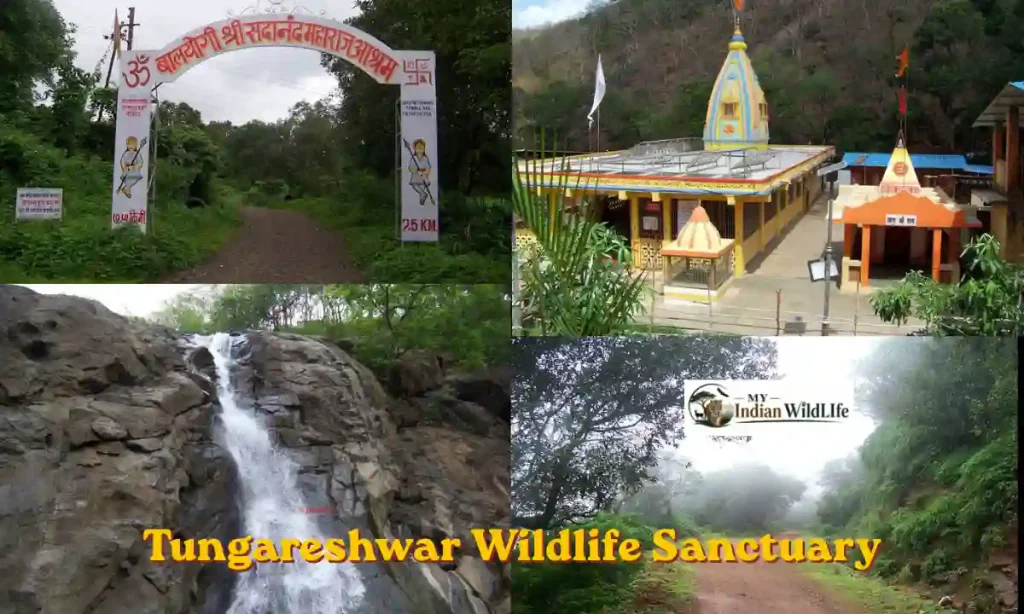
Tungareshwar Wildlife Sanctuary Location
Tungareshwar Wildlife Sanctuary lies in the vicinity of Vasai-Virar, in the Palghar district of Maharashtra. The sanctuary is found in the Tungareshwar hilly region and is easy to relate to the area of Vasai. The location of the sanctuary makes it relatively easy to access by people coming from places like Mumbai, Thane, Vasai, Virar, and other regions of Maharashtra.
The forest hills make a visible difference from the surroundings. It looks especially appealing during the rainy season due to its greenery. People usually take the road to Vasai and go further into the forest and temple region.
Tungareshwar Wildlife Sanctuary Overview
It is wise to familiarize oneself with the essential facts about the sanctuary prior to embarking on a trip. The table below gives an easy-to-understand summary of all this.
| Information | Details |
|---|---|
| Name | Tungareshwar Wildlife Sanctuary |
| Location | Vasai-Virar, Palghar, Maharashtra |
| District | Palghar |
| State | Maharashtra |
| Established | 2003 |
| Area | Approximately 85.70 sq. km |
| Landscape | Forests, Hills and Valleys |
| Main Attraction | Tungareshwar Temple |
| Popular Activities | Trekking, Nature Walks, Birdwatching and Photography |
| Famous For | Forest, Wildlife, Temple, Trekking and Seasonal Waterfalls |
| Nearest Railway Station | Vasai Road Railway Station |
| Best Time to Visit | Monsoon and Winter |
Tungareshwar Wildlife Sanctuary History
The Tungareshwar Wildlife Sanctuary was declared a protected site in 2003, taking into account the ecological significance of its forest-hill ecosystem. Before the declaration of the sanctuary, the Tungareshwar hills that surrounded the sanctuary were already recognized for their religious and environmental significance. The existence of Tungareshwar temple has been making the area an attraction place for pilgrims for a long time.
Being a protected site, the sanctuary allows preserving its forest ecosystem and the wildlife associated with it. In today’s world, the area functions as a green belt in the highly developed region of Vasai-Virar. Its forests are valuable not only for wildlife, but also for conserving the biodiversity and natural environment near a densely populated area.
Why Is Tungareshwar Wildlife Sanctuary Famous?
Tungareshwar Wildlife Sanctuary is renowned for its amalgamation of forest, hills, trekking routes, wild animals, and religious spots. It is different from those places where only the attraction of wild animals exists. Forest routes of Tungareshwar Wildlife Sanctuary make it an interesting spot for trekkers and nature lovers.
Another factor that makes this place very appealing to tourists is the monsoon season. During monsoons, rains turn the hills into a green paradise and also help to form streams and seasonal waterfalls. Another reason for the importance of this place is the presence of Tungareshwar Temple in the forest.
Tungareshwar Wildlife Sanctuary Flora and Vegetation
The sanctuary has a range of trees, shrubs, grasses, and other native vegetation which are found in the forests of the northern Western Ghats. Teak and other types of trees that are local in occurrence can be seen throughout the forests, whereas the seasonal vegetation is at its densest in the rainy season.
The rains have a significant impact on how the sanctuary looks like. Leaves, grasses and flower plants grow in patches of the landscape, thereby making the area very good for nature walks and photography. The vegetation also serves as a source of food and protection to many kinds of birds, insects, reptiles, and mammals in the sanctuary.
Wildlife in Tungareshwar Wildlife Sanctuary
Due to the wide area covered by forests, Tungareshwar Wildlife Sanctuary is home to many species of animals. While visiting the site, one may come across a variety of mammals, birds, reptiles and insects. However, visitors should not expect Tungareshwar Wildlife Sanctuary to be a conventional safari where spotting of any animal can be assured.
The forest is linked to various species of animals including leopard, wild boar, deer, langur, jungle cat and mongoose. The forest also houses various smaller creatures. It is important to note that presence of large predators makes it necessary to maintain some distance between the wildlife and people.
Mammals Found in Tungareshwar Wildlife Sanctuary
Several mammal species are adapted to the forest environment. Visitors can see wild boar, deer, langur, and other small mammals inside the forest sanctuary. There have been reports of leopards in the region, but visitors shouldn’t expect to encounter one on a regular visit.
Wild animals tend to stay away from humans and will hide in the forest. This means that visitors should try to make minimal noise and avoid chasing wild animals for taking pictures. It is advisable for visitors to observe the wild animals from a safe distance.
Wildlife in Tungareshwar Wildlife Sanctuary
Tungareshwar Wildlife Sanctuary is an important wildlife conservation area located in the Greater Mumbai region. This wildlife sanctuary is spread over an area of 85.70 sq. km and comprises different types of forest areas such as dry deciduous forests, moist deciduous forests and semi-evergreen forests which serve as home to many animals and provide them with food and shelter.
Important animals found here include leopards, wild pigs, four horned antelopes, barking deer, black napped hares, wild cats, jackals, porcupines and bonnet macaques among others. Wildlife spotting depends upon the time of the year, weather conditions and movements of the animals.
Mammals Found in Tungareshwar Wildlife Sanctuary
The forest offers ideal habitat conditions for various types of mammals. Leopard is considered to be one of the most prominent among these mammals found in the sanctuary, though it is very difficult to spot. Other mammals found in the sanctuary include wild boar, barking deer, four-horned antelope, black-naped hare, jungle cat, jackal, porcupine, and macaques.
It should be remembered by visitors that these are wild animals living in their natural environment. These animals must not be disturbed or fed in any way by the visitors. It is necessary to remain silent while observing the animals from a distance.
Birds Found in Tungareshwar Wildlife Sanctuary
Tungareshwar is also an ideal spot for those interested in bird watching. A number of birds are found in this sanctuary; some of them include peafowl, shikra, pariah kite, grey jungle fowl, red-wattled lapwing, rose-ringed parakeet, Indian koel, greater coucal, spotted owlet, and common kingfisher.
The presence of forests, open areas, and water bodies ensures that different types of habitats are created for birds. It is generally a good idea to go bird watching early in the morning when the forest is quiet.
Reptiles and Other Wildlife
The forest ecosystem within the sanctuary area is also a home for reptiles and other smaller animals. The species that can be found within the larger ecosystem of the sanctuary include various kinds of lizards, snakes, insects, and butterflies. All of these animals help create a food chain within nature. Visitors must not handle the reptiles, insects, or any unknown plants within the sanctuary. Just seeing them from a safe distance will be sufficient.
Tungareshwar Wildlife Sanctuary Flora and Vegetation
The flora of the Tungareshwar Wildlife Sanctuary is yet another big pull-factor of the area. In the official documentation of the environment, the sanctuary is said to have about 800 plant species that include trees like Kadamba, Teak, Karanj, Shisham and Palas. Karvi is one of the plants found in this sanctuary and is famous for its cycle of flowering.
The forests vary a lot during different times of the year. During the rains, the hills and forest paths get covered in fresh greens, adding to the beauty of the surroundings for walking and photography.
Tungareshwar Temple
The other place of attraction is Tungareshwar Temple that is quite famous amongst the tourists who visit the sanctuary. The temple is situated in the hills and is dedicated to Lord Shiva and thus acts as an important tourist destination as well as pilgrimage for the visitors. Tourism information provided by the government authorities also mentions the fact that the hill trek and forest landscape of the sanctuary form an integral part of the visit. Forest trekking and visiting the temple make the Tungareshwar Sanctuary unique in its own way as compared to many other wildlife sanctuaries.
Tungareshwar Wildlife Sanctuary Trekking
The trek is a common activity carried out in Tungareshwar Wildlife Sanctuary. The journey through the hilly terrain will allow you to view the flora and the valleys and the surrounding landscape. The trekking in the hills is highlighted in the compendium on tourism by the Government of India. The level of difficulty in the trek may be determined by the trekking trail and weather. In monsoons, the mud and the slippery rocks may increase the difficulty level. Hence, trekking shoes and drinking water are advised.
Waterfalls and Monsoon Beauty at Tungareshwar
During the monsoon season, the appearance of Tungareshwar takes on a totally different look. The presence of rain leads to new greenery in the hills, whereas the streams and waterfalls will be more lively than ever. The sight of the forest path being wet along with the mists covering the hills, together with the presence of water bodies, makes this season very appealing for nature enthusiasts and photographers. Monsoon travelers need to be very cautious about falling into the streams and waterfalls. Rocks may become very slippery due to the presence of rain.
Things to Do at Tungareshwar Wildlife Sanctuary
Tungareshwar provides various activities for those tourists who like spending time outdoors. Hiking, nature viewing, bird watching, and wildlife viewing are the most common ones. Photography lovers can take pictures of forest landscapes, greenery of different seasons, birds and many other natural objects. One more thing that tourists can do at Tungareshwar is visit Tungareshwar Temple together with their forest trek. Those tourists who plan a one-day visit from Mumbai area can combine hiking, nature viewing, and temple visiting into one day outdoors.
Tungareshwar Wildlife Sanctuary Timings and Entry Fee
Tungareshwar Wildlife Sanctuary is usually explored during the day since most of the things done within the sanctuary revolve around hiking and temple visits. However, the actual rules for visiting Tungareshwar Wildlife Sanctuary may depend on the instructions provided by the forest department. Hence, visitors need to familiarize themselves with the current condition of the sanctuary before embarking on their expedition. According to the compendium of Government of India Tourism, the best season to visit Tungareshwar Wildlife Sanctuary is monsoon and its area is approximately 85 sq. km.
Tungareshwar Wildlife Sanctuary Timings
It is recommended that one schedule their visit during the day and not enter or remain in the forest when it gets dark. The Tungareshwar Temple is often said to be open from about 5:00 am to 6:00 pm, but one is advised to check for local information on temple timings.
| Details | Information |
|---|---|
| Sanctuary Visit | Daytime recommended |
| Tungareshwar Temple | Approximately 5:00 AM – 6:00 PM |
| Best Time to Start Trek | Early Morning |
| Evening Visit | Finish before darkness |
| Monsoon Visit | Check local weather and access conditions |
Tungareshwar Wildlife Sanctuary Entry Fee
Unfortunately, the information about entry fees accessible on the Internet is not reliable enough for providing an accurate figure for the entry fee. In view of the fact that forest permissions and their costs may vary, it would be better for tourists to check the latest rates of fees at the entrance. What is more, it is essential to realize that visiting a temple and entering the forest are two different issues. Tourists are supposed to pay attention to the instructions at the entrance to the forest.
Best Time to Visit Tungareshwar Wildlife Sanctuary
The monsoon season is regarded as the ideal time to visit Tungareshwar Wildlife Sanctuary. According to the official Government of India tourism literature, the monsoon season is recommended to visit the sanctuary. At this time, the forests turn into lush green forests and the hills appear to be very picturesque due to the stream flow. As for trekking, the rainy weather requires special attention due to slippery paths. The winter season may be more convenient for those tourists who just want to take a walk around the forest and temples without facing the rain.
Tungareshwar Wildlife Sanctuary in Monsoon
The monsoon season is when Tungareshwar takes on a really beautiful natural look. The hills turn lush green, and there are streams as well as tiny waterfalls formed by rainwater. The cool and cloudy atmosphere makes for an interesting forest walk experience as well. However, one must be careful because of the rains since it may cause some of the trails to become difficult to navigate. Proper trekking shoes and rain cover must be worn.
Tungareshwar Wildlife Sanctuary in Winter
Winter is an ideal time for tourists who like treks with comparatively comfortable temperatures. This is because the weather is cool and trekking becomes more comfortable than in the hot season, and it can be particularly pleasant to observe birds and take photographs in the morning. Winter is a perfect time for tourists who wish to do forest treks as well as visit Tungareshwar Temple. This will give them enough time for both activities.
Tungareshwar Wildlife Sanctuary in Summer
Summer is usually hot and especially during midday. People planning to take a walk need to do that in the early hours. This includes having adequate drinking water, dressing well, and also avoiding direct exposure to the sun. It is advisable to hike in the early hours rather than late afternoons. Tourists should not attempt to take long hikes when it is extremely hot.
How to Reach Tungareshwar Wildlife Sanctuary
The Tungareshwar Wildlife Sanctuary can be accessed via the area of Vasai-Virar and can be reached by both road and transport means. According to the Government of India’s Tourism Information site, the nearest railway station for the site is Vasai which is approximately 12km away, with Mumbai being the nearest city.
Tungareshwar Wildlife Sanctuary by Train
The best railway station that can be used by the visitors who use trains is the Vasai Road Railway Station. From there, the visitors can reach the sanctuary via auto-rickshaws, taxis or buses. From the latest available route information, it has been found that the road route from Vasai Road to the sanctuary is about 26.5 km. However, the distance may vary depending upon the destination point.
Tungareshwar Wildlife Sanctuary by Road
Those who travel to the sanctuary using a car or taxi can reach it via the Vasai entrance. They will have to pass through the developed zones near Vasai before entering the forest area. A private car can make their journey easier, particularly if the visitors are families or groups carrying trekking gear. But they need to adhere to the parking rules and regulations.
Tungareshwar Wildlife Sanctuary by Bus
One could even use the local buses along with the auto-rickshaw or taxi to reach the end point of the trip. According to the available information on routes, one would need to use the bus to get to the area near Sativali Gaavdevi Mandir from Vasai Station, after which he/she needs to use a taxi. The cost of public transport is relatively less than that of a taxi. However, it will take longer to reach the destination owing to transfers.
Tungareshwar Wildlife Sanctuary by Air
The main airport used for visitors from outside the state of Maharashtra is the Chhatrapati Shivaji Maharaj International Airport in Mumbai. From here, visitors can take either a road or rail journey to reach Vasai-Virar and then move on to Tungareshwar.
Nearest Railway Station to Tungareshwar Wildlife Sanctuary
Vasai Road Railway Station is the most feasible railway station that can help to reach Tungareshwar Wildlife Sanctuary. According to the information about the tourism offered by the Government of India, Vasai is located at a distance of 12 kilometers from the sanctuary, which may be slightly higher through roads. One can hire local vehicles for getting to the sanctuary from the station. Auto rickshaws and taxis will help for the last few miles, but bus and taxi combination may be helpful for the budget tourists.
Tungareshwar Wildlife Sanctuary Distance
Tungareshwar’s distance depends upon the origin of the journey, either at the sanctuary gate or at Tungareshwar temple. For instance, one can find out that the road distance from Vasai Road to Tungareshwar sanctuary gate is about 26.5 km via one route service, whereas the road distance from Vasai Road to Tungareshwar Temple is about 11.4 km according to another route service.
| Starting Point | Approximate Distance |
|---|---|
| Vasai Road | Varies by access point |
| Vasai-Virar | Around 12–15 km to temple area |
| Mumbai | Around 50 km to sanctuary region |
| Tungareshwar Temple from Vasai Road | Around 11.4 km by road |
The distance figures may differ since the sanctuary is a vast forest complex that has several entry points and the temple is located in the sanctuary grounds.
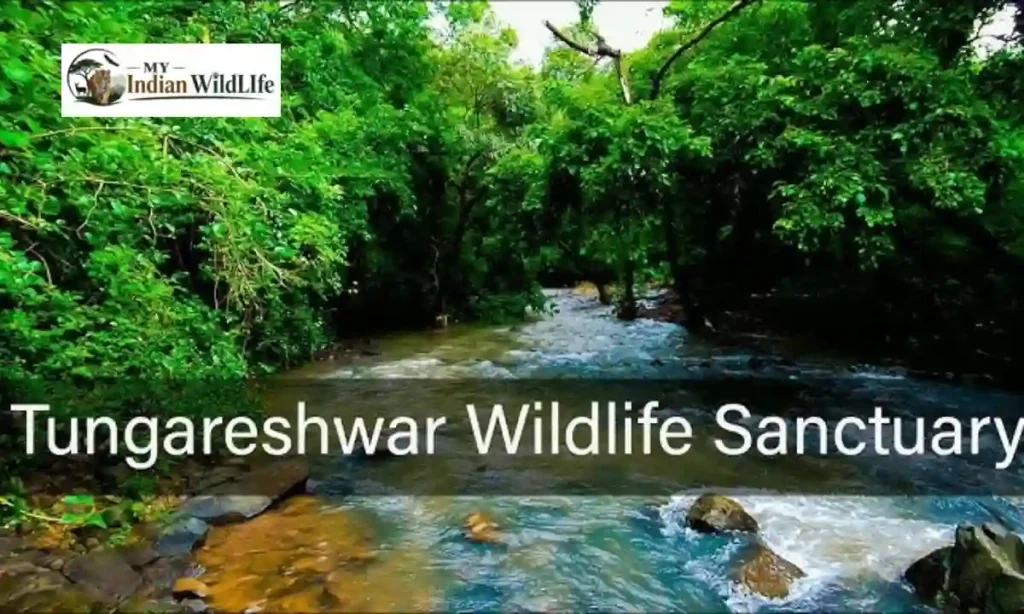
Places to Visit Near Tungareshwar Wildlife Sanctuary
There are many attractions at Tungareshwar itself, but people can also visit other places in the vicinity of Vasai-Virar. There are historical, religious, and natural spots here, making it an ideal place for a one day/weekend trip.
Tungareshwar Temple
The Tungareshwar Temple is considered to be the primary religious destination related to the sanctuary. Being the temple of Lord Shiva, the temple is located uphill and can be accessed via the forest path. The temple is said to be 3-4 kilometers away from the entrance gate.
Chinchoti Waterfall
The Chinchoti Waterfalls is an attraction during the monsoon season in the Vasai-Virar area. In the monsoon season, the scenery turns green and the waterfalls attract nature lovers. Travellers have to be careful since the rocks and the trekking path tend to be slippery when it rains heavily.
Vasai Fort
Vasai Fort is yet another significant destination in the broader area of Vasai. The ruins, the huge stone architecture, and the coastal location make it a good option for visiting along with Tungareshwar when there is enough time available.
Where to Stay Near Tungareshwar Wildlife Sanctuary?
Accommodation facilities can be sought out in Vasai-Virar and the other urban areas nearby. It might be more convenient to stay in hotels and guesthouses within the area than inside or adjacent to the forest sanctuary. Staying in the vicinity of Vasai Road would be especially convenient when visiting the sanctuary in just one day since this allows for better railway transport links. According to the tourism information provided by the Government of India, there are many places to stay in Mumbai.
Food and Restaurants Near Tungareshwar Wildlife Sanctuary
There are various choices available when it comes to food in the region of Vasai-Virar, but visitors must understand that there won’t be much availability of restaurants within the sanctuary premises. It is advisable to have your breakfast prior to the beginning of your trek and also make sure you have enough drinking water along. After completing your trip, you will be able to get food near Vasai and its surrounding regions. When it comes to trekking, avoid littering food packets, plastic water bottles, or any other trash within the forest.
Parking Facility at Tungareshwar Wildlife Sanctuary
Those traveling to the site by car should first check about the parking facilities available at the entry point before proceeding with their tour. The availability of parking may depend on seasons, holidays, and festival days, and forest management in the locality. The weekend during the rainy season becomes crowded because of the popularity of Tungareshwar with the trekkers and devotees. Only the designated spots should be used for parking.
Is Tungareshwar Wildlife Sanctuary Safe to Visit?
Tungareshwar Wildlife Sanctuary is safe for visit provided that tourists adhere to the forest rules. Tungareshwar Wildlife Sanctuary includes natural forest cover and therefore visitors need to exercise caution at all times. Monsoon season calls for even more caution owing to the fact that trekking can be quite challenging in view of the slippery trails, rocks and water present. Visitors should not go into solitary trails but complete their trip during day time.
Tungareshwar Wildlife Sanctuary Safety Rules
Since Tungareshwar is an area of protected forest, it would be necessary for tourists to preserve the nature and refrain from harassing any animal species. Throwing of plastic, food remains or any other trash while walking through the path should be strictly avoided. Tourists should also refrain from damaging vegetation, entering unauthorized zones or cutting corners through forests. It would be mandatory to adhere to any instructions issued by forest officials temporarily.
Important Things to Carry
It is also essential to carry a comfortable pair of trekking shoes for Tungareshwar. The land may get slippery and uneven during the rainy season. Water is another essential item which needs to be carried if you are going to trek for several hours.
Some other items that you can carry include a small backpack which should have rain cover, first aid kit, sun gear and a fully charged mobile phone. During the monsoon, it is also advisable to carry an extra pair of socks and rain gear.
| Item | Why It Is Useful |
|---|---|
| Trekking Shoes | Better grip on uneven trails |
| Drinking Water | Helps during trekking |
| Raincoat | Useful during monsoon |
| First-Aid Kit | For minor injuries |
| Sunscreen | Protection from sunlight |
| Cap | Useful during sunny weather |
| Mobile Phone | Communication and navigation |
| Power Bank | Keeps phone charged |
| Small Backpack | Easy to carry essentials |
Tungareshwar Wildlife Sanctuary Travel Tips
Begin your visit early in the morning, when there is ample time available for both the forest and the temple zones. It is also better from a comfort point of view for trekking, except for the monsoon period. Make sure that you check the weather conditions before making your journey, especially in the case of heavy monsoon periods. Take proper footwear, sufficient water, and be careful at places where waterfalls and streams are present.
Tungareshwar Wildlife Sanctuary for Family and Children
Although families are free to travel to Tungareshwar, they have to keep in mind the physical challenges of the trek, especially when accompanying small kids. In certain parts of the trek, one would need to hike up hills and traverse uneven ground.
This is something that families can avoid by opting for a short trip, where the main destination would be Tungareshwar Temple. Small children must always stay near an adult, and they should never be allowed to venture into the forest.
Tungareshwar Wildlife Sanctuary for Trekking Lovers
Tungareshwar is one of the preferred sites for trekking due to its hilly terrain and upward trails. The presence of scenic beauty, varying terrain, and temples makes trekking at Tungareshwar more exciting than a normal urban trek. The monsoon season presents the best scenery with lush green trees and running streams; however, it does make the trekking process more difficult. The trekker must exercise caution while wearing proper footgear.
Tungareshwar Wildlife Sanctuary for Nature and Photography Lovers
Nature enthusiasts will be able to make the most of nature trails, birds, butterflies, flora, and the season-changing scenery in the forests. There is new growth during the rainy season, and during winters, comfortable weather for long walks and photography. Photographing needs to be done without disturbing the wildlife and harming the vegetation. The visitor needs to avoid being close to the animal just for photographing purposes.
Tungareshwar Wildlife Sanctuary One-Day Trip Plan
The one day tour could involve trekking and nature walk coupled with a visit to Tungareshwar temple. By starting in the morning, people will be able to conduct all these activities before the weather changes later on.
| Time | Activity |
|---|---|
| 6:00 AM – 7:00 AM | Reach the Tungareshwar area |
| 7:00 AM – 9:30 AM | Trek and explore the forest |
| 9:30 AM – 10:30 AM | Visit Tungareshwar Temple |
| 10:30 AM – 11:30 AM | Rest and enjoy the surroundings |
| 11:30 AM – 1:00 PM | Return towards the main area |
| 1:00 PM – 2:00 PM | Lunch |
| 2:00 PM – 4:00 PM | Explore nearby attractions |
| Evening | Begin return journey |
These timings are just approximate and must be modified based on the prevailing weather conditions and the forest access situation. In the case of monsoons, it is advisable to make the timing flexible, rather than hasten through the wet terrain.
Tungareshwar Wildlife Sanctuary: Pros and Cons
Tungareshwar presents a great blend of nature, trekking, and pilgrimage sites but does have certain drawbacks too. Knowing all these aspects will assist tourists to know if this destination fits their travel needs or not.
| Pros | Cons |
|---|---|
| Beautiful forest surroundings | Trails can be uneven |
| Good destination for trekking | Monsoon makes paths slippery |
| Tungareshwar Temple nearby | Wildlife sightings are unpredictable |
| Close to Mumbai and Vasai-Virar | Facilities inside the forest are limited |
| Excellent monsoon greenery | Weekends can be crowded |
| Suitable for nature photography | Weather can change quickly |
Is Tungareshwar Wildlife Sanctuary Worth Visiting?
Indeed, Tungareshwar Wildlife Sanctuary is worth your visit if you like forests, trekking, nature photography, bird watching or spiritual sites. The greatest benefit that this place has to offer is the blend of different things that can be experienced at once. You have an opportunity to walk through the forest, enjoy the mountain scenery as well as visit Tungareshwar Temple within one trip.
Monsoons make this sanctuary especially interesting due to the appearance of green hills around the area. However, if you expect some wildlife here, your expectations may be slightly off.
Why Should You Visit Tungareshwar Wildlife Sanctuary?
A visit to Tungareshwar Wildlife Sanctuary is recommended for tourists who seek a brief getaway to nature near the area of Mumbai. The sanctuary’s wooded hills offer visitors the chance for trekking, bird-watching, and photography, while the presence of the temple enhances the significance of this tourist destination.
In particular, Tungareshwar is an interesting place for tourists who favor outdoor adventures over the usual form of tourism. If tourists are well-prepared for their visit, wear appropriate footwear and follow forest guidelines, then visiting this sanctuary will be an enjoyable experience.
Tungareshwar Wildlife Sanctuary Google Maps
The Tungareshwar Wildlife Sanctuary is situated in the Vasai-Virar area of the Palghar district in Maharashtra state. Those travelers who wish to know about the route and distance from their starting point, the use of Google Maps will be helpful in this case. The sanctuary has been marked geographically on maps as well.
Conclusion
Tungareshwar Wildlife Sanctuary is one of the major natural attractions located in the Vasai-Virar area of Maharashtra state. The forests, fauna, birds, trekking paths, waterfalls that appear during the rainy season, and the temple are the reasons why this place can be considered an interesting spot for people who love nature and devotees alike.
The rainy season is the best choice to see the most greenery and waterfalls, while winter is the season suitable for comfortable trekking. Visitors are strongly advised to get information about the availability of the location, take everything necessary, and abide by the forest rules.
Faqs
Where is Tungareshwar Wildlife Sanctuary located?
Tungareshwar Wildlife Sanctuary is located in the Vasai-Virar region of Palghar district, Maharashtra.
What is Tungareshwar Wildlife Sanctuary famous for?
It is famous for its forested hills, trekking trails, wildlife, birds, seasonal waterfalls and Tungareshwar Temple.
When was Tungareshwar Wildlife Sanctuary established?
Tungareshwar Wildlife Sanctuary was officially established in 2003.
What is the best time to visit Tungareshwar Wildlife Sanctuary?
The monsoon is particularly popular because of the lush greenery and seasonal waterfalls. Winter is also suitable for comfortable trekking.
Which railway station is nearest to Tungareshwar Wildlife Sanctuary?
Vasai Road Railway Station is the most convenient railway station for visitors travelling by train.
Is Tungareshwar Wildlife Sanctuary suitable for trekking?
Yes, Tungareshwar is popular among trekking enthusiasts because of its forested hills and uphill trails.
Can I see wildlife at Tungareshwar Wildlife Sanctuary?
Wildlife is present in the sanctuary, but sightings are unpredictable. Visitors should never approach, feed or disturb wild animals.
Is Tungareshwar Temple inside the wildlife sanctuary?
Yes, Tungareshwar Temple is situated within the forested hill landscape associated with the sanctuary.
Is Tungareshwar Wildlife Sanctuary suitable for a one-day trip?
Yes, its location near Vasai-Virar makes it suitable for a one-day nature and trekking trip.
What should I carry when visiting Tungareshwar Wildlife Sanctuary?
Carry drinking water, comfortable trekking shoes, weather-appropriate clothing, basic first-aid supplies, rain protection during monsoon and a charged mobile phone.
Also,Read About: Mount Abu Wildlife Sanctuary – Ticket Price, Timings, Safari, Animals, Best Time to Visit & How to Reach