
Ramnabagan Wildlife Sanctuary is one of the popular destinations when it comes to wildlife in Bardhaman, West Bengal. Found within the urban setting of the city, Ramnabagan Wildlife Sanctuary provides people an easy chance of enjoying their time in the midst of greenery and wildlife without having to go far off into the forest. The sanctuary is famous for housing different species of deer, various birds, thick forests, and a zoological park within the same larger region.
Contrary to the big wildlife sanctuaries where one has to go through miles and miles into the forest, Ramnabagan Wildlife Sanctuary is more accessible and easier to reach. Its serene atmosphere makes it ideal for families and kids, nature enthusiasts, photography lovers and travelers visiting Bardhaman.
Ramnabagan Wildlife Sanctuary Overview
Ramnabagan Wildlife Sanctuary lies in Bardhaman in Purba Bardhaman district of West Bengal. This forest area covers about 14 hectares of land and is one of the significant green areas in the city. Being a small forest area, it has high ecological significance because it serves as a habitat for flora and fauna such as trees, birds, mammals, reptiles, and many other forms of biodiversity.
It is also connected to Ramnabagan Zoological Park, providing another dimension to the tourism site. In the case of the natural forest area, it serves as a habitat for biodiversity while zoological park gives the opportunity to view various animal species in their enclosures.
| Particular | Details |
|---|---|
| Name | Ramnabagan Wildlife Sanctuary |
| Location | Bardhaman, West Bengal |
| District | Purba Bardhaman |
| Sanctuary Status | Wildlife Sanctuary |
| Established | 1981 |
| Area | Approximately 14 hectares |
| Famous For | Spotted Deer, Forest and Birdlife |
| Main Attraction | Wildlife and Natural Environment |
| Nearby Area | Baburbag and Golapbag |
| Nearest Railway Station | Bardhaman Railway Station |
| Best Time to Visit | October to February |
| Suitable For | Families, Nature Lovers and Wildlife Enthusiasts |
History of Ramnabagan Wildlife Sanctuary
The history of Ramnabagan is intimately associated with the development of green areas in Bardhaman. At first, the land was maintained as a forest area, and afterwards, the area was made into a formally managed forest. In 1960, the forest area was declared a reserved forest, and thereby, gaining significance for conservation. There occurred a significant change in the year 1978 as the forest area was transformed into a deer park. Initially, six spotted deer were released in the area to mark this change. Deer population was growing over time, and the place gained popularity among the people in terms of their attraction towards wildlife.
In 1981, the area was declared a Ramnabagan Wildlife Sanctuary. This is a protected area that occupies about 35 acres, which is approximately 14 hectares. Henceforth, Ramnabagan Wildlife Sanctuary became a significant urban wildlife conservation center in Bardhaman. Development of the zoological park added more significance to the destination. Presently, tourists are provided access to natural vegetation as well as wildlife parks in one and the same place, which is not true in the case of many other wildlife destinations.
Location of Ramnabagan Wildlife Sanctuary
Ramnabagan Wildlife Sanctuary is situated in the Baburbag locality of Bardhaman, which is near Golapbag. The sanctuary’s location inside the city of Bardhaman is one of the most valuable characteristics of the wildlife sanctuary as tourists do not need to go far out from the city center to get to this attraction. The proximity of Ramnabagan to the main sights of Bardhaman city also allows combining a visit to the sanctuary with visits to other sights, creating a full local sightseeing tour.
Moreover, Bardhaman is well connected with Kolkata and other major cities of the state of West Bengal through the railroad and the road system. Thus, Ramnabagan Wildlife Sanctuary can become an element of a day-long or longer tour in Purba Bardhaman district.
Geography and Natural Landscape
Ramnabagan can be viewed as a forest ecosystem that exists in a compact form in an urban area. This landscape includes tall trees, shrubs, open areas, and other areas that offer food and shelter to various forms of life. There is a striking difference between this area and the surrounding urbanized landscape of Bardhaman due to its lush greenery.
This natural landscape plays an important role ecologically speaking since many green landscapes have been lost to urban development around the growing cities. Hence, the landscape fulfills an important role of keeping the vegetation alive and offering homes to various species of animals. There are also birds, insects, reptiles, and smaller animals living in this forest landscape. The look of the sanctuary changes depending on the changes in temperature, rainfall, and humidity at different times of the year.
Flora of Ramnabagan Wildlife Sanctuary
The vegetation found in the Ramnabagan Wildlife Sanctuary is primarily of tropical deciduous variety. Some of the major trees found here include the sal and teak tree, whereas there are several other types of trees including jam, dumur, and kadbel.
The presence of bamboo in some part of the sanctuary makes the greenery more prominent. The presence of these trees provides food, shelter, and nest for the birds and other wildlife found in the forest.
Major Trees and Plants
Some of the important vegetation associated with Ramnabagan includes:
| Plant or Tree | Importance |
|---|---|
| Sal | Important deciduous forest tree |
| Teak | Valuable forest tree and part of the woodland |
| Jam | Provides food for birds and wildlife |
| Dumur | Supports local biodiversity |
| Kadbel | Native vegetation of the region |
| Bamboo | Provides dense cover and shelter |
The diversity in plants is essential in balancing the ecology of the sanctuary. In addition to this, trees play an essential role in regulating the environment through providing shade to minimize the effects of heat.
Why Is Ramnabagan’s Forest Important?
In addition to being a tourist attraction, there is much significance behind Ramnabagan. This urban forest acts as a haven for wildlife amidst the urbanization and settlement of the surroundings. Urban forests play a significant role in conserving the local flora and fauna as well as creating a connection between ecosystems amidst the urbanization and development of cities.
The trees in Ramnabagan also act as habitats for the birds and other small animals in addition to the fallen leaves acting as part of the forest. In this way, Ramnabagan not only gives tourists an opportunity to view wild animals but also learn about how wild animals can coexist in an urban environment.
Wildlife Habitat at Ramnabagan
Suitable conditions exist in the forest for many mammals, birds, and reptiles to survive. Presence of mature trees, vegetation, and water bodies helps in creating an environment that supports survival of different forms of wildlife.
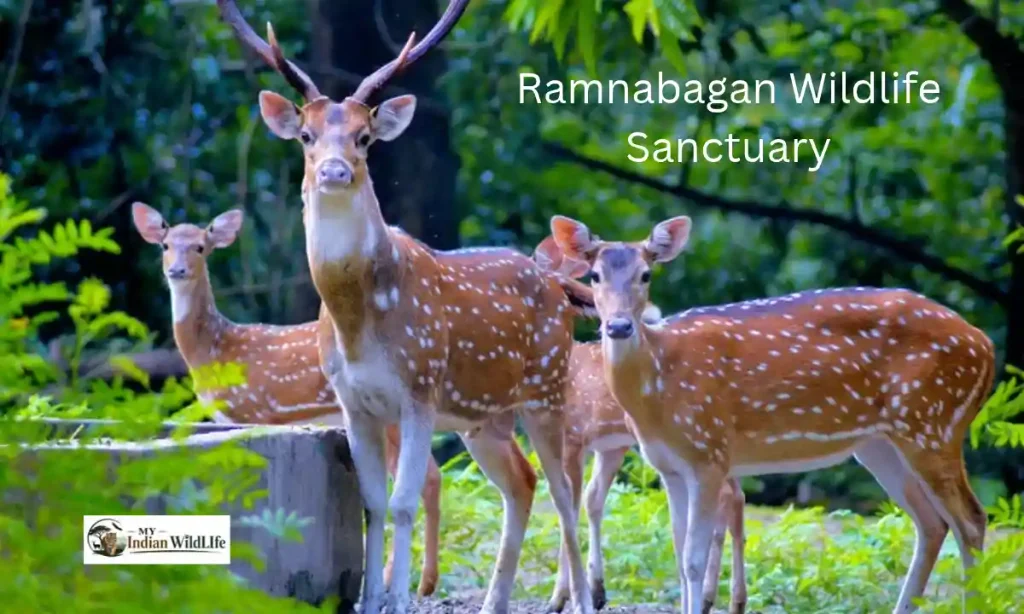
Spotted deer are known to be part of the sanctuary owing to the history of the area being a deer park. In addition to deer, visitors may spot many other types of birds and animals. Other species can be found in the adjoining zoological park.
Fauna of Ramnabagan Wildlife Sanctuary
Ramnabagan Wildlife Sanctuary has various kinds of animals, despite being a small-sized sanctuary located in an urban area. The vegetation in the sanctuary acts as a source of food and shelter for many species of animals. Unlike a big national park, where one will get a chance to view more animals due to the large area, the wildlife experience in Ramnabagan Wildlife Sanctuary may not be very extensive, but still, one gets a chance to view many interesting animals and birds.
The sanctuary is most known for deer species and the animals have been responsible for turning this place into a wildlife attraction point. Apart from the animals in the natural forest, one also gets a chance to see other animals in enclosures at the nearby zoological park.
Mammals
The spotted deer is one of the most outstanding tourist attractions at Ramnabagan. This came after the establishment of the region as a deer park and the introduction of spotted deer into the place. Gradually, the spotted deer gained recognition as part and parcel of the identity of Ramnabagan.
Other animals found in this sanctuary include barking deer. However, other mammals can be viewed within the zoological park area. It all depends on what area you visit within the sanctuary, because in some areas you might come across sambar deer, langurs, rhesus macaques, and porcupines among others.
Birds
Birds form yet another crucial element of the Ramnabagan habitat. The presence of the trees and other forms of flora offer nesting sites and sources of food for the resident birds. The rather calm nature of the forest may make it a pleasure to watch the birds.
Different types of parrots, doves, cuckoos, owls and other common woodland birds can be spotted by visitors at the forest. This will depend on the season, the weather and time of the day. Those interested in taking pictures of the birds should therefore spend time watching them.
Reptiles
Reptiles are also found in Ramnabagan. Snakes, lizards, and turtles form an important component of the ecosystem and participate in the natural food cycle. Although it is not always easy to see reptiles, their contribution to the ecological balance is very important.
The presence of reptiles shows that Ramnabagan is home to biodiversity, apart from the other animals which are easier to spot for tourists. It is not recommended for tourists to approach the reptiles in any way.
Major Wildlife Attractions
Spotted Deer
Spotted deer are some of the most iconic creatures of Ramnabagan Wildlife Sanctuary. Their connection with the place started with the formation of Ramnabagan as a deer park. Spotted deer have played a significant role in making the place one of the popular wildlife sanctuaries in Bardhaman.
With their beautiful looks and their easy availability, they can be quite pleasing to look at for children and families. They must be watched from afar and not fed or disturbed in any way.
Barking Deer
The barking deer is one more fascinating animal that can be found in the wildlife of Ramnabagan. Barking deer are small compared to other species of deer and very shy animals.
As such animals may be quite wary of humans, one cannot be guaranteed to have seen them during the trip. However, a calm attitude on the part of travelers will increase chances for wildlife observation.
Other Animals
The zoo of Ramnabagan also has some more species for people to see in the park. Some of the animals which can be seen in the park are leopard, sloth bear, crocodile, sambar deer, rhesus macaque and porcupine.
All these animals are kept in particular areas and are not considered wild animals living freely in the forests. People visiting the place must take care of the instructions given by the zoo and forest authorities.
Ramnabagan Zoological Park
Ramnabagan Zoological Park is another main tourist destination of the sanctuary. This zoological park has evolved from the deer park which was there before and has become a popular tourist destination as well. The park offers tourists an opportunity to see a variety of animals which might not come across naturally in the small forest area. Children will also have an opportunity to learn about the animals in this location.
The combination of the zoological park and the natural forest makes a visit to Ramnabagan unique from any other regular zoo and wildlife sanctuary. The tourist gets the chance to visit some managed wildlife locations and at the same time enjoy the beauty of nature.
Things to See at Ramnabagan Wildlife Sanctuary
There are some key attractions that a visitor can witness on a visit to Ramnabagan. First, the deer are the key attractions, while the vegetations in the area make it a suitable place for nature watching. Another interesting site is the zoological park where a visitor can have a good time watching the different kinds of animals from their enclosures before going around the green sanctuary.
The old trees are another thing to watch, especially for those who like plants, birds and nature photography. It is also recommended to visit in the early hours of the day for better experience.
Things to Do at Ramnabagan Wildlife Sanctuary
A trip to Ramnabagan can involve some basic natural and wildlife-related activities such as:
- Wildlife viewing
- Watching deers
- Watching birds
- Nature photography
- Wildlife photography (where allowed)
- Exploring the forest vicinity
- Zoological park visiting
- Knowing the local flora and fauna
- Being in a serene natural setting
- Combing up a visit to Bardhaman with sightseeing
Travelers need to be reminded that wildlife viewing is more rewarding if done patiently. Noisy actions, feeding or trying to lure the wildlife are disruptive to the animals themselves.
Ramnabagan Wildlife Sanctuary Timings
The visiting times of the sanctuary and its zoological centers might change depending on the official schedules as well as climatic changes. It is important for visitors to know the updated visiting hours before their trip.
It is advisable that visitors come at the cooler part of the day to get the best experience. The mornings might be good because it is comfortable and also the birds as well as other animals might be awake and lively.
Ramnabagan Wildlife Sanctuary Entry Fee
Entrance fees may vary depending on the area where visitors want to visit. Additionally, there may be different entrance fees for some areas or attractions within the sanctuary and zoological park.
It is recommended that visitors check out the latest fee schedule for entry into the attraction before making travel plans. This is especially important when traveling with a group or family. Visiting with cameras may attract extra charges.
Best Time to Visit Ramnabagan Wildlife Sanctuary
Winter time is regarded as a comfortable time to go to Ramnabagan. From October to February, people can experience comparatively pleasant weather conditions for enjoying a visit to the reserve and its other interesting places.
Cooler weather is also ideal for bird-watching and photography. Summer weather may be uncomfortable in the middle of the day because of high temperatures in West Bengal, so it would be better to go there either in the morning or evening.
Monsoon weather makes the whole area green and the forest surroundings more picturesque. Nevertheless, heavy rains can complicate walking around, so tourists should pay attention to weather conditions.
Ramnabagan Wildlife Sanctuary Location & Google Maps
Ramnabagan Wildlife Sanctuary can be found in Baburbag region, near Golapbag of Bardhaman. Travelers who want to use navigation devices can look up Ramnabagan Wildlife Sanctuary or Ramnabagan Zoological Park as the destination before embarking on their journey. The place can prove to be extremely beneficial for tourists looking for a day tour of Bardhaman since several places of interest are located in the city area itself.
How to Reach Ramnabagan Wildlife Sanctuary
The site of Ramnabagan enjoys its strategic position since it is situated in Bardhaman, which is one of the major cities in West Bengal. The site can be accessed through railway, road, and air transport services.
By Air
Travelers coming via flights have an option of using Netaji Subhash Chandra Bose International Airport which is located in Kolkata. They can take train or road from Kolkata onwards till Bardhaman. Once at Bardhaman, they have options of traveling further using local transport such as taxi, auto rickshaw or any other city transport till Ramnabagan area.
By Train
Railways make one of the easiest means of transport for accessing Bardhaman. Bardhaman Railway Station happens to be the nearest major railway station to Ramnabagan Wildlife Sanctuary. There are railway links between Bardhaman and Kolkata as well as other places in eastern India. Travelers from this railway station can hire vehicles for further travel to Baburbag and Ramnabagan.
By Road
One can reach Ramnabagan by road from Kolkata and other places in West Bengal. Bardhaman has excellent road connectivity that allows people to reach by car, taxi, or bus. After reaching Bardhaman, the journey continues via local roads, which lead to Golapbag and Baburbag, the locations of Ramnabagan. Traveling by road proves to be more suitable for families and groups having baggage.
Nearest Railway Station
The Ramnabagan Wildlife Sanctuary can be reached via Bardhaman Railway Station that is close to the sanctuary. Ramnabagan Wildlife Sanctuary is only a few kilometres away from this station.
One can choose local taxis and auto-rickshaws after arriving at the station to travel to Ramnabagan Wildlife Sanctuary. The proximity of the sanctuary to the station also makes it feasible to visit the sanctuary along with other sights in Bardhaman.
Nearest Airport
The closest major airport would be Netaji Subhas Chandra Bose International Airport, Kolkata. Those coming from far-off places in India can come by air all the way to Kolkata and then take a road or train trip to Bardhaman. It is possible to plan the trip from Kolkata to Bardhaman depending on the choice of transport medium by the traveller.
Nearest Bus Stand
Road connectivity between Bardhaman and nearby cities/towns is available through the local/regional buses run within the city. Tourists who travel to the city by means of buses can avail themselves of the local transport system to reach Baburbag and Golapbag. Since there are chances of changes in local routes and schedules, it is recommended to verify them before traveling.
Distance from Bardhaman Railway Station
Ramnabagan Wildlife Sanctuary is not very far from Bardhaman Railway Station, which makes it one of the more accessible wildlife destinations for people who come by train. The distance covered through public transport will depend on the route and the traffic situation, but it can normally be done within a short time period. Thus, it is feasible to visit Ramnabagan during a stopover at Bardhaman.
Places to Visit Near Ramnabagan Wildlife Sanctuary
The inclusion of Ramnabagan Wildlife Sanctuary in a trip is easy because the entire area of Bardhaman includes many places of historical significance, temples, parks, lakes, etc. As such, a comprehensive day/weekend trip itinerary can be made out of these places, and not only by focusing on Ramnabagan Wildlife Sanctuary.
Golapbag
Golapbag is another significant example of greenery and historical importance in Bardhaman. This name has been derived from the lush green gardens surrounding it and has always been related to the cultural and educational history of this city.
Due to its greenery, it can be considered as an excellent choice for visits immediately after visiting Ramnabagan. Historical, natural and architectural enthusiasts can add Golapbag to their itinerary while touring Bardhaman.
Krishnasayar Ecological Park
Another tourist site worth visiting in Bardhaman is Krishnasayar Ecological Park. The park revolves around the Krishnasayar water body and provides visitors with a place that combines greenery and space. It is a good place for tourists who have just been on a wildlife tour and want to relax. The area is also photogenic due to the presence of the lake and vegetation.
Curzon Gate
Curzon Gate is one of the iconic historical monuments in Bardhaman. Situated in the heart of the town, the impressive gateway is connected to the past of Bardhaman and its royal legacy. The monument is particularly interesting for those people who are into architecture and history of this place. It may be visited on a tour that will also take Ramnabagan and other sights in central Bardhaman.
Sarbamangala Temple
The Sarbamangala Temple is a notable religious destination in Bardhaman, India. It is dedicated to Goddess Sarbamangala and is significant to the followers of the religion. Religious tourism enthusiasts can visit this temple in addition to other activities. The cultural significance of the temple will offer an alternative insight into Bardhaman besides the natural sites in the area.
Where to Stay Near Ramnabagan Wildlife Sanctuary
Bardhaman provides different options for accommodation that range from budget hotels to guesthouses. Living in the city area is considered convenient since Ramnabagan and other places of interest can be accessed via local transportation.
In case of a short visit to the city, travelers have the option of staying near the railway station or in central Bardhaman. People intending to visit multiple places of interest might prefer a hotel which is connected well by road.
Travelers have to take into consideration various aspects such as parking facilities, family rooms, restaurant facilities, check-in timings and proximity to the places of interest.
Food and Restaurants Near Ramnabagan
There is a wide variety of food that visitors can try in Bardhaman. There are local eating joints and restaurants that provide Bengali food and other common dishes of North India, South India and Chinese cuisine. It is recommended to try Bengali cuisine because it is quite unique for tourists and food lovers. The most popular dishes include rice-based dishes, fish, vegetables, sweets, and local snacks.
It is recommended to take some drinking water when visiting the wild life areas, especially during warm months. It is forbidden to bring any food to the wildlife places.
Travel Tips for Visiting Ramnabagan Wildlife Sanctuary
Some preparations before visiting Ramnabagan can make your experience more pleasant. As the place is a combination of both a natural forest and a zoological park, one should adhere to the guidelines for both of these places.
Carry Essential Items
Bring with you sufficient drinking water, a small backpack for your basic requirements, and appropriate clothing. Sunglasses, hat, and sunscreen can come in handy during summer months.
Visit During Comfortable Hours
The morning and late afternoon times can be more favorable than midday. This will allow for better observation of birds and animals as well.
Maintain Silence
The wildlife is affected by noise. People are encouraged not to shout at or play loud music near the wildlife.
Do Not Feed Animals
It is possible for people to harm themselves and the animals by feeding the animals. People should not feed the animals such as deers, monkeys, birds, etc.
Follow Official Instructions
Instructions given by the forest, zoo, and security authorities must always be followed. The restricted zones must never be entered for any reason.
Wildlife Safety Rules
While Ramnabagan is not a vast wildlife spot, visitors need to ensure that they follow a responsible approach towards the animals. Animals need to be viewed only from the prescribed spots and people must never try to come close to or chase the animal.
Children visiting the park should always be under the supervision of adults. Extra caution needs to be exercised while entering the animal enclosure, water bodies, and other areas where reptiles can be found.Visitors need to refrain from dumping plastics, food wrappers and other types of waste in the forest.
Photography Rules
There are many chances available at Ramnabagan to photograph nature and the wildlife there. Deer, birds, trees and even the landscape around can be photographed in a beautiful way.
However, one needs to keep in mind that photography must be done according to the rules of the sanctuary and the zoological garden. Photography using flash and noise from the equipment must be avoided if not allowed. One must also be careful not to obstruct the pathways of other tourists.
Is Ramnabagan Wildlife Sanctuary Worth Visiting?
Yes, definitely, it is worth visiting Ramnabagan Wildlife Sanctuary, especially for tourists who are in Bardhaman and want a place with wildlife. The main strength of the place is the location in the middle of the city, where one can get a feel of the forest without venturing into distant national parks.
The sanctuary is ideal for families, children, and those who enjoy wildlife. The presence of spotted deer, birds, natural flora, and the nearby zoological park would be sufficient for a visit. But visitors must have realistic expectations from the place. Ramnabagan is only a small urban wildlife park and cannot be compared to large national parks.
Ramnabagan Wildlife Sanctuary Itinerary
A short visit can be combined with other attractions in Bardhaman to create a convenient one-day itinerary.
One-Day Bardhaman Itinerary
| Time | Activity |
|---|---|
| 7:30 AM | Arrive in Bardhaman |
| 8:00 AM | Travel towards Ramnabagan |
| 8:30 AM | Explore Ramnabagan Wildlife Sanctuary |
| 10:30 AM | Visit the zoological park |
| 12:00 PM | Lunch in Bardhaman |
| 1:30 PM | Visit Golapbag |
| 3:00 PM | Explore Krishnasayar Ecological Park |
| 5:00 PM | Visit Curzon Gate |
| 6:00 PM | Visit Sarbamangala Temple |
| 7:30 PM | Return to hotel or railway station |
However, these timings may be varied depending upon the operating hours of each attraction and the season as well.
Estimated One-Day Budget
The total cost for the visit to Ramnabagan will depend upon the place from where the visitor is coming and how they prefer their travel. The cost for a visitor from the local area will be affordable. However, for visitors from Kolkata or any other city, there would be the cost of transport.
expenses.
| Expense | Approximate Budget |
|---|---|
| Local Transport | ₹200–₹600 |
| Food | ₹300–₹700 |
| Entry and Activity Charges | Depends on current rates |
| Miscellaneous | ₹100–₹300 |
| Approximate Local Day Trip | ₹600–₹1,600 |
These values are only approximate estimates for planning purposes. The actual expenses may vary depending on mode of transportation, type of food, season, and applicable admission fees.
Pros and Cons of Visiting Ramnabagan Wildlife Sanctuary
| Pros | Cons |
|---|---|
| Located within Bardhaman | Smaller than major wildlife sanctuaries |
| Easy to combine with city sightseeing | Limited scope for safari-style wildlife viewing |
| Suitable for families | Wildlife sightings can vary |
| Deer and birdlife are major attractions | Urban surroundings are noticeable |
| Zoological park adds variety | Facilities may vary |
| Good for a short visit | Not ideal for an extended wildlife expedition |
Why Should You Visit Ramnabagan Wildlife Sanctuary?
Ramnabagan makes for a great place for people who wish to combine nature and wildlife when sightseeing in Bardhaman. The small size allows the visitors to visit the place without spending an entire day traveling through a vast forest.
This sanctuary also illustrates the need to protect green areas within the city as the trees and wildlife form an ecological sanctuary while the zoological park helps in the process of wildlife education.
People with kids can find their visit quite beneficial because of all the aforementioned factors. Travellers who are interested in exploring the less-known aspects of West Bengal can visit this sanctuary as well.
Best Places to Include With Ramnabagan
For travellers planning a complete Bardhaman trip, the following attractions can be grouped together:
| Attraction | Suitable For |
|---|---|
| Ramnabagan Wildlife Sanctuary | Wildlife and nature |
| Ramnabagan Zoological Park | Families and children |
| Golapbag | Nature and history |
| Krishnasayar Ecological Park | Relaxation and greenery |
| Curzon Gate | History and architecture |
| Sarbamangala Temple | Religious tourism |
Conclusion
Ramnabagan Wildlife Sanctuary is a unique wildlife tourism spot in Bardhaman, with the presence of natural vegetation, wildlife conservation and urban tourism. Its past as reserved forests and then as a deer park has played an important role in the development of the sanctuary we have today.
This particular destination would be most appropriate for those tourists who are interested in taking up a quick tour of nature. Spotted deer, bird life, reptiles, the trees and the zoological park make up some interesting features of the destination, along with its location in Bardhaman.
Purba Bardhaman has many things to offer tourists apart from the well-known tourism spots of West Bengal. Ramnabagan Wildlife Sanctuary could be considered as one such spot where tourists could visit along with other destinations in the area.
FAQs
Where is Ramnabagan Wildlife Sanctuary located?
Ramnabagan Wildlife Sanctuary is located in the Baburbag area near Golapbag in Bardhaman, Purba Bardhaman district, West Bengal.
What is Ramnabagan Wildlife Sanctuary famous for?
Ramnabagan Wildlife Sanctuary is mainly known for its spotted deer, natural forest, birdlife, reptiles and the adjoining zoological park.
When was Ramnabagan Wildlife Sanctuary established?
Ramnabagan was officially declared a wildlife sanctuary in 1981. Before that, the area was a reserved forest and was later developed as a deer park.
Which animals can be seen at Ramnabagan Wildlife Sanctuary?
Visitors can see spotted deer and other wildlife associated with the sanctuary. The zoological park also has several species maintained in designated enclosures.
What is the best time to visit Ramnabagan Wildlife Sanctuary?
The best time to visit is generally from October to February when the weather is more comfortable for outdoor sightseeing and wildlife observation.
How can I reach Ramnabagan Wildlife Sanctuary?
Ramnabagan can be reached by road and railway. Bardhaman Railway Station is the nearest major railway station, after which visitors can use local transport.
Is Ramnabagan Wildlife Sanctuary suitable for families?
Yes, Ramnabagan is suitable for families and children because of its wildlife, greenery and zoological park. Visitors should follow all safety and wildlife protection rules.
Is there a zoological park at Ramnabagan?
Yes, Ramnabagan Zoological Park is associated with the sanctuary and provides visitors with an opportunity to see several animals and birds in designated enclosures.
How far is Ramnabagan Wildlife Sanctuary from Bardhaman Railway Station?
Ramnabagan Wildlife Sanctuary is located only a few kilometres from Bardhaman Railway Station, making it convenient to reach by local transport.
Is Ramnabagan Wildlife Sanctuary worth visiting?
Yes, it is worth visiting for travellers interested in wildlife, nature and local tourism. Its accessible location and combination of forest, wildlife and zoological attractions make it a good addition to a Bardhaman sightseeing itinerary.
Also,Read About: Jhajjar Bachauli Wildlife Sanctuary: Location, History, Wildlife, Timings, Best Time to Visit & Travel Guide