
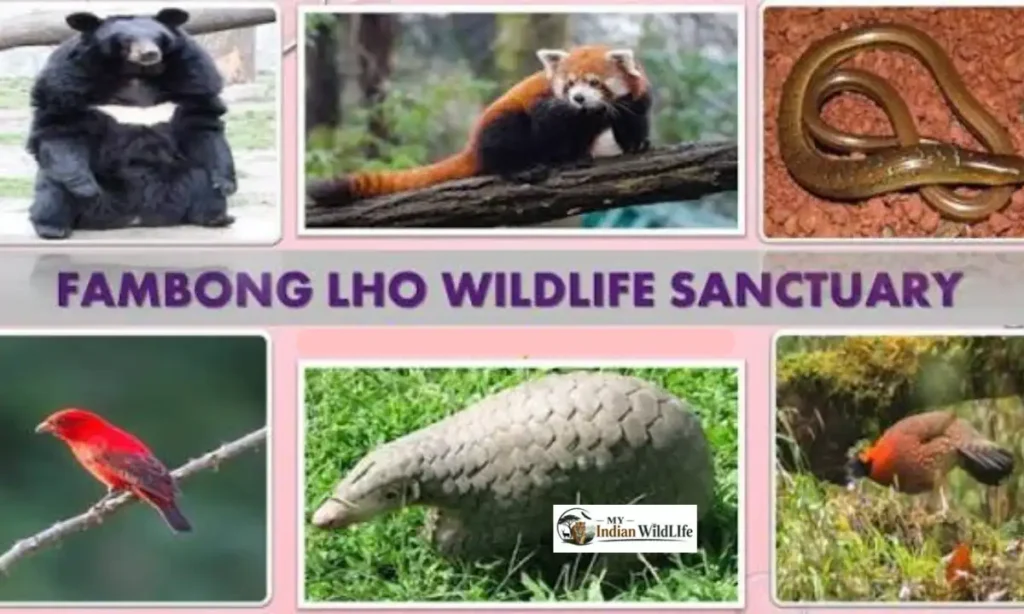
The Fambong Lho Wildlife Sanctuary is a serene wildlife sanctuary found in the Himalayan state of Sikkim. Located near the city of Gangtok, the sanctuary has a number of dense forests and mountainous terrain, making it a wonderful place with high biodiversity, serene surroundings and perfect for trekking and bird watching and photographing nature. The Fambong Lho Wildlife Sanctuary is ideal for people looking for a more natural experience in the state of Sikkim.
Extending over an area of about 51.76 square kilometers, the Fambong Lho Wildlife Sanctuary consists of varying altitudes of forests with a rich variety of flora and fauna. Some of the wildlife species commonly found in the sanctuary include the red panda, Himalayan black bear and civet, while the Himalayan orchids and rhododendron are some of the common floral species found here.
Fambong Lho Wildlife Sanctuary Overview
| Particular | Details |
|---|---|
| Name | Fambong Lho Wildlife Sanctuary |
| Location | Gangtok District, Sikkim |
| Area | Approximately 51.76 sq. km |
| Established | 1984 |
| Nearest City | Gangtok |
| Highest Point | Tinjure |
| Highest Elevation | Approximately 2,749 metres |
| Main Wildlife | Red Panda, Himalayan Black Bear, Civet and other species |
| Famous For | Wildlife, birds, orchids, rhododendrons and trekking |
| Best Time to Visit | March to May and September to December |
| Main Activities | Trekking, birdwatching, nature walks and photography |
| Entry | Forest Department permission required |
Where Is Fambong Lho Wildlife Sanctuary Located?
Location and accessibility of Fambong Lho Wildlife Sanctuary
Fambong Lho Wildlife Sanctuary can be found in Gangtok District in Sikkim which is part of the eastern Himalayas in India. Fambong Lho Wildlife Sanctuary can be found about 20 kilometers from Gangtok, which makes it one of the more accessible forests for tourists in the state capital.
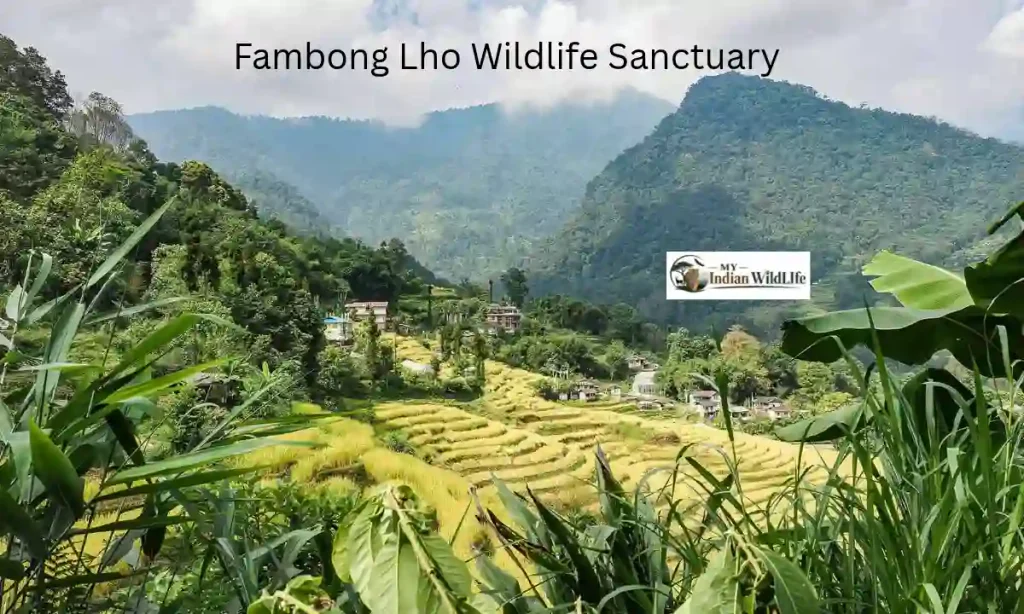
This protected forest is situated in a mountainous area and is characterized by variations in altitude. Due to these variations, there are diverse forest habitats in the area that support many species of flora and fauna in the Himalayas.
History of Fambong Lho Wildlife Sanctuary
Fambong Lho Wildlife Sanctuary is a wildlife protection area which came up in 1984. This wildlife sanctuary was created with the purpose of conserving the forests and the wildlife of this region of Sikkim and also protecting the Himalayan ecology from the increasing human intervention.
With time, Fambong Lho has become not only a conservation park but also a place of nature as well. The forests of Fambong Lho are home to many Himalayan species and its plant varieties have made it an important location for ecologists and botanists alike.
Why Is Fambong Lho Wildlife Sanctuary Famous?
Fambong Lho Wildlife Sanctuary is well known due to the presence of diverse Himalayan flora and fauna in this place. Red panda, Himalayan black bear, several species of birds, butterflies and other mammals find their home here.
Besides that, the vegetation of the sanctuary should be noted as well because of its beauty, especially the presence of orchids and rhododendrons. Fambong Lho Wildlife Sanctuary is also a favorite place for trekking lovers since it offers several mountain tracks and one way to reach Tinjure, which is the highest point of the sanctuary.
Flora of Fambong Lho Wildlife Sanctuary
Flora in Fambong Lho varies based on altitude and forms a diverse forest ecosystem of the Himalayas. One may observe a variety of flora including broad leafed trees, bamboo, ferns, shrubs and others.
The place becomes especially picturesque during the time of flowering, when rhododendrons and orchids make the forest look colorful. The entire place with its greenery and plants covered with moss resembles the Himalayas very much.
Major Trees and Plants Found Here
Some of the important vegetation associated with the sanctuary includes:
- Rhododendrons
- Wild orchids
- Bamboo
- Ferns
- Himalayan broad-leaved trees
- Mosses
- Mountain shrubs
- Various medicinal and native plants
Vegetation varies greatly according to altitude, and this is among the many reasons that make this sanctuary home to many types of animals.
Fauna of Fambong Lho Wildlife Sanctuary
Fambong Lho serves as a home to various mammals and other animals that exist in the Eastern Himalayas. Among the animals is the red panda, while others include the Himalayan black bears and civets.
It takes a lot of patience to be able to spot these animals since most of them tend to stay in their hiding places among thick forests. It will therefore not be easy to sight these animals.
Mammals Found in Fambong Lho
| Animal | Category |
|---|---|
| Red Panda | Mammal |
| Himalayan Black Bear | Mammal |
| Civet | Mammal |
| Barking Deer | Mammal |
| Goral | Mammal |
| Yellow-throated Marten | Mammal |
| Musk Deer | Mammal |
| Himalayan Striped Squirrel | Mammal |
| Royle’s Pika | Mammal |
Birds Found in Fambong Lho
Moreover, the site attracts many bird lovers. This is because there are different forest regions that provide homes for various Himalayan bird species, hence making early morning walks more enjoyable.
Some of the birds that one may come across include hill partridge, satyr tragopan, kalij pheasant, fire-tailed myzornis, flycatchers, laughingthrushes, and other forest birds. Having binoculars makes the birdwatching process easier.
Butterflies and Other Wildlife
The Fambong Lho area also houses an extensive range of butterflies and other small forest animals. The presence of flowers, streams, heavy foliage, and various elevations provides ideal surroundings for many types of butterflies.
For photography enthusiasts, these small animals are equally fascinating as big mammals. A stroll during the hotter hours of the day can offer one a chance to view butterflies in flower-rich and forest open areas.
Red Panda in Fambong Lho Wildlife Sanctuary
One of the most captivating animals that are found within Fambong Lho Wildlife Sanctuary is the red panda. The red panda is a rare species of mammal from the Himalayas that prefers cold and forest-like conditions that have lots of bamboo and dense vegetation, which make the sanctuary a perfect place for such an animal.
Even though the red panda can be found in the sanctuary, viewing it is rather difficult since it is shy, reclusive, and perfectly adapted to survive in forest-like surroundings. Visitors must never interfere with its privacy by attempting to take pictures of it; however, taking a silent walk with a professional guide will give you a chance to see the habitat of this animal.
Tinjure: Highest Point of Fambong Lho
2,749 meters above sea level is the altitude of Tinjure which forms the highest point in the Fambong Lho Wildlife Sanctuary. There is a forest observation tower in the region which allows visitors the chance of viewing the Himalayan surroundings.
The trekking to Tinjure is especially popular among those who go on treks. The trekking path takes you through mountain forests where one gets to experience varied plant life, birds, and views. Good weather conditions make trekking through the upper areas even more enjoyable for photographing.
Trekking in Fambong Lho Wildlife Sanctuary
Among the activities to enjoy the natural scenery in Fambong Lho, trekking is the most appropriate one. Rather than merely enjoying the view from a viewpoint, tourists can walk through the jungle and get an insight into the flora and fauna of the sanctuary and the mountainous region.
These trekking paths might have rough and steep paths; therefore, comfortable trekking shoes are advisable. The weather might change rapidly due to the presence of mountains. Travellers need to keep in mind certain guidelines and permitted paths.
Popular Trekking Routes
| Trekking Experience | Highlights | Difficulty |
|---|---|---|
| Tinjure Trail | Forest, mountain views and observation area | Moderate |
| Forest Nature Trail | Trees, birds and Himalayan vegetation | Easy to Moderate |
| Golitar Forest Route | Forest scenery and peaceful surroundings | Moderate |
| Upper Forest Trails | Wildlife habitat and scenic landscapes | Moderate to Difficult |
Birdwatching in Fambong Lho Wildlife Sanctuary
Bird watching is best done at Fambong Lho due to the different elevations present in the sanctuary as well as the dense Himalayan forests that are present here. Various parts of the sanctuary are home to various types of resident and migratory birds.
The early morning hours are considered ideal for bird watching since the environment is quieter and birds are very active. One must take their binoculars and keep quiet instead of getting close to the birds.
Some birds that one might find in this area include the hill partridge, satyr tragopan, kalij pheasant, fire-tailed myzornis, flycatchers, laughingthrushes, and others.
Orchids and Rhododendrons of Fambong Lho
Fambong Lho has several forests full of Himalayan flora and orchids, which make for some of the most beautiful sights that can be found here. Rhododendrons and orchids are some of the best sights in the forest during flowering time.
Rhododendrons play an essential role in the flora of the Himalayas in Sikkim, and orchids are a significant part of the floral diversity. Flowers must not be picked from the plants.
Wildlife Safari and Nature Activities
Fambong Lho differs from many other wildlife reserves in India since it is not famed for jeep safaris. Fambong Lho is much more suitable for exploring the forests, trekking, bird watching, studying nature and taking photos.
Tourists may stay in the woods for a couple of hours observing the environment around them. Since it is a wildlife reserve, any meeting with wild animals will be rather unexpected and, therefore, requires some patience and good behavior.
Wildlife Watching
Observing wildlife in Fambong Lho may take some time since the animals tend to stay well-hidden in their dense surroundings. The red panda, deer, civet and many other species of forest animals might be present, but it is not assured that you will actually see them. It is necessary to keep a safe distance from the wildlife and keep all your voices and movements low.
Birdwatching
Observing birds is one of the easiest activities to enjoy the sanctuary’s biological diversity. While the thick jungle offers the ideal home for various species of birds found in the Himalayas, the clear areas as well as flowers could lure some small birds.
Having a pair of binoculars and a zoom camera could prove helpful. Early morning walks would be especially appropriate for those who are interested in observing and photographing birds.
Nature Walks
Nature walks give visitors the opportunity to explore the forest at a relaxed pace. Rather than concentrating solely on seeing animals, travelers can study trees, orchids, rhododendrons, butterflies, birds, mosses, and different landscapes.
A nature walk led by an expert could prove especially helpful for travelers making their first visit to the forest because the local guide will point out all the flora and fauna.
Photography
There are great chances to shoot photos of wildlife, birds, scenery, and plants at Fambong Lho. The presence of foggy forests, the hills, flowers, and the birds of the Himalaya provides a lot of material for the natural photographer. The visitors must use only zoom lens as much as possible, without approaching the animals.
Mountain Viewpoints
The elevated areas near Tinjure offer chances to relish the views of the mountainous region. In clear weather, the view of the forest-covered hills as well as that of the Himalayas is breathtaking. The weather greatly influences the visibility, so clear weather mornings will ensure better conditions for photography and viewing of the mountains.
Fambong Lho Wildlife Sanctuary Timings
Fambong Lho is a protected forest, and not a normal tourism site where there are fixed hours like in an amusement park. The visit to Fambong Lho is regulated by the Forest Department, and one must check the visiting hours before visiting. Visiting early in the morning is ideal for trekking and wildlife sighting due to pleasant weather and active birds.
| Particular | Details |
|---|---|
| Visiting Time | Subject to Forest Department permission |
| Recommended Time | Morning |
| Entry | Controlled |
| Forest Permission | Required |
| Trekking | Subject to route and weather conditions |
| Best Duration | Half day to full day |
Fambong Lho Wildlife Sanctuary Entry Fee
Entrance fees and others may vary as per the prevailing rules of the Forest Department, depending upon the type of visitors and activities. As such, it becomes difficult to find an authentic and latest fee schedule through any reliable source; therefore, one must know about the fees prevailing at the time of visit. Visitors must see if there are any special fees for forest permits, guides, trekking, etc.
| Fee/Service | Current Information |
|---|---|
| Sanctuary Entry | Confirm current rate |
| Forest Permission | Required |
| Guide Fee | Confirm locally |
| Trekking Charges | Subject to current rules |
| Accommodation | Separate charges may apply |
Forest Permit and Entry Rules
To enter into the sanctuary of Fambong Lho Wildlife Sanctuary, one needs a permit from Forest Department. It is especially crucial for travelers who are going to take part in trekking and stay in the forest for an extended period.
It is essential for tourists to make all formalities prior to entering and carry identity documents. Tourists coming from abroad need to check whether there is any other form of permission required or not. It is equally important to keep in mind that permission for visiting sanctuary does not give freedom to visit each area of the sanctuary.
Best Time to Visit Fambong Lho Wildlife Sanctuary
The best period to visit Fambong Lho Wildlife Sanctuary is usually between March and May, as well as September and December. These seasons are better suited to trekking, forest walks, bird watching, and photography. The spring season, in particular, is very appealing due to the flowering of the plants.
The monsoon season in Sikkim may be rainy and can cause muddy trails in the forest. The winter season can be cold at high altitudes, but clear weather may offer stunning views of the mountains. It is recommended to review the weather conditions prior to travelling.
Fambong Lho in Spring
The months from March to May are one of the best times to visit Fambong Lho. The temperature is moderate and conducive for outdoor activities, while flower-bearing plants start lending color to the forest environment.
This time is ideal for tourists who are keen on visiting places like orchids, rhododendrons, butterflies, birds, and also nature photography. The trekking conditions are also favorable compared to monsoon.
Fambong Lho During Monsoon
There is heavy rainfall in Sikkim between June and August. Heavy rains can cause trekking paths in the forests to become slippery and muddy, whereas mists and clouds can cause poor visibility in the higher areas.
It is important for travelers to be cautious when they travel during this time. The trekking paths might get affected by the rains, while access will vary depending on the circumstances.
Fambong Lho in Winter
From September till December is yet another great time to visit. The landscape after monsoon stays green in the initial months of this season, whereas later months provide relatively cooler weather along with clear mountainous visibility.
During December the weather can become extremely cold, particularly when one is at higher altitudes. Thus warm clothes along with good trekking shoes should be taken along by the visitors.
How to Reach Fambong Lho Wildlife Sanctuary
Fambong Lho Wildlife Sanctuary is situated very close to Gangtok and it can be visited during a trip to Sikkim. Fambong Lho Wildlife Sanctuary is roughly 20 km from Gangtok and this makes the city a good base for tourists.
The best means of transport to get to the sanctuary is road transport. People can hire taxis or even vehicles from the city. This is because of the requirement of forest permission for visiting the sanctuary.
How to Reach Fambong Lho by Air
The nearest airport for Sikkim is Pakyong Airport, which is situated close to Gangtok. Due to limited flight schedules, many tourists tend to use Bagdogra Airport, situated in West Bengal, which provides better connectivity with major cities of India.
Tourists traveling from both the airports will have to travel on roadways towards Gangtok. From Gangtok, tourists can hire a taxi or other vehicles for their onward journey to the sanctuary.
How to Reach Fambong Lho by Train
Gangtok does not have a major railway station within itself. The railway station at New Jalpaiguri, West Bengal is the important railway station that most travelers use to travel to Sikkim. The travelers may get down at NJP station and then take a taxi to Gangtok. From Gangtok, one can reach the Fambong Lho site by taxi.
How to Reach Fambong Lho by Road
Roadways are the best mode of transport to reach Fambong Lho. The Gangtok area is accessible through roadways with the rest of the regions in Sikkim and West Bengal.
Travelers can take the help of a taxi from Gangtok to reach the sanctuary. As some routes in the forests may need certain permission, it is advisable to know the access route beforehand.
Distance from Gangtok to Fambong Lho Wildlife Sanctuary
Distance of Fambong Lho Wildlife Sanctuary from Gangtok is about 20 km. The exact distance and time taken to cover the distance would depend on route, climate and road conditions, along with the entry point chosen.
| Starting Point | Approximate Distance |
|---|---|
| Gangtok | About 20 km |
| Pakyong Airport | Route-dependent |
| Bagdogra Airport | Route-dependent |
| New Jalpaiguri Railway Station | Route-dependent |
Fambong Lho Wildlife Sanctuary Location and Google Maps
The Fambong Lho Wildlife Sanctuary is located in the Gangtok District of Sikkim state within the Eastern Himalaya Range. The forest reserve is located in the hilly terrain of the region and has Tinjure as its highest point.
Nearest Airport to Fambong Lho Wildlife Sanctuary
Pakyong airport is the closest airport which serves the region of Gangtok and can be conveniently used if there are flights at that time. Nonetheless, it could be easier for tourists to choose Bagdogra Airport due to its bigger number of flights. The travelers have to proceed on road from the airport and then reach Fambong Lho.
Nearest Railway Station to Fambong Lho Wildlife Sanctuary
The New Jalpaiguri Railway Station (NJP) is the chief railway station used by travelers who visit Gangtok or any other location in Sikkim. After reaching NJP, travelers have the choice to hire a taxi or opt for road transport to reach Gangtok. However, the last leg of the journey from there on is covered through local taxi.
Where to Stay Near Fambong Lho Wildlife Sanctuary
It is better to stay at Gangtok since the city offers various accommodations in the form of hotels and homestays and also restaurant services and transportation facilities. It is convenient to visit Fambong Lho along with other places from Gangtok. For tourists who are interested in spending time amidst nature, forest accommodations are available in some places such as Golitar and Tumin.
Forest Accommodation
Forest accommodation can offer a better experience for tourists who wish to stay a little longer near the sanctuary. The Government of Sikkim has pointed out a two-room log cabin at Golitar and an accommodation facility at Tumin. These places should not be considered as regular hotels. Tourists are advised to clarify their availability, reservations and permissions prior to their visit.
Hotels and Homestays in Gangtok
Accommodation-wise, it is easy for tourists to find suitable accommodation in Gangtok. There are options such as hotel stays and homestays available in the area. Being able to spend your days in Fambong Lho but sleeping in Gangtok makes it easier for tourists to explore both sites.
Food and Restaurants Near Fambong Lho
One should not hope that there will be many restaurants and food shops within the sanctuary. The ideal option is to have something to eat prior to entering the forest and having enough drinking water and snacks allowed in the forest.
The city of Gangtok provides better options to visit different restaurants where travelers can enjoy the famous Sikkimese cuisine including momos, thukpa, phagshapa and other Himalayan foods. Food should never be offered to wild animals. Waste must be taken out from the forest.
Things to Carry for Fambong Lho Wildlife Sanctuary
Touring Fambong Lho is a little more challenging as compared to other tours since it consists of forest area with weather changes on mountains.
| Item | Why It Is Useful |
|---|---|
| Trekking Shoes | Better grip on uneven trails |
| Drinking Water | Limited facilities inside the forest |
| Rain Jacket | Weather can change quickly |
| Warm Layer | Higher areas can be cold |
| Binoculars | Useful for birdwatching |
| Camera | Wildlife and landscape photography |
| Sunscreen | Protection during outdoor activities |
| Insect Repellent | Useful during forest walks |
| Basic Medicines | Helpful during trekking |
| Identity Documents | May be required for permission |
Safety Rules at Fambong Lho Wildlife Sanctuary
It is a wildlife reserve, and so the Forest Department rules will apply to the tourists. One should not attempt to chase the wildlife and go into forbidden parts of the forest. Trekking should be done along permitted paths only. One should take care while walking along steep places.
Important Visitor Guidelines
| Rule | Guideline |
|---|---|
| Follow Forest Department Instructions | Mandatory |
| Stay on Permitted Trails | Do not enter restricted areas |
| Do Not Feed Wildlife | Protect natural animal behaviour |
| Maintain Silence | Avoid disturbing birds and animals |
| Do Not Litter | Carry all waste back |
| Do Not Pick Flowers | Protect orchids and other plants |
| Maintain Distance from Animals | Never approach wildlife |
| Avoid Plastic Waste | Keep the forest clean |
| Check Weather | Important before trekking |
| Carry Required Permit | Complete entry formalities |
Travel Tips for Visiting Fambong Lho
Begin your travel early in the day to ensure that you get enough time for travel, entry formalities, and jungle exploration. The morning is also more pleasant for treks and bird watching activities.
It is important to check on the current entry process, permission from the Forest Department, guides and path conditions prior to traveling. This may change owing to several reasons such as the weather conditions, conservation works, or other issues.
In case you are going there to photograph birds or wildlife, then take your binoculars and zoom lenses with you. Do not play loud music or make any unwanted noise since it may scare off the very creatures you intend to see.
Nearby Places to Visit
Combining Fambong Lho with other famous places in Gangtok is quite possible. It will allow tourists to get more out of their stay in Sikkim by incorporating additional destinations into their itinerary.
| Nearby Place | Main Attraction |
|---|---|
| Gangtok | MG Marg, monasteries and city views |
| Rumtek Monastery | Buddhist culture and architecture |
| Tashi View Point | Himalayan mountain views |
| Enchey Monastery | Buddhist heritage |
| Ganesh Tok | Panoramic views of Gangtok |
| Hanuman Tok | Temple and scenic views |
| Himalayan Zoological Park | Himalayan wildlife |
| Tsomgo Lake | High-altitude lake |
| Nathula Pass | Himalayan border destination |
Gangtok
Fambong Lho is located near the capital city of Sikkim, Gangtok. The city is known for its landmarks such as MG Marg, monasteries, viewpoints, markets and the Himalayas. It is easy for visitors to combine their visit to Fambong Lho during the morning or day time with other Gangtok attractions.
Rumtek Monastery
The Rumtek Monastery is among the well-known Buddhist monasteries in Sikkim. The monastery is culturally significant due to its Tibetan Buddhist architecture and the serene surroundings of the mountains.
Tashi View Point
The panoramic view of the surrounding Himalayan range is a special feature of Tashi View Point. Good weather conditions give an excellent chance to appreciate the panorama.
Enchey Monastery
The Enchey Monastery is near Gangtok and is an esteemed place for Buddhists to worship in. The tranquil ambience and unique architecture of this place make it worth visiting when in Gangtok.
Himalayan Zoological Park
The Himalayan Zoological Park in Gangtok is another chance to get educated about the animals of the Himalayas. This can be done in conjunction with Fambong Lho, if someone is especially interested in the fauna of the region.
Tsomgo Lake
Tsomgo Lake is a well-known high altitude lake that lies in the state of East Sikkim. Since Tsomgo Lake is a bit more distant from Fambong Lho, it should ideally be undertaken separately.
Best Time to Visit Fambong Lho Wildlife Sanctuary
The ideal season to tour Fambong Lho Wildlife Sanctuary is usually between March and May and September and December. At this time, the weather is favorable for hiking and exploring the natural environment. The spring season is more favorable due to the colorful vegetation seen within the forest including flowering plants, orchids, and rhododendrons. The post-monsoon season will also present some greenery and beautiful scenery.
The monsoon season from June to August presents heavy rains in Sikkim and makes it difficult to walk on the trails. It might also have cloudy and misty conditions, especially in higher regions. The winter season might be cold, but on clear days, there are great views of the Himalayas.
Fambong Lho Wildlife Sanctuary in Spring
The period from March to May is considered to be among the most attractive months to visit Fambong Lho Wildlife Sanctuary. This is because the climate at this time is ideal for any outdoor activity, but the flora starts to beautify the forests with their blooming flowers. The greenery and other natural features make it perfect for photography.
It is also a favorable season for bird watching and studying butterflies. People who love forest walks can spend several hours walking on the designated tracks of the sanctuary. Nevertheless, visitors have to adhere to the guidelines of the Forest Department.
Fambong Lho Wildlife Sanctuary During Monsoon
Monsoon brings plenty of rains to the Fambong Lho area and its surroundings in Sikkim. It makes the forest very green, but rains can make it difficult for treks since there might be plenty of mud on the way and it will be rather slippery. Additionally, clouds and mist might affect the visibility.
It is necessary for travelers to get information about the weather and access to the forest before making a trip to the area. Treks can only be made when the path is safe to travel on. Waterproof clothes and shoes must be worn.
Fambong Lho Wildlife Sanctuary in Winter
September to December is also an ideal time to explore the wildlife sanctuary. The first few weeks will see the greenery provided by the monsoons and the last weeks usually witness the onset of cooler weather and more stable climatic conditions. This can make trekking and photography more enjoyable during this period.
There could be a sharp drop in temperature at higher altitudes, such as in the area of Tinjure. Visitors must be prepared with warm clothes and sturdy trekking shoes.
Food and Restaurants Near Fambong Lho Wildlife Sanctuary
Being a wildlife sanctuary, Fambong Lho does not have many places to eat in terms of restaurants and eateries. Instead, one should try to have his or her meal before visiting the forest and carrying enough water and some snacks with him or her.
The most suitable place to eat before or after visiting the forest is Gangtok. Visitors can find eateries and restaurants where they can find food that includes Indian and Sikkimese food like momos and thukpa. Feeding wildlife is strictly prohibited, and visitors are requested to carry all their food wrappings out of the forest.
Things to Carry for Fambong Lho Wildlife Sanctuary
The visitors should make adequate preparations before stepping into the sanctuary due to its mountainous nature and ever-changing climatic conditions. Appropriate trekking shoes are essential because some forest trails could be rough and inclined, especially when it rains.
It is advisable to bring along a light raincoat, warm clothing, drinking water, basic medication and sun protection. The bird watchers will find binoculars handy and the photographers can bring a camera with a zoom lens. Identification cards should also be available since they could be needed at the time of forest permissions.
Safety Rules at Fambong Lho Wildlife Sanctuary
The Fambong Lho is a sanctuary for wildlife and, therefore, it is vital for visitors to conduct themselves in an appropriate manner while they are in the area. It is not advisable to touch wild animals, chase them, offer them food or disturb them during photography sessions.
The visitors are supposed to stick to the designated paths while following the directions given by the Forest Department staff or the guides. Littering, loud music, plucking of flowers and destruction of the vegetation are discouraged.
Important Visitor Guidelines
Visitors will need the appropriate permission from the Forest Department before visiting Fambong Lho Wildlife Sanctuary. This may vary based on the type of visitor, intended activities and existing forest policies. It is important for visitors to verify all necessary permissions prior to leaving Gangtok.
It is also crucial for tourists to adhere to the sanctuary’s guidelines concerning conservation. Visitors must avoid littering by dumping plastic and food waste; they must not remove any plants and flowers from the sanctuary and must not venture into areas that are forbidden for visitors.
Travel Tips for Visiting Fambong Lho
Begin your tour early in the morning especially if you are going to trek and spend hours inside the forest. The weather is usually more comfortable in the morning and you might be able to have a good time for birdwatching too. Make sure that you check on the current weather conditions in Gangtok before heading out.
For those who like wildlife photography, it would be best to bring binoculars or lenses with a zoom instead of getting close to wild animals. It requires patience because wildlife spotting can never be predicted. A leisurely walk in the forest could offer you a better experience than a fast one.
Nearby Places to Visit
It is possible to add Fambong Lho Wildlife Sanctuary to many other tourist sites that lie within close proximity of Gangtok and East Sikkim. The tourist can decide to go to any other site in the area, depending on how much time is available and the current road and permit situation.
MG Marg, Gangtok, monasteries and views of the Himalayas are some of the tourist spots that can be found in Gangtok. Rumtek Monastery, which also attracts tourists with its architecture, is another interesting site. The tourist can consider visiting Tashi View Point, Enchey Monastery, Ganesh Tok and Hanuman Tok when visiting Gangtok.
When the tourist wants to spend more time in Sikkim, there are sites like Tsomgo Lake and Nathula Pass that can be included in their trip. These sites should not be hurriedly visited on the same schedule with Fambong Lho.
Fambong Lho Wildlife Sanctuary One-Day Itinerary
There is scope for visiting the Fambong Lho Wildlife Sanctuary in one day for tourists who have come to Gangtok as long as the necessary permission from the Forest Department has been secured prior to this. Begin the tour in the morning so as to leave enough time for the trip, entry formality, forest trekking and exploration.
The first part of the tour can be devoted to trekking in the forest and watching birds, butterflies and the vegetation in the Himalayas. After spending some time in the nature trails, tourists can proceed to Tinjure region depending upon the route which has been sanctioned for them and the condition of the trail at the moment.
Exploring the forest, trekking through different landscapes of the forest, changing vegetation and mountains is important. Photography lovers should devote extra time to taking photographs of birds, flowers and beautiful views. After forest exploration, the group should return back to Gangtok in the afternoon. They can take their lunch in Gangtok and spend the rest of the day sightseeing at a nearby place like MG Marg, Enchey Monastery or Tashi View Point.
Estimated Travel Budget for Fambong Lho Wildlife Sanctuary
The expenditure in touring Fambong Lho will depend on the means of transport, the number of people traveling, the arrangement of guides, and the accommodation along with the fees charged by the Forest Department. Travelers coming from Gangtok can easily manage the costs through sharing a taxi among fellow tourists or hiring one to tour other places as well on the same day.
The spending on food and individual needs will not be a big problem as most of the tourists will have their meals at Gangtok prior to or following the tour to the reserve.
| Expense | Approximate Cost |
|---|---|
| Local Taxi | ₹800–₹2,000+ |
| Food | ₹200–₹500 |
| Water and Snacks | ₹50–₹150 |
| Forest Entry/Permission | Confirm Current Charges |
| Guide | Confirm Locally |
| Accommodation in Gangtok | ₹1,000–₹4,000+ |
| Approximate Day Trip | ₹1,050–₹2,650+ |
The above rates are only approximate and depend upon season, kind of transport, number of people and prevailing local charges. Latest rates of the Forest Department should always be ascertained beforehand.
Is Fambong Lho Wildlife Sanctuary Worth Visiting?
Yes, visiting Fambong Lho Wildlife Sanctuary is worth considering, especially for travellers who appreciate forests, trekking, bird watching, photography and Himalayan biodiversity. Being located close to Gangtok, it is easy to include in your Sikkim tour itinerary without having to travel too far to reach a distant wildlife sanctuary.
This wildlife sanctuary is quite different from other vast national parks that people usually visit primarily to indulge in jeep safaris. Fambong Lho Wildlife Sanctuary is more appropriate for those who want to enjoy nature leisurely. The prospect of sighting rare Himalayan wildlife in conjunction with forests, orchids, rhododendrons and mountain treks makes this place an ideal destination for nature enthusiasts.
Pros and Cons of Visiting Fambong Lho Wildlife Sanctuary
There are several benefits that are provided by Fambong Lho. These include the close proximity of Fambong Lho to Gangtok, presence of diverse Himalayan plant and animal life, opportunities for trekking and good bird watching prospects. In addition, this sanctuary offers a calm atmosphere away from the popular tourist spots of Sikkim.
On the flip side, tourists must realize that wildlife sightings are not guaranteed, permission from the forest is necessary and some of the trails may be strenuous. Moreover, weather conditions may become unpredictable and there will be limited food and other tourist facilities within the sanctuary.
| Pros | Cons |
|---|---|
| Close to Gangtok | Wildlife sightings are unpredictable |
| Rich Himalayan biodiversity | Forest permission is required |
| Good for birdwatching | Some trails can be challenging |
| Red panda habitat | Limited food facilities |
| Beautiful orchids and rhododendrons | Weather can change quickly |
| Trekking opportunities | Monsoon can affect trails |
| Scenic mountain landscapes | Advance planning may be required |
Why Should You Visit Fambong Lho Wildlife Sanctuary?
Fambong Lho Wildlife Sanctuary makes a perfect destination for visitors who wish to see the wilder side of Sikkim that goes beyond typical tourism. Fambong Lho Wildlife Sanctuary has all sorts of features such as Himalayan forest, endangered species, colourful flowering plants, birds, butterflies, and trails within convenient distance from Gangtok.
Red pandas make the sanctuary unique and Tinjure adds value for those who are into trekking and nature photography. Although the visitors may not get to see any big animal, it can be satisfying enough to walk through the forest and observe the plants and birds in it.
Conclusion
Fambong Lho Wildlife Sanctuary is one of the most significant protected forests in the vicinity of Gangtok and an important biodiversity site of the Himalayas of Sikkim. The 51.76-square-kilometre sanctuary has several animals including red panda, Himalayan black bear and also other types of birds, butterflies and plants.
The ideal way for a traveller visiting the sanctuary would be through nature trails, hiking, bird watching and wildlife viewing rather than regular safari tours. Visiting the sanctuary in the proper season, getting the required permission from the Forest Department and being a responsible traveller will certainly add to the enjoyment of the trip.
Anyone planning to visit Gangtok can use Fambong Lho as a place for spending some time among the forests and mountains and enjoying the company of local flora and fauna.
Faqs
Where is Fambong Lho Wildlife Sanctuary located?
Fambong Lho Wildlife Sanctuary is located in Gangtok District, Sikkim, in the Eastern Himalayas. It is situated approximately 20 kilometres from Gangtok, making it convenient to include in a Gangtok travel itinerary.
What is Fambong Lho Wildlife Sanctuary famous for?
Fambong Lho is famous for its rich Himalayan biodiversity, red pandas, Himalayan black bears, birds, butterflies, orchids, rhododendrons and trekking trails. The sanctuary is particularly popular among nature lovers and birdwatchers.
What animals can be seen in Fambong Lho Wildlife Sanctuary?
The sanctuary provides habitat for animals such as red panda, Himalayan black bear, civet, barking deer, goral, musk deer and yellow-throated marten. However, wildlife sightings are unpredictable because the animals live freely in their natural forest habitat.
Can tourists see red pandas in Fambong Lho Wildlife Sanctuary?
Red pandas are found in Fambong Lho, but seeing one is not guaranteed. They are shy and elusive animals that usually remain in dense forest areas. Visitors should maintain a safe distance and never attempt to approach or disturb them.
Is permission required to visit Fambong Lho Wildlife Sanctuary?
Yes, Forest Department permission is required to enter the sanctuary. Visitors should confirm the latest permission procedure, applicable charges and permitted areas before planning their trip.
What is the best time to visit Fambong Lho Wildlife Sanctuary?
The best time to visit is generally March to May and September to December. These periods provide more suitable conditions for trekking, birdwatching, photography and exploring the forest compared with the heavy monsoon season.
How far is Fambong Lho Wildlife Sanctuary from Gangtok?
Fambong Lho Wildlife Sanctuary is approximately 20 kilometres from Gangtok. The actual travel time can vary depending on the route, weather and road conditions.
Is trekking available at Fambong Lho Wildlife Sanctuary?
Yes, trekking and nature walks are among the main activities at Fambong Lho. The Tinjure area, which represents the highest point of the sanctuary, is particularly interesting for travellers who enjoy hiking and Himalayan forest landscapes.
Where should I stay while visiting Fambong Lho Wildlife Sanctuary?
Gangtok is the most convenient place to stay because it offers hotels, homestays, restaurants and transportation facilities. Limited forest accommodation is also associated with areas such as Golitar and Tumin, subject to availability and permission.
What should I carry while visiting Fambong Lho Wildlife Sanctuary?
Visitors should carry comfortable trekking shoes, drinking water, rain protection, warm clothing, basic medicines and identification documents. Binoculars are useful for birdwatching, while a camera with a zoom lens is recommended for wildlife photography.
Also,Read About: Ramnabagan Wildlife Sanctuary: History, Timings, Entry Fee, Wildlife, How to Reach & Travel Guide