

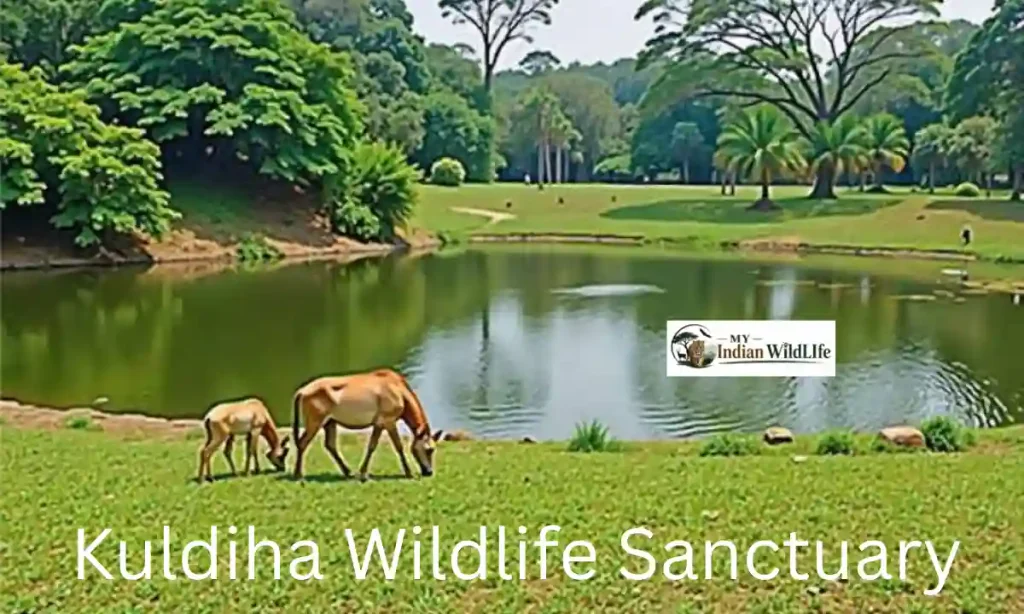
Kuldiha Wildlife Sanctuary is one of the key wildlife spots in Odisha state situated in Balasore district. This sanctuary is encircled by dense forests, hilly regions and scenic natural settings. Kuldiha Wildlife Sanctuary is famous for its wide range of flora and fauna. It is an ideal natural habitat of elephants, gaur, leopards, deer, giant squirrels and many species of birds. It has links with the larger forest ecosystem of Eastern Ghats and the Similipal landscape region. Quiet environs of the sanctuary make it an ideal choice for nature lovers, wildlife enthusiasts, photographers and forest tourists.
What Is Kuldiha Wildlife Sanctuary?
Kuldiha Wildlife Sanctuary is a reserved forest area located in the northern part of the state of Odisha in India which was created for the protection of the rich forest area and its wildlife. Kuldiha Wildlife Sanctuary has an area of about 272.75 square kilometres and includes the hills, valleys, rivers, and deciduous forest. The region consists of different mammals, reptiles and birds. Along with the rich wildlife, Kuldiha is also known for its scenic beauty and forest environment.
Why Is Kuldiha Wildlife Sanctuary Famous?
The Kuldiha Wildlife Sanctuary is mainly popular for its vast forest ecosystem and elephants. Due to dense Sal forests and the presence of hills, there exists a natural habitat for many wild animals and birds in the sanctuary. There are many tourists who love visiting less congested wildlife sanctuaries and this wildlife sanctuary is one of the most suitable places for them. The closeness of the Kuldiha Wildlife Sanctuary to places like Panchalingeswar and Rissia Dam is another advantage for travelers.
Kuldiha Wildlife Sanctuary Location & Google Maps
The Kuldiha Wildlife Sanctuary is located in the Balasore district of Odisha. It exists in a hilly and forest-covered area and constitutes an essential component of the wildlife habitat of the area. The sanctuary can be accessed by road from Balasore as well as the neighboring towns. The location of the sanctuary also ensures that tourists can visit other sites of northern Odisha on the same tour.
Kuldiha Wildlife Sanctuary Area
The Kuldiha Wildlife Sanctuary spans about 272.75 square kilometres in area. The sanctuary has within its territory areas that consist of forests, hills, valleys, water resources, and grasslands. The diverse terrain facilitates the presence of a wide variety of flora and fauna. The forests here are also used as elephant corridors by these animals and others.
History of Kuldiha Wildlife Sanctuary
The Kuldiha Wildlife Sanctuary was designated in 1984 to conserve the forest ecosystem and fauna found within it. The area had gained reputation before being classified into a protected area for its dense forests and natural wealth. The sanctuary contributed greatly towards conserving the area and protecting it from the rising human threat. The Kuldiha sanctuary continues to remain an important protected forest in the state of Odisha.

Geography and Natural Landscape of Kuldiha
The Kuldiha Wildlife Sanctuary is famous for its hilly and wooded area, valleys, streams and sources of water found naturally. The environment offers a conducive place for several types of mammals, birds and reptiles to reside. The forest is exceptionally beautiful during and after the rainy season because the vegetation becomes green and the streams become busy. The hilly and wooded environment also offers good hiding and movement places for wild animals.
Flora of Kuldiha Wildlife Sanctuary
The vegetation in the Kuldiha Wildlife Sanctuary comprises primarily of tropical deciduous forests, with the Sal tree constituting an integral part of the forest vegetation. Shrubs, grasses, and medicinal plants make the rest of the flora in the area. The forests green up during the rains with plenty of natural vegetation. The diverse vegetation serves as the source of sustenance for the herbivores and birds in the sanctuary.
Wildlife and Animals in Kuldiha Wildlife Sanctuary
Various wildlife can be found in Kuldiha Wildlife Sanctuary owing to the huge area covered with forests and different kinds of terrain. Some examples of the wildlife that one will find here include elephants, gaurs, leopards, sambar deer, barking deer, and giant squirrels. Reptiles and other animals can be encountered while touring in the sanctuary. There is no certainty that you will find wildlife while visiting the sanctuary.
Asian Elephant
Asian Elephants are among the most famous animals that can be seen in the forest habitat of Kuldiha. The vast woods of the sanctuary create ample area for the movement and feeding of elephant herds. Their existence is an integral aspect of the wildlife of the region. It must be remembered to keep a safe distance from elephants while on a wildlife expedition.
Leopard
The leopard is another of the important carnivores found at the sanctuary. They are shy and tend to stay away from human contact, and hence seeing one needs some luck and patience. They require forests for their habitat, and early mornings and evenings are the best times for spotting wild animals.
Gaur
The gaur of India, otherwise referred to as the bison, is yet another impressive herbivorous animal in the area. These huge creatures feed on the forest and grass lands. Gaur are very strong animals in the wild and should not be approached closely. Viewing the gaur in its natural habitat in the forest is one of the most exciting parts of wildlife safaris.
Sambar Deer
The Sambar deer are the key herbivores of the Kuldiha environment. These can be sighted near forest clearings as well as areas near water bodies. The role of these animals is also significant as far as the food chain is concerned since these are the prey for large carnivores. Deer may be easier to spot in the quieter periods of the day.
Barking Deer
The barking deer, also called the muntjac, is another small variety of deer that lives in the forests. The animal is timid and can easily blend into the forest vegetation when frightened. Although it is not easy to see it, it increases the diversity of the wildlife at the sanctuary.
Giant Squirrel
Another unique animal that one may find in the Kuldiha forests is the giant squirrel. This animal spends most of its time in the treetops and can occasionally be observed jumping from branch to branch. Its existence in the sanctuary proves the significance of mature woodlands in the area.
Birds Found in Kuldiha Wildlife Sanctuary
Kuldiha Wildlife Sanctuary is also an ideal place for those who enjoy watching birds since the woods, rivers, and natural water sources available here offer a favorable environment for various species of birds. Tourists can observe not only resident birds but also migratory birds while touring the forest. It is particularly interesting to watch birds early in the morning.
Kuldiha Wildlife Sanctuary Safari
Wildlife Safari is one of the most suitable activities for knowing the surroundings of Kuldiha Wildlife Sanctuary. The safari track covers forest area where people get a chance to see trees, birds and wildlife from a distance. Elephants, deer, gaurs, and many other species may be sighted according to seasons and availability. The instructions of the forest officials must be followed and visitors should keep quiet throughout the safari.
Kuldiha Wildlife Sanctuary Safari Timings
The time of safari and entry into the forest can change depending on the time of the year, the weather and the guidelines set out by the forest department. Early morning and late afternoon are usually the ideal times to explore the wildlife as the animals are most active during this time of day.
Kuldiha Wildlife Sanctuary Ticket Price
Kuldiha entrance and safari costs may vary depending on whether it is an individual visit or otherwise, the vehicle to be used, the tour guide, and even the Forest Department regulations. As such, visitors ought to confirm the updated cost since they change from time to time.
| Visitor Service | Charges |
|---|---|
| Sanctuary Entry | Subject to current forest rules |
| Safari/Vehicle | Depends on vehicle and permit |
| Guide | May be charged separately |
| Camera | Charges may apply |
| Other Activities | Depends on the activity |
Best Time to Visit Kuldiha Wildlife Sanctuary
The perfect season to visit the Kuldiha Wildlife Sanctuary is the dry and cold season when the trails in the forests are much easier to trek, as well as spotting the wildlife becomes easier. The season between October and March becomes a perfect choice for a comfortable trip. The monsoon season makes everything greener and the streams start flowing in the forests.
Things to Do in Kuldiha Wildlife Sanctuary
There are various nature-related activities for visitors at Kuldiha Wildlife Sanctuary. Some of the most common activities include wildlife viewing, bird watching, and taking photographs. One can also visit the nearby hills and forests to enjoy some peaceful nature away from the hustle and bustle of tourists.
Wildlife Safari
The safari gives tourists the opportunity to experience the forest while searching for elephants, deers, gaurs and other wild animals. Never move outside the given vehicle or listen to the guidelines of the certified guide.
Bird Watching
The different types of forests in the sanctuary make it a good place for bird watching. Having binoculars and keeping quiet will help.
Nature Walk
If allowed by the forest department, a walk through nature allows one to have an up close view of the flora, insects, birds, and other aspects of the forest ecosystem.
Wildlife Photography
Kuldiha provides the perfect setting for capturing pictures of the forest, birds, wildlife and landscape. Visitors must ensure that they do not get too close to the animals while taking photos.
Trekking and Forest Exploration
The natural landscape of hills around makes the place suitable for those who love walking through natural trails and forests. It is important that such an activity is done through proper routes.
How to Reach Kuldiha Wildlife Sanctuary
Kuldiha Wildlife Sanctuary is situated in Balasore district of Orissa and is accessible by road from Balasore town and other nearby cities. Travelers can opt for road, rail or air travel according to their place of origin. The last leg of the journey is usually done by road as Kuldiha Wildlife Sanctuary is located in a forest area.
By Road
One of the easiest methods for getting to the Kuldiha Wildlife Sanctuary is through road travel. The closest city to the sanctuary is Balasore, which offers good road connectivity to the rest of Odisha. It is possible to get to the sanctuary from Balasore through a hired taxi or a personal vehicle.
By Train
The closest railway station nearby is the Balasore Railway Station. It is linked with many cities through the South Eastern Railway route. Travellers will have to catch a taxi or any other mode of transportation from this point onward to reach their destination point, Kuldiha.
By Air
The nearest international airport is Biju Patnaik International Airport in Bhubaneswar. This airport lies quite a distance away from the wildlife sanctuary as compared to Balasore. The visitors arriving here through this route will have to take their transportation via road. Private taxi or hired transport could be availed for this purpose.
Kuldiha Wildlife Sanctuary Distance
The location of Kuldiha Wildlife Sanctuary varies with the point of origin and the forest entrance selected by the traveler. The nearest town that travelers can use as a reference point is Balasore. Travelers will have to plan ahead for the trip since the travel time may depend on the condition of the roads and the entrance chosen.
| Starting Point | Approximate Distance |
|---|---|
| Balasore | Around 30–40 km |
| Bhubaneswar | Around 200 km |
| Kolkata | Around 250–300 km |
| Panchalingeswar | Around 20–30 km |
Places to Visit Near Kuldiha Wildlife Sanctuary
There are various places to visit around Kuldiha which can also be used along with a safari trip. One can visit temples, dams, beaches, or any other place according to the time available.
Panchalingeswar Temple
Panchalengeswar is a well-known spiritual and nature destination close to Kuldiha. This temple is related to five Shiva Lingas, and there is a beautiful forest around this temple. This hill area makes Panchalengeswar a famous tourist spot for tourists coming to northern Odisha.
Rissia Dam
The Rissia Dam is famous for its serene ambiance and natural beauty. The reservoir and the green area around it form a serene environment that appeals to visitors who are nature lovers and photographers. It can be part of a larger Kuldiha tour.
Similipal National Park
The Similipal is an essential wildlife destination of the state of Odisha. It is famous for its vast forests and wildlife. This is a separate sanctuary; however, for visitors who would like to visit the north of Odisha, this site could be included along with others as well.
Chandipur Beach
The uniqueness of Chandipur lies in its special tidal conditions where water retreats from the shore to a large extent at low tide. Chandipur beach provides a totally new experience from that of the forest at Kuldiha and is another addition to the north Odisha tour itinerary.
Nilagiri
Nilagiri is an old town close to the Kuldiha area and is famous for its cultural and natural environment. Tourists are able to visit the nearby places while moving from the sanctuary to other places of Balasore district.
Where to Stay Near Kuldiha Wildlife Sanctuary
There are many options available when it comes to accommodation both within and outside Balasore, Nilagiri and other tourist spots. This decision will depend upon the amount you have in your pocket and proximity to the forest. In case of a wildlife tour, it would be better to stay in such accommodation that enables early departure for sightseeing.
Food and Dining Near Kuldiha Wildlife Sanctuary
It becomes easier for travelers to have access to their food requirements within towns near to forests as compared to food within forests. One may come across Odisha style food, Indian cuisine, snacks and refreshments within Balasore and other nearby areas. It is recommended that one should also carry water bottles and some snacks with themselves.
Best Places for Photography in Kuldiha
Nature photography is quite possible at Kuldiha Wildlife Sanctuary. Thick Sal forests, hillocks, water bodies, forest tracks, and clearings give good backgrounds for photographs. Wildlife photography may also be rewarding if there is presence of wildlife on approved routes of safaris. The use of telephoto lenses or binoculars is beneficial as one must keep oneself away from wild animals.
Travel Tips for Visiting Kuldiha Wildlife Sanctuary
- Make sure that your visit falls within the cool season for comfort.
- Make sure to start early if you want to watch birds and other wildlife in a more relaxed manner.
- Bring drinking water and necessary things with you.
- Choose comfortable and proper clothing and footwear.
- Bring binoculars if you wish to watch birds.
- Do not make any noise while in the forest.
- Do not chase or feed wild animals.
- Follow the instructions of the forest officials and guides.
- Bring along a camera, but do not use flash near wildlife.
- Ensure that entry into the forest and safari are sorted out before setting out.
Rules and Guidelines for Visitors
As Kuldiha Wildlife Sanctuary is an environmentally protected area, it becomes necessary for the tourists to adhere to the norms and regulations of the forest and wildlife conservation. The tourists need to walk along the permitted paths and must not carry away any flora or fauna from the sanctuary. The plastic waste needs to be disposed of properly, and the birds and animals should not be disturbed by tourists.
Is Kuldiha Wildlife Sanctuary Safe for Tourists?
The Kuldiha Wildlife Sanctuary can be visited by the visitors if they strictly follow the guidance of the forest officials and stay within the approved area. Animals like elephants and leopards are not predictable in nature, so keeping a safe distance from them becomes extremely necessary. The visitors should never get off their approved vehicle and try to reach out to the wild animals.
Kuldiha Wildlife Sanctuary for Families and Children
Kuldiha is an interesting place for those families who like nature and wildlife. The children will get to know about forests, birds, animals and the concept of conservation while being amidst nature. Parents need to ensure that the children remain close to them and make sure that they understand the importance of keeping silent and respecting wildlife.
Best Time Duration for a Kuldiha Wildlife Sanctuary Trip
For those visitors who wish to spend most of their time in the sanctuary and some attractions in the vicinity, then a one day visit could be ideal. Longer visits, which extend over two days, would allow combining the attractions of Kuldiha with Panchalingeswar and/or Rissia Dam, amongst others, near Balasore. For tourists who enjoy photography and bird watching, longer visits suit them better.
One-Day Itinerary for Kuldiha Wildlife Sanctuary
| Time | Activity |
|---|---|
| Early Morning | Start the journey towards Kuldiha |
| Morning | Forest visit or permitted safari |
| Late Morning | Breakfast and rest |
| Afternoon | Visit a nearby attraction |
| Evening | Nature sightseeing and return |
| Night | Stay in a nearby town or continue the journey |
Conclusion
Kuldiha Wildlife Sanctuary offers an interesting place for tourists seeking to enjoy the flora and fauna of Odisha outside popular tourist spots. The sanctuary’s wide variety of wildlife, dense foliage, hills, and tranquil environment make it a good place for nature enthusiasts, photographers, and family groups. Visiting Kuldiha could be even more interesting by combining visits to neighboring sites such as Panchalingeswar and Rissia Dam. For a hassle-free visit, one needs to ensure that all the latest regulations are known before traveling.
Faqs
Where is Kuldiha Wildlife Sanctuary located?
Kuldiha Wildlife Sanctuary is located in Balasore district of Odisha. It lies in a forested and hilly region and can be reached conveniently from Balasore by road.
What is Kuldiha Wildlife Sanctuary famous for?
Kuldiha is famous for its dense forests, elephants, gaurs, leopards, deer, giant squirrels and diverse birdlife. Its peaceful natural environment also attracts wildlife enthusiasts and nature lovers.
What animals are found in Kuldiha Wildlife Sanctuary?
The sanctuary is home to several species, including Asian elephants, leopards, gaurs, sambar deer, barking deer and giant squirrels. Various birds, reptiles and smaller forest animals are also found in the region.
What is the ticket price for Kuldiha Wildlife Sanctuary?
The entry and safari charges can vary depending on the type of visit, vehicle, guide and current forest-department rules. Visitors should confirm the latest applicable charges before their trip.
What are the timings of Kuldiha Wildlife Sanctuary?
Forest and safari timings can change according to the season, weather and local regulations. Morning and afternoon are generally preferred periods for wildlife activities, but visitors should confirm the current timings before visiting.
What is the best time to visit Kuldiha Wildlife Sanctuary?
The best period is generally October to March, when the weather is more comfortable and forest exploration is easier. The monsoon season offers lush greenery but may affect accessibility.
How can I reach Kuldiha Wildlife Sanctuary?
Kuldiha can be reached by road from Balasore. Balasore Railway Station is a convenient railhead, while visitors arriving by air can travel from Bhubaneswar and continue by road.
Is a safari available at Kuldiha Wildlife Sanctuary?
Wildlife and forest exploration activities may be available subject to forest-department permissions, designated routes and seasonal regulations. Visitors should check the current safari and permit arrangements before travelling.
Which places can I visit near Kuldiha Wildlife Sanctuary?
Popular attractions that can be included in a Kuldiha trip include Panchalingeswar Temple, Rissia Dam, Nilagiri, Similipal and Chandipur Beach.
How many days are enough to explore Kuldiha Wildlife Sanctuary?
One day can be enough for a short sanctuary visit, while two days are better for a relaxed trip covering Kuldiha and nearby attractions. Photography and bird-watching enthusiasts may prefer a longer stay.
Also:Read About: Wildlife Sanctuaries in India: Complete State-Wise List and Travel Guide