
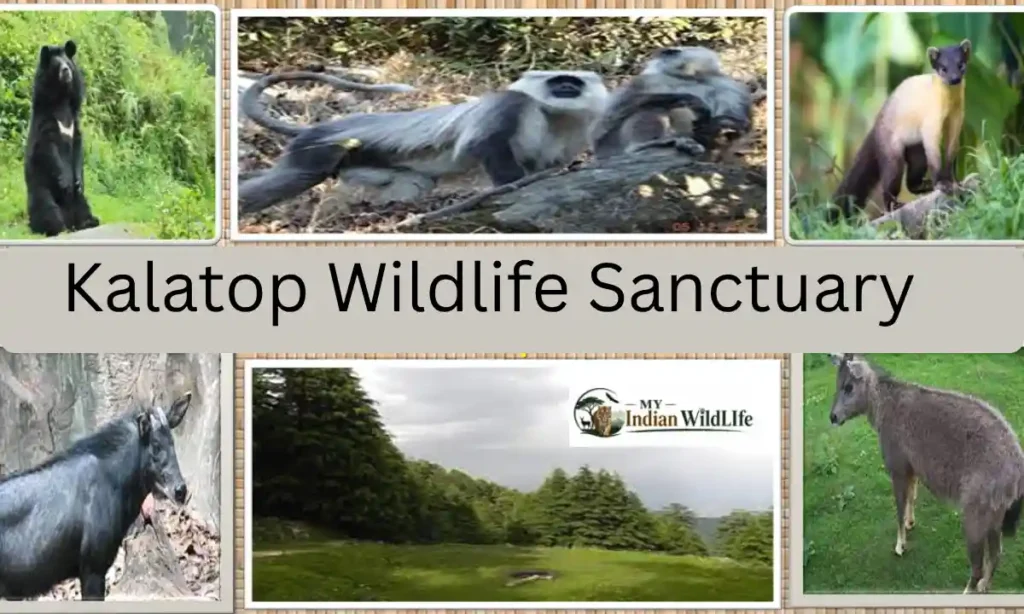
Kalatop Wildlife Sanctuary is a stunning natural spot in Himachal Pradesh that is situated close to the town of Dalhousie and Khajjiar. With lush forests of deodar, pine, and oak trees surrounding it, Kalatop Wildlife Sanctuary is a place famous for its tranquil environment and magnificent scenery of the mountains as well as the diversity of flora and fauna in the Himalayas region. People may walk on the forest paths, go trekking, observe various birds and spend some time in nature without being surrounded by numerous tourists.
Kalatop Wildlife Sanctuary Overview
Kalatop Wildlife Sanctuary is a gorgeous protected forest located in the Chamba district of Himachal Pradesh, close to Dalhousie and Khajjiar hill stations that are quite popular among tourists. It is surrounded by the deodar, pine, and oak trees and provides visitors with an attractive Himalayan landscape. Its natural scenery, pleasant climate of mountains and variety of flora and fauna attracts many nature lovers.
Kalatop-Khajjiar Wildlife Sanctuary is another name of the place and it is famous for the forest tracks and amazing wildlife of Himalayas. You can go on a hike, do some bird watching and take some great photos there. The proximity of Kalatop Wildlife Sanctuary to Dalhousie allows you easily combine your visit to the place with sightseeing of other attractions.
Kalatop Wildlife Sanctuary Ticket Price
The charge for entry into Kalatop Wildlife Sanctuary may vary according to the kind of tourist and also according to the regulations that exist in the forest. These charges may vary from time to time due to revision by the concerned authorities. It is therefore important to know the exact charges on entry into the park.
| Visitor Type | Ticket Price |
|---|---|
| Indian Visitors | Check at Entry |
| Foreign Visitors | Check at Entry |
| Children | Check at Entry |
| Vehicle Charges | As Applicable |
| Forest/Entry Permit | As Applicable |
The sanctuary lies within the protected zone of the forest, and therefore visitors need to take note of the instructions given by the forest department about how to enter and where they can drive. In case you are visiting during the peak season or winter, it is particularly important that you know about the entry conditions.
Kalatop Wildlife Sanctuary Entry Fee for Indians
The Indian tourists will have to make payment for entry/forest permits in accordance with the prevailing guidelines for the sanctuary. It is important to ascertain the amount payable from the local sources as there could be variations in the cost and process of entry. Tourists should carry their identity card along during their journey to the sanctuary.
Kalatop Wildlife Sanctuary Entry Fee for Foreign Tourists
Tourists from foreign nations are also allowed to visit the Kalatop Wildlife Sanctuary; however, it is advisable that they first confirm the necessary entry procedures before accessing the sanctuary. This will prevent any problems when visiting the sanctuary by having your identification and confirming entry fees.
Kalatop Wildlife Sanctuary Vehicle Charges
For those who travel using their own personal cars or taxis, one must ascertain whether there are any fees to use a particular vehicle on the road or to park in certain parts. Some roads within the forest reserve or the surroundings may have rules where some vehicles are not allowed past certain points.
Kalatop Wildlife Sanctuary Timings
Kalatop Wildlife Sanctuary is mostly visited during daytime as it would be easier for one to indulge in activities like hiking, walking and viewing while on day trips. A common suggested visiting time for Kalatop Wildlife Sanctuary is from 7:00 AM till 6:00 PM; however, weather and forest conditions may influence it.
| Day | Opening Time | Closing Time |
|---|---|---|
| Monday | 7:00 AM | 6:00 PM |
| Tuesday | 7:00 AM | 6:00 PM |
| Wednesday | 7:00 AM | 6:00 PM |
| Thursday | 7:00 AM | 6:00 PM |
| Friday | 7:00 AM | 6:00 PM |
| Saturday | 7:00 AM | 6:00 PM |
| Sunday | 7:00 AM | 6:00 PM |
Tourists intending to visit the sanctuary are advised to begin their tour early in the morning. In winter, the fall of snow and the state of the roads might become a problem; therefore, it is advisable to check them before embarking on the journey.
Kalatop Wildlife Sanctuary Opening and Closing Time
It has been observed that the opening time of Kalatop Wildlife Sanctuary is 7:00 AM, whereas the closing time is 6:00 PM. The tourists are advised not to visit during late hours because of the fact that trekking needs a lot of light.
Best Time of Day to Visit Kalatop Wildlife Sanctuary
Morning time would be one of the most ideal times for visiting Kalatop Wildlife Sanctuary since the environment would be very tranquil and also the weather at this hour would not be too hot. It would also look very serene during this time due to the morning light.
Where Is Kalatop Wildlife Sanctuary Located?
Kalatop Wildlife Sanctuary is located in the district of Chamba in Himachal Pradesh within the western Himalayas. It is located close to Dalhousie and Khajjiar, which happen to be two most visited places in the vicinity. The sanctuary is covered by dense forests and mountainous topography providing tourists an authentic experience of the Himalayan wilderness.
Location of the wildlife sanctuary forms the main strength for the tourists visiting this place. Tourists staying in Dalhousie have no difficulty in visiting Kalatop in conjunction with Khajjiar and other places in the proximity. The route journeying through the mountains and dense forests provides tourists a lot of enjoyment as well.
Kalatop Wildlife Sanctuary Location
The reserve is situated in a hilly and forested area between the two famous tourist sites, Dalhousie and Khajjiar. The elevated location makes the place cool and gives visitors the chance to immerse themselves in the dense Himalayan forest without moving too far away from the major tourist centers.
Kalatop is one of those places that attracts tourists willing to spend some time in nature. As opposed to the noisy commercial tourist spots, the reserve provides tourists with an opportunity to have a walk in the forest in a quiet environment.
Kalatop Wildlife Sanctuary Distance
Kalatop Wildlife Sanctuary can be easily reached close to Dalhousie and Khajjiar. The distance from different nearby locations is approximately as follows:
| Starting Point | Distance |
|---|---|
| Dalhousie | 10–13 km |
| Khajjiar | Around 12 km |
| Chamba | Around 25 km |
However, the distance would vary based on the route chosen to reach the destination and the starting point from where the trip commences. There is also a possibility that the mountainous roads might add time to the travel schedule.
Distance from Dalhousie to Kalatop Wildlife Sanctuary
Kalatop Wildlife Sanctuary lies about 10–13 km away from Dalhousie, thus one of the nearest places to visit when taking a vacation at Dalhousie. The journey takes you through the beautiful Himalayan landscapes and forested areas, thus enjoying the view all through. Kalatop can easily be visited in a half-day trip from Dalhousie. In case you wish to explore the entire area further, you could always include the nearby Khajjiar among others.
Distance from Khajjiar to Kalatop Wildlife Sanctuary
The Kalatop area lies near the Khajjiar region, which makes it easy for travelers to visit both places in one trip. The journey from one region to another will provide scenic views of the forest and mountain regions. Travelers from Dalhousie may make a visit to Dalhousie-Kalatop-Khajjiar together in one trip, based on time availability and road conditions.
Distance from Chamba to Kalatop Wildlife Sanctuary
Chamba is another significant site that is situated even farther away from Kalatop than Dalhousie. The visitors who have travelled to Chamba are also able to visit the park while travelling through Chamba and Dalhousie areas. Due to the terrain of the roads being mountainous, it would be wise to give oneself some extra time when travelling there instead of travelling solely based on the map’s measurement of the distance.
Kalatop Wildlife Sanctuary History
The Kalatop Wildlife Sanctuary came into being in the year 1958 to protect the forests and wildlife of that region. The conservation forest area is vital for the preservation of the Himalayan ecosystem of the areas of Dalhousie and Khajjiar. With the passage of time, Kalatop turned out to be a place of tourism along with being a conservation site. Dense forests of Kalatop serve as the natural habitat for various Himalayan fauna and birds.
Area and Altitude of Kalatop Wildlife Sanctuary
Kalatop Wildlife Sanctuary has an area coverage of approximately 17.17 square kilometres. Kalatop Wildlife Sanctuary is located in a high altitude Himalayan zone with Kalatop having an approximate altitude of 2,500 metres above sea level.
This high altitude leads to the formation of the cool climate of this place along with its vegetation. There are dense deodar, pine, and oak forests in most parts of the sanctuary amidst the mountains.
Why Is Kalatop Wildlife Sanctuary Famous?
The Kalatop Wildlife Sanctuary is renowned for its dense Himalayan forests, wild animals, birds, trekking trails and its scenic and natural environment. Dense deodar forests are some of the highlights of the sanctuary that make the environment refreshing.
The Kalatop Wildlife Sanctuary is also well-known for its animal life, including the Himalayan black bear, leopard, barking deer, goral and serow, even though there is no guarantee of seeing wildlife in their natural environment. It is located very close to Dalhousie and Khajjiar, which makes it even more popular among tourists.
Quick Highlights of Kalatop Wildlife Sanctuary
- Dense forest of deodars and pine trees
- Wildlife of the Himalayas along with birds
- Mountainous landscape
- Walking and trekking facilities
- Famous destination close to Dalhousie
- Near to Khajjiar
- Good place for nature photography
- Quiet place away from crowded places
Wildlife Found in Kalatop Wildlife Sanctuary
The Kalatop Wildlife Sanctuary is famous for the diversity of flora and fauna that exists in the area. This sanctuary also includes a dense forest ecosystem, and is home to various mammals and birds that thrive in the hilly regions of Himachal Pradesh. With the presence of thick forests and quiet surroundings, this place is perfect for tourists who want to get to know about the wildlife in the area.
Tourists visiting this sanctuary can see different types of wildlife depending on the season, weather, and luck. It is better to explore the sanctuary in the natural surroundings of the forest without making much noise.
Animals Found in Kalatop Wildlife Sanctuary
The Kalatop forest is home to many animals from the Himalayas. The wildlife that exists in the Kalatop sanctuary consists of Himalayan black bears, leopards, barking deer, goral and serow. There are smaller animals present as well in the forest environment, even though they are hard to find due to the dense vegetation.
Himalayan Black Bear
Kalatop is famous for several unique animals, one of which is the Himalayan black bear. In general, these animals prefer to live in the forests in the mountains and are active at specific times of the year. It is essential not to try to approach and feed any wildlife that you encounter.
Leopard
Leopards are some of the larger carnivores in the Himalayan forest ecosystem of Kalatop. Leopards are naturally shy animals and tend to stay away from humans; thus, it is not easy to come across them. The existence of leopards speaks volumes about the significance of the sanctuary.
Barking Deer
Also called muntjac, barking deer is a species of deer that can be seen in the forests of Himalayan regions. It is characterized by an interesting feature of making a bark-like sound as an alarm call. Given its timid behavior, one could hear its presence before seeing it.
Goral
Goral is an animal found in the mountains and has the ability to live even in rugged areas of the Himalayas. Goral is quite adept at surviving in hilly regions and is hard to find on common tourist trails.
Serow
Himalayan serow is yet another fascinating animal belonging to the mammalian family that inhabits the mountains. The animals like rugged forests and have a powerful built and can easily navigate through rough terrains.
Birds Found in Kalatop Wildlife Sanctuary
Another interesting spot for watching birds is Kalatop due to its diversified habitats in the Himalayas. The sanctuary has many types of resident and migratory birds, such as different species of pheasants.
Himalayan Monal
Himalayan monal is one of the most gorgeous species of birds found in the Himalayan area. The colorful feathers make the bird attractive for bird lovers. Finding the bird in the forest can prove to be an unforgettable experience.
Kalij Pheasant
Another bird that exists in the forests of the Himalayas is the Kalij pheasant. It remains near the vegetation and may not be easily spotted due to its cautious nature.
Koklass Pheasant
Koklass Pheasant is a bird from the forests of the Himalayas, favoring mountainous woodlands. Morning walks may prove to be fun for bird watchers who would like to see different birds.
Other Himalayan Birds
Apart from the pheasants and monals, there are other small forest birds that you can come across. The forest provides the best environment for various species of birds to thrive.
Flora of Kalatop Wildlife Sanctuary
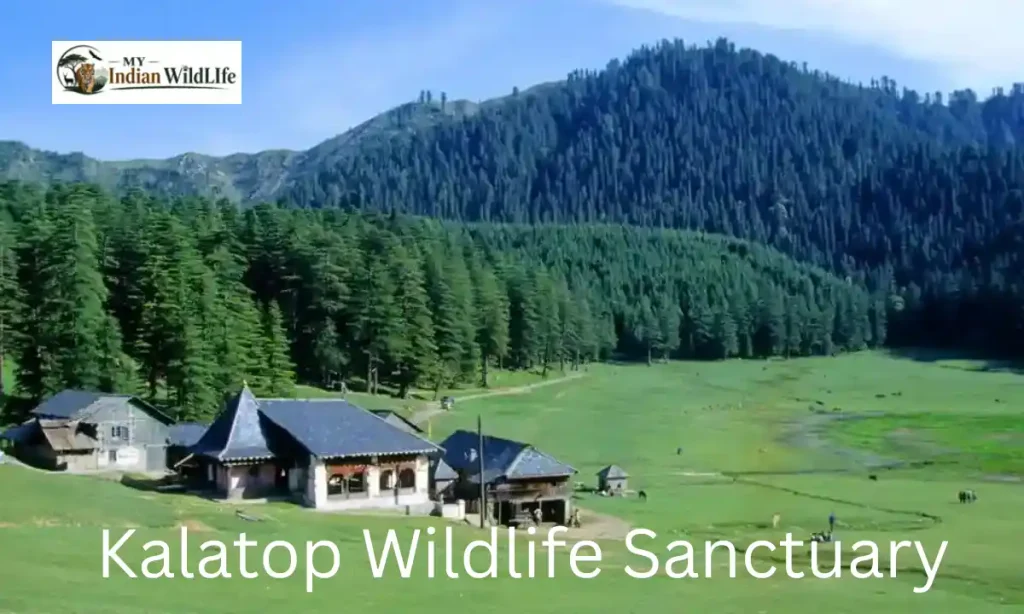
Vegetation in Kalatop Wildlife Sanctuary is among the most fascinating things about this place. The area boasts extensive stretches of lush Himalayan forests consisting mainly of deodar, pine, and oak trees. Besides providing a picturesque setting, these trees offer habitat and food to the animals inhabiting this sanctuary.
Deodar trees make the sanctuary look distinctively Himalayan, but there are other types of vegetation adding to the diversity of the forest environment. At different times of the year, visitors can admire various kinds of flowers and vegetation in the forest area.
Things to Do in Kalatop Wildlife Sanctuary
There are a number of activities that are offered at Kalatop Wildlife Sanctuary for those who love nature and outdoor adventures. The sanctuary should not be viewed as a place where visitors go just to see some sights.
Wildlife Spotting
Wildlife viewing is another major attraction at Kalatop. One can stroll around the forest and search for birds and wildlife in their natural habitat. But wildlife is erratic and not always visible, hence sightings are not assured.
Trekking
Forest trekking is perhaps the finest option for exploring Kalatop. These treks involve going through thick vegetation and offer the chance to enjoy the serene beauty of the Himalayas. Travellers must pick routes based on their physical fitness and the climate.
Bird Watching
Bird watching is an interesting experience at Kalatop due to the diversity of birds found in the sanctuary. Having binoculars can assist in bird watching without disrupting the birds. Early morning hours usually suit bird watching.
Nature Walk
Taking a nature walk in the serene deodar forests offers an opportunity for people to breathe in the cool mountain air. This is a perfect alternative for tourists who do not wish to take the long walk up the mountains but still want to visit the sanctuary.
Nature Photography
Due to the presence of tall trees, mountains, forest trails and fauna, Kalatop is a great place for photography. People can take pictures of the landscape, plants and birds without harming the wildlife.
Exploring Deodar Forests
A walk through the thick deodar forests is one of the highlights of the Kalatop visit. The presence of the tall trees, cool climate, and nature give it an entirely relaxing feeling, distinguishing it from regular tourist destinations.
Kalatop Wildlife Sanctuary Trek
One of the activities most tourists love doing when visiting Kalatop Wildlife Sanctuary is hiking. This allows one to get closer to the natural surroundings of the sanctuary because there are forest trails through which one will be walking. Hiking can either be easy or difficult depending on the weather conditions and the terrain of the selected route. It is advised that one wear trekking shoes and carries some drinking water.
Popular Trekking Trails in Kalatop
There are various walking and trekking trails available within the area of Kalatop and Khajjiar. There are some that are easier in terms of difficulty and some that have an uneven and sloping surface. It is advisable that before embarking on any trekking expedition, one inquires about the status of the trail. Sometimes the snow, rains, and falling of trees make the path in the forest inaccessible.
Kalatop Trekking Distance and Duration
The length of time and the distance of the Kalatop hike is influenced by the actual route that is chosen. The short hiking trail takes a few hours, while the long ones to the adjoining attractions take more time.
Tourists must never rush their hike and must ensure they have enough time to reach back before it gets dark. It is advised to allot extra time for winter season due to snowy and slippery hiking trails.
Tips for Kalatop Trek
- Use comfortable and sturdy trekking shoes.
- Bring enough water to drink.
- Have a light jacket with you.
- Begin the trek early in the morning.
- Never trek alone in new forest areas.
- Never scare away birds or animals in the wild.
- Always use the trekking paths if provided.
- Never leave waste anywhere; take it back with you.
- Make sure of weather and road conditions before the trek.
Kalatop Wildlife Sanctuary Safari
Kalatop is famous more for its forest and wildlife sanctuary than as a traditional safari destination. Travellers come to Kalatop and spend time there on the basis of forest roads and nature walks rather than with expectations of going on a jeep safari, as seen in some national parks.
Wildlife like black bear and leopards could be there in the larger forest environment, but sighting them would be something unpredictable. Travellers must take all precautions provided by the forest authorities and should not try to enter restricted areas to spot wild animals.
Best Time to Visit Kalatop Wildlife Sanctuary
The ideal season to visit Kalatop will depend on what you wish to do during your visit. Visiting during the months of April to July will provide you with great weather to see the place. Similarly, visiting from the months of September to November is also advisable.
The winter season at this place is quite cold and snowy, and hence, it provides a very beautiful view of the place. However, due to the snow and rough roads, winter visitors should keep abreast with the local situation.
How to Reach Kalatop Wildlife Sanctuary
Kalatop Wildlife Sanctuary enjoys an easy access to Dalhousie and many other important tourist places in the state of Himachal Pradesh through road transport facilities. As the sanctuary is situated in the mountain forest area, therefore, the final leg of the trip consists of the winding roads through hills. Tourists find it convenient to travel by car from Dalhousie.
The closest railway station is Pathankot, and the nearby airport that provides connectivity is Kangra Airport. Tourists who arrive either by trains or airplanes can reach Dalhousie and then proceed towards Kalatop Wildlife Sanctuary through roads.
How to Reach Kalatop by Road
The easiest means to travel to Kalatop Wildlife Sanctuary is by road. Dalhousie is considered as the base of the tourists who wish to visit the sanctuary and taxis and private cars are mostly used for the trip. This route is very pleasant as it offers scenic views of the hills.
People travelling from Chamba, Pathankot, or any other place in Himachal Pradesh can also travel to Kalatop by road. But during monsoon or winter season, it may not be easy due to rain, landslides, or snowfall in the area.
How to Reach Kalatop by Train
Pathankot Railway Station is the nearest railway station to reach Kalatop and Dalhousie. There is rail link connectivity from Pathankot railway station to many major cities of north India.
Once you arrive at Pathankot, then you may take a taxi or any other road transport available to reach Dalhousie. Once you reach Dalhousie, Kalatop Wildlife Sanctuary is easily accessible by road transport.
How to Reach Kalatop by Air
The most convenient airport in proximity of Dalhousie that is generally used for arriving in this area is Kangra Airport located at Gaggal near Dharamshala. Upon arriving at this airport, travelers have to cover the rest of their journey via road route from the airport to Dalhousie and Kalatop. Since the trip from the airport to Kalatop takes a long route through the mountains, travelers should make proper plans for this journey.
Dalhousie to Kalatop Wildlife Sanctuary
The distance between Dalhousie and Kalatop Wildlife Sanctuary is around 10-13 km, thus making it an ideal spot for a day excursion. The drive through the mountainous terrain in the Himalayas is quite fascinating and features beautiful sights of mountains and lush forested landscapes.
The tourists staying in Dalhousie have enough time to spend a few hours at Kalatop as well as visit other sites. Early start helps to explore the sanctuary without being rushed during the walk.
Khajjiar to Kalatop Wildlife Sanctuary
The locations of Kalatop and Khajjiar are quite close to one another; therefore, many tourists prefer to make a trip covering both these sites in one day. The path from one site to another goes through mountain forest and gives an option to enjoy two natural beauties in one day in the Dalhousie area. If you plan to make a one-day sightseeing trip, you can go from Kalatop to Khajjiar. It will take some time that is dependent on various factors.
Places to Visit Near Kalatop Wildlife Sanctuary
There are various places around Kalatop Wildlife Sanctuary that attract tourists. The fact that it is situated close to Dalhousie and Khajjiar allows one to enjoy their visit to the sanctuary while visiting other tourist spots.
Khajjiar Lake
Khajjiar Lake is one of the most popular sites near Kalatop and it is situated in the lovely Khajjiar valley. The lake is situated amidst green meadows and dense forest, thus making it a wonderful Himalayan sight to behold.
The tourists visiting Khajjiar have the opportunity to appreciate their surroundings, capture photos and explore the Khajjiar meadow. The site is especially interesting during warm months when the surrounding becomes lush and green.
Dainkund Peak
One of the famous vantage points near Dalhousie is Dainkund Peak, which is noted for the magnificent mountain scenery. On your way to Dainkund Peak, you can enjoy spectacular valley and Himalayan landscapes. There are also trekking fans who find Dainkund attractive. Remember to inquire about the weather forecast before you decide to go up.
Panchpula
Panchpula is an idyllic tourist destination in Dalhousie which features waterfalls, streams, and lush greenery. It is a serene destination where you can spend some time amidst nature and is included in the sightseeing tour of Dalhousie. The location acquires additional charm in the period of the monsoon season due to increased water flow and the greenery of the region.
Bara Pathar
Bara Pathar is a beautiful spot which is located in Dalhousie area. The place is surrounded by forest and mountainous areas, making it an ideal spot for a halt during a local trip. One can enjoy the natural scenery and can visit other spots in and around Dalhousie and Kalatop.
Chamera Lake
Chamera Lake is a stunning reservoir situated in proximity to the city of Chamba. This beautiful natural spot can be used by tourists for photographic sessions and sightseeing due to the tranquil blue waters and mountain scenery surrounding the lake. This attraction is further away from the Kalatop compared to others; hence, tourists planning on visiting this place need to allocate more traveling time.
Dalhousie
Dalhousie serves as the base point for sightseeing at Kalatop Wildlife Sanctuary. This hill station is famous for its colonial architecture, churches, views, markets, and beautiful mountainous settings. The tourists can spend time in Dalhousie and use it as a day or half-day trip destination to Kalatop Wildlife Sanctuary.
Kalatop Wildlife Sanctuary Weather
The climate in Kalatop is always relatively cool due to its elevated position in the Himalayas. The summers are mild, while the winters are harsh and may even experience snowfall. There is rain in monsoon months, which can lead to slippery conditions.
| Season | Weather | Experience |
|---|---|---|
| Summer | Pleasant and cool | Good for sightseeing and trekking |
| Monsoon | Rainy and misty | Green landscapes but slippery trails |
| Autumn | Cool and comfortable | Good for nature activities |
| Winter | Very cold | Snowfall and winter scenery |
Climate change is very sudden in the mountains. Travelers are advised to consult the weather report before heading to their destination, especially when trekking or visiting during winter.
Where to Stay Near Kalatop Wildlife Sanctuary
There are not many accommodation facilities available in the forest region of Kalatop, thus tourists usually prefer accommodations in Dalhousie and Khajjiar as these places provide a greater variety of hotels, resorts and other forms of stay.
The location of Dalhousie makes it more convenient for tourists looking for several tourist spots in the region. On the other hand, Khajjiar might suit those who like a serene environment surrounded by grasslands and forests.
Food and Restaurants Near Kalatop Wildlife Sanctuary
The availability of food is limited within the sanctuary since it is a forest area. It is advisable that visitors make proper food arrangements before embarking on any trip to the sanctuary, rather than relying on food stalls within the forest area.
Dalhousie and Khajjiar have a number of restaurants, cafes and hotels where visitors can enjoy North Indian, Himachali and other foods available. Carrying some snacks and water during a hike could be helpful as well, although waste must be disposed of properly.
Facilities at Kalatop Wildlife Sanctuary
Kalatop is basically a natural habitat that is preserved; therefore, the visitors cannot expect facilities that can be seen in other recreational sites. Access facilities and facilities relating to the forest can be expected at certain points of the forest area.
It would be wise for the visitors to keep certain essentials like water bottles, medicines, power bank, and comfortable clothing. It is important to listen to the instructions provided by the forest authorities.
Rules and Regulations at Kalatop Wildlife Sanctuary
The Kalatop Wildlife Sanctuary is an eco-friendly reserve, therefore, the guidelines concerning environmental protection will have to be observed by tourists visiting the sanctuary. The primary aim of these guidelines is to ensure that the natural habitat remains intact while at the same time allowing tourists to use the sanctuary.
Tourists must use designated paths, do not disturb the wildlife, and obey the commands given by forest officials. Activities that may hurt wildlife or destroy plant life must be avoided.
Things to Carry for Kalatop Wildlife Sanctuary
Being equipped with all the necessary items will definitely help in making the trip to Kalatop easier, particularly if one intends to stay for a few hours in the area walking around the forest. The weather changes quite abruptly at times in the mountains, and it would be wise to be ready for that.
Essential Things to Carry
- Comfortable trekking shoes or comfortable walking shoes
- Water bottle
- Snacks
- Warm jacket or additional clothes
- Raincoat or an umbrella in rainy seasons
- Sunglasses and sunscreen lotion
- Your personal medicines
- Small first-aid box
- A pair of binoculars for bird watching
- Your camera or mobile phone
- Power bank
- Identification proof
- Backpack
Do not carry plastic items unnecessarily, and ensure that you do not leave any waste behind.
Kalatop Wildlife Sanctuary Travel Tips
Some prior preparation can make your Kalatop experience much easier and more pleasant. As Kalatop sanctuary is located in a mountainous forest region, you need to prepare depending on the season and not consider it as a usual place for sightseeing.
- Take the visit during daytime.
- Begin your visit early in the morning.
- Wear comfortable shoes as per the trails.
- Plan your trip considering the weather in Dalhousie.
- Bring drinking water.
- Maintain cleanliness around.
- Do not feed animals.
- Avoid making noise inside the forest.
- Follow the trails and instructions given locally.
- Do not pluck flowers and destroy plants.
- Make sure to have enough time for returning back.
- Take into account the condition of roads during monsoon and snowfall.
- Know the entrance fee and other charges for visiting there.
- Get a guide locally if you do not know about forest trails.
Is Kalatop Wildlife Sanctuary Worth Visiting?
Indeed, visiting Kalatop Wildlife Sanctuary is an excellent option if you like spending time in forests, mountains, observing wildlife and going on treks amidst natural surroundings. The sanctuary’s dense deodar forests and cool Himalayan climate offer a unique experience compared to the hustle-bustle of the markets and common sightseeing spots of Dalhousie.
Moreover, Kalatop is ideal for tourists willing to spend a couple of hours wandering around in nature instead of visiting an overcrowded tourist spot. Another advantage of the sanctuary is its proximity to Dalhousie and Khajjiar.
What should be kept in mind is that Kalatop is a wildlife sanctuary, which means that visiting Kalatop does not guarantee any sightings of animals. However, there is always a chance of meeting some birds or other animals.
Kalatop Wildlife Sanctuary Google Map
Embedding Google Map in your article will facilitate readers in understanding the precise location of the sanctuary as well as in planning the route from places such as Dalhousie, Khajjiar or Chamba.
In your article, the most appropriate position to include the Google Map would be right after the section titled “How to Reach Kalatop Wildlife Sanctuary.” Alternatively, you may even retain the title and embed the Google Map under it.
Conclusion
Kalatop Wildlife Sanctuary is one of the serene destinations in the Himalayan range, where one can find forests, scenic views, wild animals, and treks all together in one place. This convenient location near Dalhousie and Khajjiar helps one easily include it in his Himachali itinerary.
For those who want to indulge in activities such as bird watching, nature photography, or simple walks in the forests, Kalatop is a delightful experience. In order to enjoy this sanctuary to the fullest, one must visit the sanctuary at the right weather and follow all the guidelines.
Faqs
What is the entry fee for Kalatop Wildlife Sanctuary?
The applicable entry or forest permit fee can change according to current regulations. Visitors should confirm the latest charges at the entry point before visiting.
What are the timings of Kalatop Wildlife Sanctuary?
The commonly listed visiting hours are 7:00 AM to 6:00 PM. Visitors should preferably explore the sanctuary during daylight hours.
How far is Kalatop Wildlife Sanctuary from Dalhousie?
Kalatop Wildlife Sanctuary is approximately 10–13 km from Dalhousie, depending on the route and starting point.
What animals are found in Kalatop Wildlife Sanctuary?
The sanctuary is associated with several Himalayan species, including Himalayan black bear, leopard, barking deer, goral and serow.
Is Kalatop Wildlife Sanctuary good for trekking?
Yes. Kalatop is a good destination for nature walks and trekking, with forest trails passing through its scenic Himalayan landscape.
What is the best time to visit Kalatop Wildlife Sanctuary?
April to July and September to November are generally considered good periods for sightseeing, trekking and enjoying the natural surroundings.
Can we see snow in Kalatop Wildlife Sanctuary?
Yes, Kalatop can receive snowfall during winter. Snow conditions vary from year to year, and heavy snowfall can sometimes affect road accessibility.
How can I reach Kalatop Wildlife Sanctuary?
The easiest way is by road from Dalhousie. Travellers can also reach the region through Pathankot by train or Kangra Airport by air and continue by road.
Is Kalatop Wildlife Sanctuary suitable for families?
Yes, families can visit Kalatop, particularly those who enjoy nature and scenic landscapes. However, visitors should consider the hilly terrain and choose walking routes according to their fitness levels.
How much time is required to explore Kalatop Wildlife Sanctuary?
Around 2–4 hours can be sufficient for a basic visit involving sightseeing and a short nature walk. Visitors planning longer treks should keep additional time available.
Also,Read About: Difference Between National Park and Wildlife Sanctuary Explained