
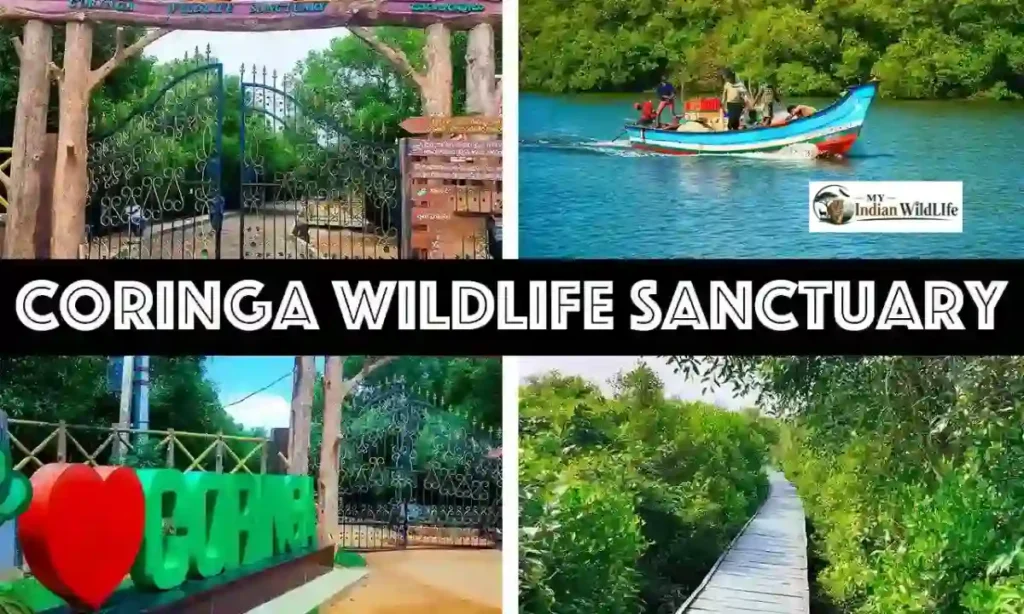
Coringa Wildlife Sanctuary is one of the most beautiful mangrove ecosystems in Andhra Pradesh and is known for its rich coastal biodiversity. Located near Kakinada, the sanctuary spreads across a vast network of mangrove forests, creeks and tidal waterways. Its unique landscape makes it an interesting destination for people who enjoy nature, wildlife, photography and peaceful outdoor experiences. The sanctuary is particularly famous for its mangrove vegetation and diverse birdlife. The waterways passing through the forest create a distinctive environment where visitors can observe the relationship between land, water and wildlife. During suitable seasons, migratory birds also add to the natural beauty of the sanctuary, making it an attractive place for birdwatching.
Coringa Wildlife Sanctuary is different from a typical forest sanctuary because much of its ecosystem is influenced by tidal water. The dense mangrove vegetation provides shelter and breeding grounds for several species while also helping protect the coastal region. Visitors can explore the area through designated trails and boating experiences, depending on local conditions and availability. For travellers visiting the Kakinada region, Coringa offers an opportunity to experience a coastal ecosystem without travelling deep into a conventional forest. The combination of mangrove trees, waterways, birds and peaceful surroundings makes it a distinctive nature destination in Andhra Pradesh.
Coringa Wildlife Sanctuary Overview
Coringa Wildlife Sanctuary is a protected coastal region located near Kakinada in the state of Andhra Pradesh. It is one of the important components of the Godavari Delta ecosystem and has extensive mangrove forest covering the coastal wetlands. The geographical location provides Coringa a distinct identity compared to the inland forests in the state. It is spread over an area of approximately 235 sq km and is considered one of the significant mangrove ecosystems in the eastern coast of India. It has many creeks and tidal channels running through it that form small islands within the mangrove forests. One of the most fascinating aspects of Coringa is its ecological significance. The mangroves serve as a protective cover along the coastline and serve as home to a variety of birds, fish, reptiles and other wildlife. The ecosystem also has marine and aquatic life that is associated with the estuarine ecosystem.
Coringa Wildlife Sanctuary Quick Facts
| Information | Details |
|---|---|
| Name | Coringa Wildlife Sanctuary |
| Location | Near Kakinada, Andhra Pradesh |
| State | Andhra Pradesh |
| Ecosystem | Mangrove and coastal ecosystem |
| Approximate Area | 235 sq. km |
| Famous For | Mangrove forests, birds and coastal biodiversity |
| Nearest Major City | Kakinada |
| Main Attraction | Mangrove ecosystem and waterways |
| Best For | Nature lovers, birdwatching and photography |
Where Is Coringa Wildlife Sanctuary Located?
This sanctuary is found in the Kakinada district of Andhra Pradesh, near the coastal town of Kakinada. Coringa Wildlife Sanctuary is located in the Godavari delta area, whereby there is a mixing of the freshwater of the river systems and the coastal region of the Bay of Bengal. Location is one of the key features that make the sanctuary have its unique ecosystem. The coming together of riverine and marine ecosystems has made possible the formation of muddy tidal zones, creeks, and channels in which mangroves can develop naturally. It has led to the thriving of different bird and aquatic species. Coringa is strategically located near Kakinada, thus making it easy to incorporate the sanctuary in the tourism itinerary of Kakinada. Travellers can choose other attractions in the Kakinada region to explore alongside the sanctuary depending on their time allowance. The coastal location of Coringa makes it relevant environmentally. Mangrove forests aid in the control of the effect of coastal erosion. The sanctuary is thus significant both for tourists as well as an ecological region.
History of Coringa Wildlife Sanctuary
The Coringa area has been known for ages due to its connection with the coastal and riverine environment of the Godavari delta. The area had developed around large tracts of mangrove forests and channels affected by the tidal action of the Bay of Bengal. In time, the ecological value of the mangrove forests had become more and more apparent. In 1978, the Coringa Wildlife Sanctuary was founded in order to preserve the mangrove habitat and the animals inhabiting it. The founding of the sanctuary ensured that a vast tract of coastal forest could be protected. Moreover, the sanctuary is linked with the historical value of the larger Coringa region. Coringa has been an important port area and its coastal nature has been significant in the past times as well. The shift in water courses, the coastal processes, and natural calamities have affected the area through the years. At present, one of the major aims of the sanctuary is related to the conservation of wildlife in the area. Mangroves play an important part in the preservation of wildlife and in the ecological functions performed within the coastal area.
Why Is Coringa Wildlife Sanctuary Famous?
Coringa Wildlife Sanctuary is mostly renowned for its mangrove forests and biodiversity at the coastal area. There is a vast cover of mangroves within the sanctuary that grows within the creeks and waterways of the sanctuary. This results into an amazing natural beauty, which one would not be able to experience in a regular forest.The sanctuary is also renowned for its rich birdlife. One may notice various types of birds around the wetlands, mudflats, waterways and mangrove regions. During the migratory seasons, there could be more varieties of birds, thus increasing the importance of the sanctuary to those who love bird watching and taking photos.
The waterways in the sanctuary are another main attraction within this sanctuary. The presence of narrow creeks and the dense mangroves gives a unique landscape that one may explore with approved boating activity. Experiencing the mangrove forest from water is a different experience from visiting a regular forest.Finally, Coringa is well-known due to its importance to the ecology. There are various benefits offered by mangroves to the aquatic organisms where they act as breeding and nursery habitat to many species. They also protect the coasts from erosions.
Natural Beauty of Coringa Wildlife Sanctuary
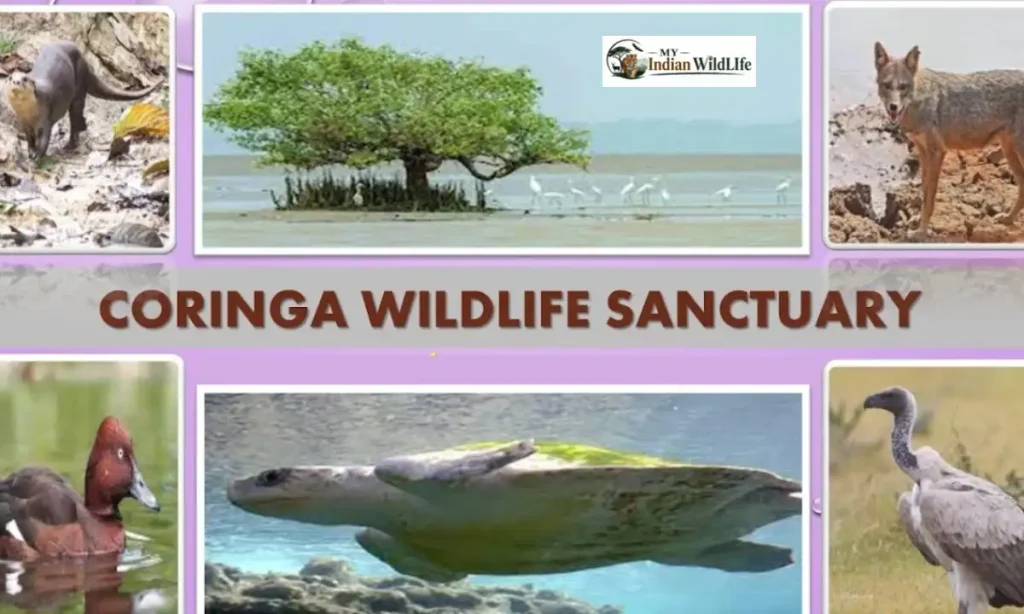
The beauty of Coringa Wildlife Sanctuary lies in the unique presence of green mangrove forests, tidal creeks, muddy swamps, and coastal waterways. In contrast to hill and dry deciduous forests, here the landscape depends on the flow of water and tide levels.The mangrove trees seem to grow straight from the muddy soil and waters. The intricate root system creates unique patterns in nature and offers shelter to tiny aquatic life forms. The small water channels amidst the trees make the landscape even more interesting for photographers.
Birds are another element of interest in this sanctuary. The visitors will be able to spot the birds near the water channels, muddy areas, and the trees, especially during favourable times of the year. The early morning and evening are the most comfortable times to enjoy the surroundings.Another special feature of this place is its tranquil atmosphere. Being far away from the noisy towns and cities, the visitors can relax among the natural landscape and learn about the significance of the mangrove forests.
Mangrove Forests in Coringa Wildlife Sanctuary
Mangrove forests form the main features of the Coringa Wildlife Sanctuary. These specialized plant species thrive in saline or brackish waters.The mangroves play an important part in the ecological system of the sanctuary. The root systems of the mangroves bind the soil, prevent erosion, and create protected areas for fish, crabs and other marine life to grow in. Such areas also serve as habitats for various birds and animals.The forest gains its true beauty when seen from the waterways. The mangrove trees line the creek banks, forming thick green barriers around narrow creeks. This makes boating in the area an exciting adventure when the boating facilities are available.In addition to being popular among tourists, mangroves have their environmental significance. The mangroves serve as a buffer zone between the land and the sea and improve the condition of the coastal ecosystem. That is why the conservation of the mangrove forests is so crucial to preserve the diversity of the sanctuary.
Wildlife in Coringa Wildlife Sanctuary
Coringa Wildlife Sanctuary shelters various kinds of wildlife due to its ecosystem comprising of mangroves, tidal creeks, wetlands, and coastal zones. The specific types of animals that one may come across during visits may differ depending on the season, weather conditions, tides, and time of the day.This sanctuary plays a special role for the birds and aquatic life. Water channels offer a feeding place, whereas the mangrove vegetation acts as a home and habitat for different species. It is thus more about viewing an entire ecosystem rather than finding mammals.
Animals Found in Coringa Wildlife Sanctuary
| Wildlife | Habitat/Importance |
|---|---|
| Fishing Cat | Associated with wetland and mangrove habitats |
| Smooth-coated Otter | Found around suitable aquatic habitats |
| Jackal | Seen in surrounding forest and coastal areas |
| Indian Otter | Associated with waterways |
| Wild Boar | Found in suitable forest areas |
| Rhesus Macaque | Present in forested surroundings |
| Common Mongoose | Found in terrestrial areas |
| Various Reptiles | Associated with wetlands and mangrove habitats |
Wildlife viewing is not always certain since wildlife roams in various regions within the wildlife sanctuary. Visitors must keep a safe distance without disturbing the animal or its environment.
Birds Found in Coringa Wildlife Sanctuary
Watching birds is one of the most delightful pastimes to engage in at Coringa. It is due to the availability of appropriate habitats within the sanctuary’s wetlands, mudflats, mangroves, and waterways for birds, whether residents or migratory.Depending on the season, the visitor would expect to see different varieties of herons, egrets, kingfishers, cormorants, pelicans and other wetland birds. The existence of various habitats ensures that bird activity can be seen in various sections of the sanctuary.The use of binoculars and a camera with an appropriate zoom lens is recommended for photographers and birdwatchers. Early mornings offer good opportunities to observe birds in relatively quiet surroundings.
Marine and Aquatic Life
The Coringa Wildlife Sanctuary is strongly associated with the coastal waters as well as the tidal creeks of the Godavari river delta. The creeks in the Coringa sanctuary create an excellent aquatic environment which is home to various kinds of fish, crabs, prawns, and other small marine organisms. These creeks act as feeding as well as breeding sites for certain aquatic organisms.The brackish-water habitat is especially significant since it acts as the link between the mangrove forests and the coastal environment. The roots of mangroves act as the shelter for juvenile aquatic organisms, while the mudflats serve as the food sources for various kinds of birds and animals.Tourists will not always be able to view the aquatic animals easily due to poor visibility caused by water conditions, tide as well as vegetation. Nevertheless, the aquatic diversity is still an essential component of the ecosystem of Coringa Wildlife Sanctuary.
Flora of Coringa Wildlife Sanctuary
The plants in Coringa Wildlife Sanctuary include mangroves which are plants that thrive in the saline and brackish water environment. These plants have adapted certain physical features that help them survive in the salty water areas.The thick vegetation helps protect animals like birds, reptiles, aquatic animals and other forms of life. Plants that differ in species are found based on variations in water salinity, soil type and tidal effects.Mangrove vegetation is an example of a plant that plays an environmental role. The roots help keep the sediment from being washed away, protect against coastal erosion and protect the coastline. They also help increase productivity of the aquatic environment.
Major Attractions in Coringa Wildlife Sanctuary
Coringa Wildlife Sanctuary provides a unique wildlife experience unlike any forest area. Rather than concentrating on the presence of big game animals only, visitors have the chance to see mangroves, water bodies, birds, and coastal areas. The attractions have strong connections with nature. Hiking trails, mangroves, birds, and boating offer visitors the chance to view various aspects of nature.
Mangrove Forest
The mangrove forest forms the major feature of the Coringa Wildlife Sanctuary. Mangrove plants are tall and dense, growing around the tidal channels. One can walk in the designated paths in order to have a closer look at the unique roots, vegetation, and wetlands. Moreover, the appearance of the forest based on changes in water levels and sunlight makes it an ideal place for nature photography.
Mangrove Walking Trail
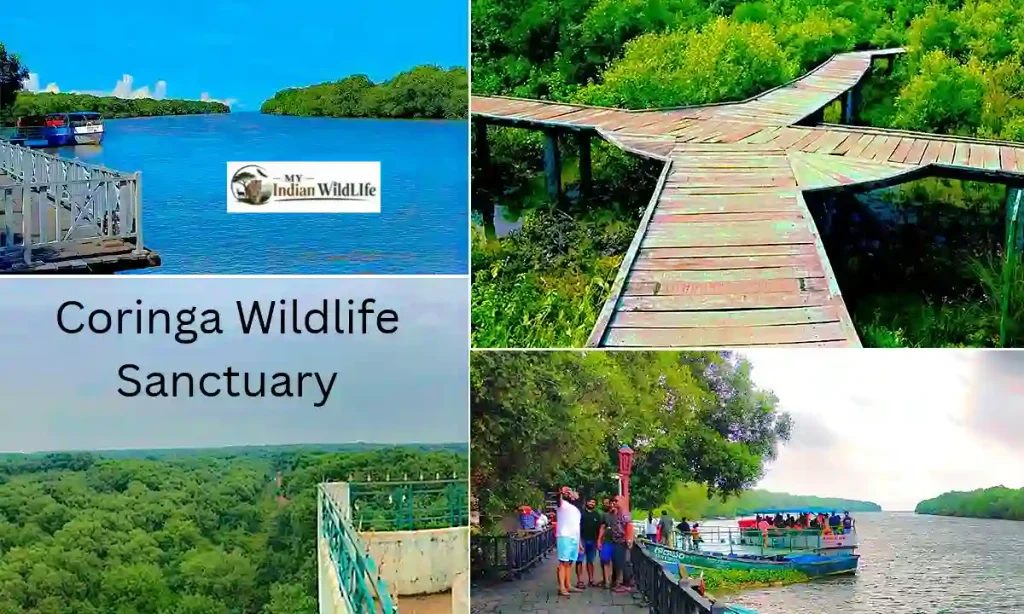
The trail gives visitors an opportunity to access the sanctuary without fully relying on a boat. There are wooden bridges that provide paths within the sanctuary where visitors can walk around sections of the mangrove forest without destroying the surrounding vegetation. This trail is especially important for those visitors who wish to view the plants, insects, birds, and the structure of the mangrove forest. It is advisable for one to wear appropriate shoes because of the nature of the surrounding.
Boat Ride
Boating is one of the most memorable activities that take place within the Coringa Wildlife Sanctuary. If boating facilities are available, then visitors can enjoy themselves traveling along the water channels which have mangrove forests on both sides.Going for a boat ride offers a different perspective of the sanctuary since many mangroves are naturally divided by creeks and waterways.Boats may be operating depending on weather conditions and other operational matters. It is thus important for visitors to check whether there are any boat rides on the day of visit.
Bird Watching
One of the main reasons why people who love nature come to Coringa is birdwatching. The presence of mangroves, wetlands, mudflats and water bodies provides appropriate habitat for many resident and migratory birds. It is recommended that visitors should have binoculars and be quiet while watching birds. Early mornings are quite good times for birdwatching as the environment becomes very quiet.
Nature Photography
Coringa is replete with many photo subjects such as mangrove trees, tidal creeks, birds, reflection, roots, and coastline. The unique formation of mangrove flora distinguishes the sanctuary very much from the usual forest destinations. One must take photographs in a responsible manner. One must not venture into any restricted areas, disturb the birds or animals, and damage any plant to take photographs.
Coringa Wildlife Sanctuary Timings
Coringa Wildlife Sanctuary opening hours may be subject to some restrictions set forth by the forest department along with weather and season-related factors. Tourists must check the current timings prior to setting out on their trip, especially if they plan to come either early in the morning or late in the afternoon. A morning trip might prove a wise choice for tourists who are keen on bird watching and taking photos.
| Visitor Information | Details |
|---|---|
| Morning Visit | Suitable for birdwatching and nature exploration |
| Afternoon Visit | Suitable for general sightseeing, subject to timings |
| Best Approach | Confirm current opening hours before visiting |
| Boating | Subject to availability and local conditions |
Coringa Wildlife Sanctuary Entry Fee
The cost of entry at Coringa Wildlife Sanctuary could depend upon the category of the visitor and the amenities provided. There will also be charges for various activities that are offered, like boating, photography, and other amenities. Since fees at the forest department could vary, it would be best for visitors to check the present fees before planning their visit. Travellers would benefit from carrying some cash since it could not be available in some cases for paying digitally.
Best Time to Visit Coringa Wildlife Sanctuary
The best time to visit Coringa Wildlife Sanctuary varies according to the purpose of your visit. Comfortable sightseeing is better during cooler months, whereas bird watching becomes enjoyable during migratory season as well.
Winter Season
The winter season is often regarded as one that is favorable to visit Coringa. It is relatively a better time compared to the hot seasons since the weather is comparatively good and thus more conducive for outdoor activities such as walking around the place. Another factor that makes winter season favorable for this place is that there may be many migratory birds visiting the region.
Summer Season
Summer season is marked by high temperatures and humidity since Coringa lies in a coastal location. People who would visit Coringa during summer are advised to make their visit during early morning hours and pack themselves with adequate water and sunscreens. Even in the hot weather, the mangrove ecosystem is quite appealing and can be visited during cold hours of the day.
Monsoon Season
This season changes the landscape, as well as increases water flow in the creeks and wetlands. Green vegetation becomes especially lush during and after the rains. At the same time, the rains may impact recreational activities and boating. Travellers should be aware of weather conditions and any regulations provided by the local authorities.
Things to Do in Coringa Wildlife Sanctuary
Coringa Wildlife Sanctuary is ideal as an eco-tourism experience instead of being a normal entertainment center. Tourists may spend some hours touring the area and enjoying the mangrove ecosystem. The top things that visitors do are walking in specified areas, bird watching, exploring the mangrove ecosystem, photography, and taking a boat ride where possible. Those with interest in ecology may get a chance to appreciate how the mangrove forest ecosystem helps in maintaining biodiversity along the coast.
| Activity | Experience |
|---|---|
| Mangrove Exploration | Discover the unique coastal forest |
| Bird Watching | Observe resident and migratory birds |
| Boat Ride | Explore tidal waterways |
| Nature Photography | Capture mangroves, birds and landscapes |
| Walking | Explore designated trails |
| Wildlife Observation | Look for animals and aquatic life |
How to Reach Coringa Wildlife Sanctuary
The Coringa Wildlife Sanctuary is positioned in the vicinity of Kakinada and it can be accessed through roads from the city. People who intend to visit this place from other locations in Andhra Pradesh or adjacent regions may travel up to Kakinada through trains, buses, or airplanes before reaching the sanctuary. It is easy to access the sanctuary by road since the sanctuary is positioned in proximity to Kakinada. One can use personal cars and taxis to access the place.
By Air
The closest airports will depend on the route being taken for travel and the present connectivity through flights. Travellers from far-off places could opt for an airport close to the greater Kakinada-Rajahmundry area and then take road transport to complete the journey. Before opting for flights, it is always recommended that one should find out the road distance between the airport chosen and Coringa.
By Train
There is good rail connectivity to Kakinada from various cities across Andhra Pradesh and even from other places in India. Travelers traveling through rail can reach Kakinada and then continue onward to the sanctuary via taxi or public transportation. Rail is also a convenient way for visitors to travel when there is train service available from their city to Kakinada.
By Road
The road route is one of the simplest options for getting to Coringa Wildlife Sanctuary from Kakinada. Travellers may opt for taxis, private or local transportation according to their location of departure. For those who are travelling from other cities, first reaching Kakinada by state or private bus and then arranging local transport can be considered.
Nearest Railway Station to Coringa Wildlife Sanctuary
Kakinada Railway Stations make the most efficient railway means of transport for people coming to visit the Coringa Wildlife Sanctuary. Once one reaches Kakinada, he/she can easily find transport means that can take him/her to the sanctuary. However, the estimated travel time varies depending on the station that one starts from and road conditions among other factors. Therefore, it is important to check the travel route on the day of travel.
Nearest Airport to Coringa Wildlife Sanctuary
Rajahmundry airport can be considered among the major airports for those traveling to the Kakinada area. Upon reaching Rajahmundry Airport, travelers will have to travel by road to the Coringa Wildlife Sanctuary through Kakinada. The time taken for this entire journey may vary based on various factors including traffic and road conditions. Those intending to visit the sanctuary on the same day as arrival should allocate enough time for the journey.
Distance from Kakinada to Coringa Wildlife Sanctuary
Coringa Wildlife Sanctuary is situated near Kakinada and therefore is among the easy to visit nature destinations for a tour to Kakinada. The sanctuary can normally be accessed from the city by road and the journey involves travelling through the coast of the Godavari delta. The actual time required will depend on your route and also whether you are coming from a certain place in the city. Visitors who intend to go by private car or taxi may check their road route details prior to departure. If you want to explore the sanctuary and also have a boat trip, extra time may be considered.
Places to Visit Near Coringa Wildlife Sanctuary
Coringa Wildlife Sanctuary can be seen in conjunction with other places of interest in Kakinada and the adjoining region. There are beaches, temples, historical sites and natural places of interest which may make for an exciting itinerary.
Kakinada Beach
Kakinada Beach is an interesting coastal destination that allows you to relish the seaside, breathe some fresh air and relax at night time. This destination could be an ideal place to visit after visiting Coringa especially those people who want to explore the coast of Kakinada.
Hope Island
Hope Island is one more remarkable natural sight linked to the coast of Kakinada. The island lies close to the Bay of Bengal and constitutes part of the coast, being different in its scenery from the mangrove swamps of Coringa.
Uppada Beach
The Uppada Beach is renowned for its long shoreline and serene environment. The beach is also famous due to the traditional Uppada handloom, thus making it a very interesting place for tourists who are keen on both beaches and culture.
Annavaram
Annavaram is a significant pilgrim site in Andhra Pradesh and houses the famous Sri Veera Venkata Satyanarayana Swamy Temple. People with extra time can combine the visit to Annavaram within a broader tour of the Kakinada area.
Draksharamam
Draksharamam is famous for Bhimeswara Swamy Temple, which is an important pilgrimage site in the Godavari district. The architectural structure and the religious significance of Draksharamam have made it a very popular place to visit near Kakinada.
Hotels and Accommodation Near Coringa Wildlife Sanctuary
There is also accommodation available within and outside Kakinada, which is normally a good base for visiting Coringa Wildlife Sanctuary. There are hotels, guest houses and other accommodation facilities in all categories.A comfortable holiday could also be had by remaining in Kakinada since tourists can also visit other destinations such as beaches, temples and markets. Tourists should select their accommodation as per their mode of transport and itinerary plans.However, people who wish to have a more peaceful vacation may also look out for accommodation in other places, far away from the hectic city life. But it is necessary to take into consideration the distance from the sanctuary and transport availability.
Food Options Near Coringa Wildlife Sanctuary
However, there could be less availability of food stalls near the sanctuary than that of the main city location. It will be better if visitors plan their meal before hand, especially when they are accompanied by their families or when they spend few hours in this area.Kakinada has more variety of food available for the tourists. Tourists can have South Indian food, Andhra delicacies, veg food and snacks.Tourists should carry drinking water and some snack while visiting the sanctuary. Tourists should not litter any packet, plastic bottle or other items near the sanctuary.
Photography and Bird Watching
Coringa Wildlife Sanctuary is especially an exciting place for photography as the landscape here is quite unique compared to other forests. The mangrove roots, water channels, birds, reflection, and greenery offer many natural subjects.For bird watchers, they need to have a pair of binoculars and a camera with a zoom lens if possible. Patience is key because the birds can either be hidden in the mangroves or fly away when they spot people approaching.The key is to watch the wildlife without disturbing them. One must make sure not to make any noise or chase the birds for pictures or entering off-limits areas.
Travel Tips for Visiting Coringa Wildlife Sanctuary
With a little prior planning, a trip to Coringa Wildlife Sanctuary will be a more pleasant experience. Given the fact that Coringa Wildlife Sanctuary is located in a coastal and humid region, one must wear light and comfortable clothing and carry drinking water.Comfortable footwear can be beneficial while walking on the marked pathways. One can also use sunscreen, a hat and sunglasses which are useful in the warm season. Binoculars can enhance the pleasure of bird watching.One must know the recent opening hours, entrance fees, boating facilities in the sanctuary and weather conditions before one takes the trip. The most important thing for the visitors to remember is that they must respect the environment. They must not feed the animals, disturb the birds, damage plants or litter the waterways.
Rules and Safety Guidelines
As Coringa Wildlife Sanctuary is an area under conservation, visitors have to adhere to the instructions given by the forest officials and sanctuary staff. The visitors must use specified trails and areas for visiting instead of entering into forest areas which are restricted.Wildlife must be seen from a safe distance away and feeding or touching them is dangerous and will affect their natural behavior.In case of a boat trip, the visitors must adhere to the instructions of the boatman and wear all safety gear. Moving about or standing up unnecessarily on board poses unnecessary dangers.Visitors should dispose of plastic waste in an appropriate way and should not carry any materials which might affect the environment. Also, visitors should take pictures without disturbing any wildlife.
Is Coringa Wildlife Sanctuary Worth Visiting?
Coringa Wildlife Sanctuary could be an ideal place for tourists who love the mangrove forests, birds, coastal areas, and photography. The ecosystem in this sanctuary is entirely unique compared to those of hill and dry forests which are often explored through wildlife tours.The combination of the mangrove forests and water bodies is what makes the sanctuary attractive. For tourists interested in nature and ecology, Coringa could help them understand how coastal areas provide a habitat for wildlife and help in protecting the coastline.Coringa would be ideal for travelers exploring Kakinada as a tourist destination. This is because it gives them the opportunity to explore more about the nature.
Coringa Wildlife Sanctuary Address, Location & Google Maps
The Coringa Wildlife Sanctuary is found in the district of Kakinada in the state of Andhra Pradesh, specifically the coastal zone of the Godavari delta area. The sanctuary is near Kakinada and is popular because of its mangrove swamps, tidal creeks, wetlands, and the biodiversity in the coastal region.The Coringa Wildlife Sanctuary is found along the water channels of the Coringa River and the Godavari delta, making the site an ecosystem comprising fresh water and sea water zones. Travelers who visit Kakinada and other neighboring regions may access the sanctuary through Kakinada via road transport.
Coringa Wildlife Sanctuary Itinerary
Half-Day Trip
The half-day tour can be devoted solely to visiting the sanctuary. People can come in the morning, take their time visiting the designated mangrove area, and engage in some bird-watching and boating when available. Having visited the sanctuary, people can head back towards Kakinada to enjoy their lunch and continue with sightseeing. This will be an ideal choice for visitors who do not have enough time.
One-Day Trip
A full day program gives a lot more options. Tourists will have ample time in the morning to visit Coringa Wildlife Sanctuary and dedicate their time to bird watching and taking photos.After having lunch, tourists will be able to move towards other sights like Kakinada Beach and Uppada Beach. It is important to note that which places will be visited will depend on various factors.
Conclusion
Coringa Wildlife Sanctuary is an unusual coastal tourist destination which is marked by the presence of mangrove forest, tidal creeks and wild animals to form a unique natural setting. It has a different kind of landscape that makes it an interesting destination for tourists interested in the flora and fauna of the Godavari Delta region.
This destination is ideal for tourists who are keen on bird watching, photography and those who enjoy natural settings. Mangrove walks, tidal creeks and season-specific bird movements are some of the activities that tourists can indulge in and at the same time learn about the importance of coastal ecosystems. A visit to Coringa is possible along with a visit to the beaches in Kakinada and other nearby tourist destinations thus making it an ideal day or half-day tour destination.
Faqs
Where is Coringa Wildlife Sanctuary located?
Coringa Wildlife Sanctuary is located near Kakinada in Andhra Pradesh. It forms part of the coastal and mangrove ecosystem of the Godavari delta.
What is Coringa Wildlife Sanctuary famous for?
The sanctuary is famous for its extensive mangrove forests, tidal waterways, coastal biodiversity and birdlife. Its unique mangrove ecosystem is the main attraction.
Which animals are found in Coringa Wildlife Sanctuary?
The sanctuary supports various wildlife species associated with mangrove, wetland and coastal habitats. Visitors may encounter animals such as fishing cats, otters, wild boars, jackals and several other species, although sightings are not guaranteed.
Which birds can be seen in Coringa Wildlife Sanctuary?
The sanctuary provides habitat for numerous resident and migratory birds. Depending on the season, visitors may see species such as herons, egrets, kingfishers, cormorants and pelicans.
What are the timings of Coringa Wildlife Sanctuary?
The visiting schedule can change according to local forest department regulations, weather and seasonal conditions. Visitors should confirm the current timings before starting their journey.
What is the entry fee for Coringa Wildlife Sanctuary?
The entry fee can vary according to visitor category and applicable facilities. Additional charges may apply for activities such as boating. It is advisable to confirm the latest charges before visiting.
What are the timings of Coringa Wildlife Sanctuary?
The visiting schedule can change according to local forest department regulations, weather and seasonal conditions. Visitors should confirm the current timings before starting their journey.
What is the entry fee for Coringa Wildlife Sanctuary?
The entry fee can vary according to visitor category and applicable facilities. Additional charges may apply for activities such as boating. It is advisable to confirm the latest charges before visiting.
What is the best time to visit Coringa Wildlife Sanctuary?
The cooler months are generally comfortable for exploring the sanctuary. Winter can also be an interesting period for birdwatching because migratory birds may be present in the region.
Is boating available at Coringa Wildlife Sanctuary?
Boating has been one of the major visitor experiences at Coringa, allowing travellers to explore the mangrove waterways. Availability can depend on weather, water conditions and local operational rules.
How far is Coringa Wildlife Sanctuary from Kakinada?
Coringa Wildlife Sanctuary is situated near Kakinada and can be reached by road from the city. The exact distance and journey time depend on the starting point and selected route.
How can I reach Coringa Wildlife Sanctuary?
Travellers can reach Kakinada by road or railway and continue to the sanctuary by local transport. Visitors arriving from farther destinations can also use the nearest suitable airport and travel onward by road.
Also,Read About: Balaram Ambaji Wildlife Sanctuary: Wildlife, Timings, Best Time to Visit & Complete Guide