
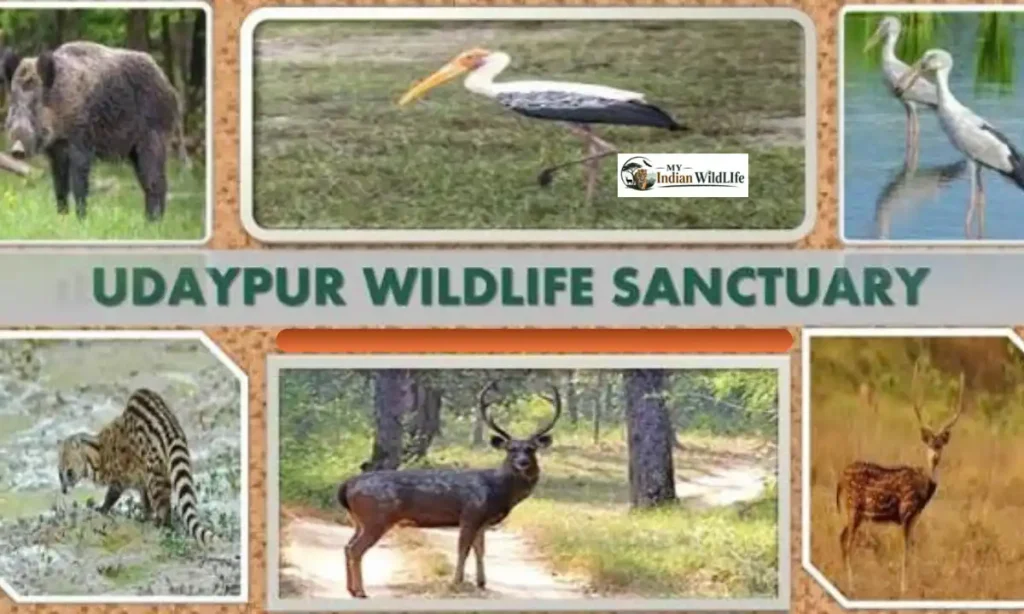
Udaypur Wildlife Sanctuary is an enchanting natural tourist site in the district of West Champaran, Bihar, India. Udaypur Wildlife Sanctuary comprises a wetland ecosystem, riverine forests, various types of birds and natural surroundings. This site attracts nature lovers, bird watchers, wildlife lovers and tourists who would like to visit some unknown natural sites in Bihar. The peace and distinct landscapes of the site make it interesting for studying the biodiversity of the Gangetic Plains.
The sanctuary comprises an area of about 8.87 square kilometers. It is a wetland area linked to an oxbow lake of the floodplains of Gandaki River. The wetland, swamp and woodland areas of the sanctuary offer suitable habitats for different birds and wildlife. This area is especially interesting for the wetland birds and birds who visit this area during the winter season. It can be said that this site is important for the conservation and awareness of the environment.
It is clear that this wildlife sanctuary is different from the famous tiger reserves and safari parks of India. One cannot expect jeep safaris or trekking trails in this wildlife sanctuary. It is rather a place where natural conservation and protection of the wildlife take place. In
Udaypur Wildlife Sanctuary Overview
The Udaypur Wildlife Sanctuary is a reserve in the state of Bihar where a significant wetland and forest ecosystem is maintained. Geographical location and the vegetation found here play host to several forms of fauna, especially birds that are linked to the wetlands and rivers. The sanctuary presents an opportunity to learn how wetlands aid in biodiversity.
| Particulars | Details |
|---|---|
| Name | Udaypur Wildlife Sanctuary |
| Location | West Champaran, Bihar, India |
| Total Area | Approximately 8.87 square kilometres |
| Notification Date | 5 May 1978 |
| State | Bihar |
| Landscape | Wetlands, swamp forests and riverine vegetation |
| Major Attraction | Wetland biodiversity and birdlife |
| Nearby Town | Bettiah |
| Nearest Convenient Railway Station | Bettiah Railway Station |
| Best Time to Visit | October to March |
| Ideal For | Birdwatching, nature observation and wildlife photography |
| Entry Fee | Current official fee requires confirmation |
| Opening Timings | Confirm with local forest authorities |
| Safari Facility | Current availability requires confirmation |
Since the sanctuary has limited space, its importance with regard to the wetland habitat is enhanced. The significance of preserving such habitats lies in maintaining the plant species, providing refuge for birds and reptiles, and keeping up the ecological balance between land and water. Nature conservation-minded tourists can gain a lot from visiting the sanctuary despite not coming across big mammals there.
About Udaypur Wildlife Sanctuary
One unique feature about the sanctuary is that unlike other wildlife destinations which comprise mainly of dry forests or grasslands and even mountains, this sanctuary has an ecosystem which is predominantly influenced by water and its surroundings in terms of the river floodplain.
One of the notable geographical features in the sanctuary is the presence of an oxbow lake. An oxbow lake is formed when a river alters its course leaving behind a crooked part of its channel. Oxbow lakes tend to be important habitats for fish, aquatic creatures, insects and birds. The oxbow lakes also serve as feeding and resting grounds for various waterbirds especially in seasons when weather conditions are favourable.
There are also various forms of vegetation around such as swamp forests and riverine woodlands. Some of the riverine woodlands include khair-sissoo vegetation. Trees and other plant life provide nesting sites, food and shelters for various species of animals.
For the tourists visiting this sanctuary, one unique thing is that the sanctuary is different from the regular wildlife park since it has its own charm in its natural environment and its birdlife as well. Travellers visiting this sanctuary need to stick to official paths and not disturb
History of Udaypur Wildlife Sanctuary
The notification for establishing Udaypur Wildlife Sanctuary as a protected area took place on 5th May 1978. The need to notify the region as a protected area stems from the significance of conserving the wetland and forest habitats found within the West Champaran district in Bihar.
Udaypur Wildlife Sanctuary has a connection with the geography of the flood plain of the Gandaki River. The changes in the river courses have led to the creation of the wetlands and oxbow lakes in the region. Wetlands and oxbow lakes serve as habitats to several types of life forms and birds both resident and migratory species.
The geography and ecology of the sanctuary are interlinked through the relationship between the river, vegetation and wildlife found in the region. Protection of wetlands is crucial because they can be affected due to pollution, lack of water, human interference and loss of surrounding vegetation.
It is essential to preserve important natural areas and develop the awareness about biodiversity in the region. Udaypur Wildlife Sanctuary plays an important role as part of the natural heritage of Bihar state. At present, Udaypur Wildlife Sanctuary has an importance to the nature lovers, bird watchers and conservationists. It is possible
Flora and Fauna of Udaypur Wildlife Sanctuary
Udaypur Wildlife Sanctuary, which lies in West Champaran, Bihar, is noted for its wetlands, riverine forests and various natural ecosystems. Various flora and fauna are found within the sanctuary due to the presence of water bodies, swamps and vegetation within the sanctuary. These ecosystems are home to various wild species and thus make the sanctuary a vital component of the state’s ecosystem.
The biodiversity of the Udaypur Wildlife Sanctuary depends on various factors such as the season, availability of water and other environmental factors within the region. The wetlands within the sanctuary form a very important part since they support the growth of various birds and thus provide breeding grounds for both resident and migratory birds.
Animals Found in Udaypur Wildlife Sanctuary
Udaypur Wildlife Sanctuary acts as a natural home to species related to wetlands, forests, and riverine ecosystems. Ecological significance of the sanctuary is not because of one species of animals but due to the diversity of habitats that exist in it. Vegetation and bodies of water present in the sanctuary support organisms that make up a food chain.
The area around the West Champaran District has several types of habitats for wildlife but just because an animal exists in the area doesn’t mean that it exists within the sanctuary. People who want to see specific mammals or endangered species should get the latest information on it from forest officials of the area.
Mammals and Other Wildlife
The natural surroundings of the sanctuary might offer a conducive habitat for small mammals and other wildlife species that occur in habitats close to wetlands and woods. Small mammals help maintain the ecosystem through seed dispersion, control of pests such as insects and rodents and food chain.
But it should not be viewed as a sanctuary where visitors are assured of viewing large mammals. Wildlife cannot be predicted, and it is not possible to predict whether an animal will visit or not based on habitat. Viewing wildlife from designated locations is the proper way of enjoying the sanctuary.
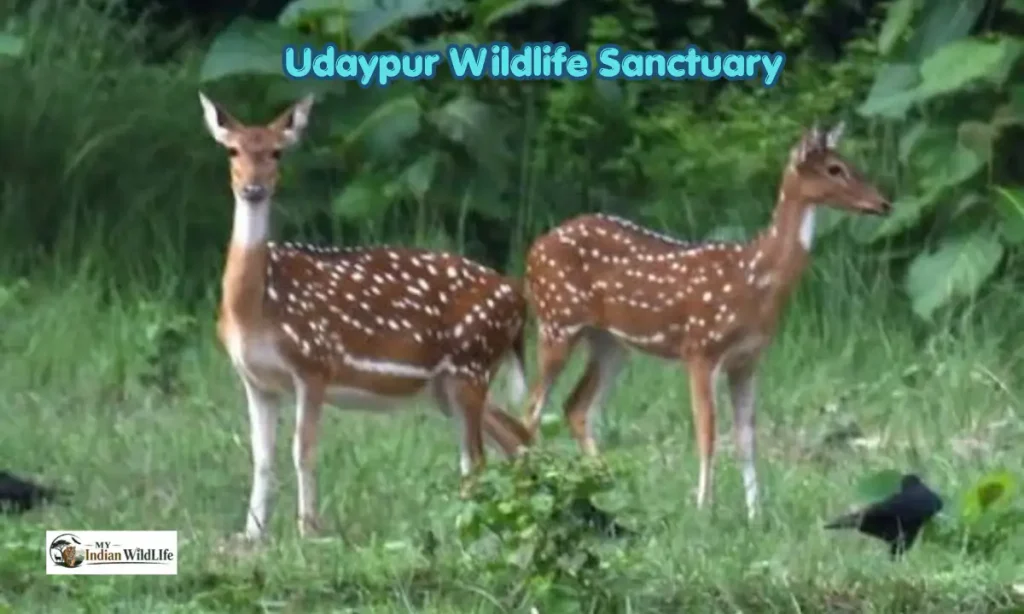
Birds Found in Udaypur Wildlife Sanctuary
Bird life constitutes an integral part of the Udaypur Wildlife Sanctuary that offers several unique attractions. Birds have access to feeding grounds, roosts and nesting sites, thanks to availability of water bodies, shrubs and tree cover. The availability of natural food sources such as water, insects and seeds contributes to the presence of various kinds of birds at the site.
There are some chances that the wetland ecosystems in the sanctuary may become attractive for birdwatching in the colder months due to arrival of migratory birds to suitable wetlands in the northern part of India. Different types of birds can be seen depending on time of the year, level of water and prevailing environmental conditions.
Notable Birds and Birdwatching Opportunities
The species of birds that have been found in association with the sanctuary’s biodiversity and various habitat types are the paradise flycatcher, emerald dove, grey shrike, green warblers and white-eyes. The listed birds belong to a variety of ecological groups, from woodland birds to those that forage in shrubs and trees. The behavior, sounds and feeding habits of such birds make them suitable for bird watching.
The wetlands at the sanctuary are important for the presence of other types of birds that are dependent on wetlands. Depending on the season, the wetlands may offer some feeding grounds for the resident and migratory water birds. However, the availability of particular species cannot be assured all year round.
Best Time for Birdwatching
October-March is the best time for bird watching and exploration of wetlands in northern India. This season has cooler temperatures that make it more pleasant to be outside, along with migratory birds which can add to the variety of birds present there.
Binoculars and comfortable clothes should be carried along with the need to stay silent in the presence of wildlife. Bird feeding, approaching nests, and entering into restricted wetlands are some things that should be avoided. This is done to protect the birds from any disturbance.
Reptiles Found in Udaypur Wildlife Sanctuary
Wetlands, edges of forests, and riverine vegetation could possibly form ideal habitat conditions for certain reptiles. The role of reptiles in nature is significant, as they control the number of insects, rodents, and other small creatures. In addition, some types of reptiles are prey to bigger animals, thus becoming part of a food chain.
A variety of reptiles, including various types of snakes and lizards, live in the larger area of Bihar. Nevertheless, the presence of particular reptiles in Udaypur Wildlife Sanctuary needs to be verified using local wildlife observations. It is wrong to take for granted that all the reptiles of the area exist within the sanctuary’s limits.
Snakes and Other Reptiles
Reptiles play significant roles within natural ecosystems, as snakes and other types of reptiles control rodent population. Lizards also make contributions towards achieving equilibrium within the ecosystem through eating insects. It is common for reptiles to hide in vegetations, near water bodies, or under natural cover such that one may fail to notice their presence during the visitation period.
In case any reptile is seen, visitors need to keep their distance and let the reptile escape naturally. Approaching wildlife in a manner that will cause them discomfort may be risky and may amount to violation of conservation guidelines. Photography must be done from a distance.
Trees and Vegetation of Udaypur Wildlife Sanctuary
The plants of Udaypur Wildlife Sanctuary are typical of wetland and riverine ecosystem. The natural habitat of this region consists of woodland vegetation, swamps and trees that are adjusted to the soil and water conditions of the place. They feed and shelter the wildlife and help in balancing the interaction between the land and water bodies.
Trees play an essential role in the life of birds since they offer places for nesting, resting and protection from their enemies. In addition, the fruits, seeds and the insects that live on them constitute the food for various living things. Moreover, vegetation in the bordering area of wetlands maintains the soil stability.
Commonly Reported Trees and Plants
Some of the plant species found in this forest sanctuary are trees including sissoo, khair, simal, bahera, harra, asan, piyar, and bhelwa. Sissoo and khair are tree species that are linked with riverine and khair-sissoo forest types, respectively, while other trees are native to the forest. The plants mentioned above provide varied habitat to birds, insects, and other wildlife species.
The exact locations of individual plant species within the sanctuary may differ. For scientific and botanical purposes, people visiting the sanctuary are advised to refer to the latest data available from forest department records.
Importance of the Sanctuary’s Biodiversity
The biodiversity of Udaypur Wildlife Sanctuary is significant in that the wetlands and woodland form part of an ecosystem that complements each other in terms of the interrelated processes in these habitats. The water bodies are a source of nutrients to the aquatic species and birds, and the trees and shrubs serve as a source of food, habitat and nesting grounds for birds.
The wetlands are also useful in the larger environment through the provision of support for natural water related processes and species of fauna and flora dependent on aquatic ecosystems. The health of these habitats is influenced by changes in water availability, pollution, loss of vegetation cover and human disturbances. This implies that the sanctuary serves purposes beyond those of conserving specific species.
Tourism that is responsible will contribute towards conservation education. One should not litter, feed the wildlife, destroy the vegetation and venture into restricted areas. Adhering to the guidelines of the forest authorities and viewing the animals from a distance is key.
Safari and Activities at Udaypur Wildlife Sanctuary
Udaypur Wildlife Sanctuary is more of a spot for the viewing of nature rather than tourism and entertainment. People are able to gain knowledge of the natural surroundings by looking at the birds, vegetation, and other aspects of the environment within the areas where visits are allowed. But the availability of safari trips should be checked from the forest department first.
Wildlife Watching
One can enjoy watching animals in their natural habitats without interrupting their daily activities. People are advised to be quiet and to stick to authorized zones without feeding or chasing the animals. One has to have patience since the animals can hide among shrubs, trees, and other vegetation.
Birdwatching
Bird watching is a perfect hobby for those who have an interest in the wetland ecosystem in the sanctuary. Binoculars will enable tourists to spot the birds from afar, and a bird identification book will help them easily identify the various species. Visiting at particular seasons will give them the chance to see some other birds.
Nature Photography
The natural beauty, flora, and fauna of the wildlife sanctuary can make an interesting topic to be captured through nature photography. The camera with the telephoto lens would be helpful in clicking photographs of the birds from a distant position. No photography techniques which would scare the wild animals should be employed.
Nature Walks and Outdoor Exploration
Walking around in the nearby terrain will surely be pleasant if public access is allowed. But tourists should never take for granted that there are signposted trails for trekking or nature walks. Before entering into the territory, make sure which paths are open for access and if there is any guide needed.
Safari Options and Charges
There is no evidence of a regular jeep safari tour booking arrangement available in Udaypur Wildlife Sanctuary. The tourists are advised to contact the respective forest department officials regarding the availability of any safari trips, guided nature trails, or any other organized activity in the sanctuary.
Udaypur Wildlife Sanctuary Timings
Udaypur Wildlife Sanctuary is a protected natural reserve located in West Champaran district of Bihar. It would be advisable for any visitor planning to visit this sanctuary to find out about the timings at which the place can be accessed from the forest department prior to their travel. Contrary to regular wildlife parks, wetlands that are protected may have different opening times depending on different factors like conservation needs, climate etc.
Bird watchers and photographers should consider visiting Udaypur Wildlife Sanctuary in the mornings as far as possible subject to the access being allowed. Birds tend to remain active in the cooler part of the day and therefore morning time would be ideal for them.
Opening and Closing Timings
Official opening and closing timings for the Udaypur Wildlife Sanctuary cannot be confirmed at this time. It would be wise for tourists to get in touch with the concerned forest department office before coming over for more information about the timings, mode of entry, and any restrictions, if any, during particular seasons.
It would also be sensible to find out whether the area is currently closed to tourists on account of rains and flooding of the wetlands within the sanctuary.
Best Time of Day to Visit
Morning time is an excellent time to observe nature since it is usually cool and more active. Photography lovers will benefit from the soft light of morning hours that can be used to photograph birds and surroundings. Nonetheless, the visiting time must depend on the authorized schedule of the sanctuary.
It is also possible to visit the sanctuary during the afternoon time as long as entry is allowed and there is still plenty of daylight left. One should not consider visiting the sanctuary near its closing time.
Udaypur Wildlife Sanctuary Entry Fee and Ticket Price
The present official entrance fees to the sanctuary of Udaypur Wildlife are difficult to ascertain from accurate and up-to-date sources. It would be unwise to depend upon unreliable internet figures while budgeting for your tour. The appropriate fees, if any, will vary according to the type of visitor and regulations prevailing at that particular time.
Prior to making plans to visit the sanctuary, it is advisable to contact the concerned authorities of the local forests regarding any necessary permit and/or entry ticket and also any charges if any for activities such as taking photos or guided tours.
Entry Fee for Indian Visitors
Indian tourists must find out the latest entry formalities prior to making any plans for their visit. One should not assume that entry will be free or that there is a constant price of the entry tickets throughout the year.
Entry Fee for Foreign Visitors
Foreigners must verify whether extra documents or permissions are needed. Some protected areas may have special regulations that must be adhered to. Therefore, it is prudent to find out what one needs to provide before travelling rather than depending on other wildlife sanctuary information.
Camera Charges and Guide Fees
People looking for wildlife photography would be better off to see if there are additional camera fees or photography limitations. Equally important is the question of whether or not the official guides can be arranged and how much such guides cost. The guided tours might not be provided every day.
Safari and Vehicle Charges
There is no known provision of jeep safaris on a commercial basis at the Udaypur Wildlife Sanctuary. Tourists are advised to find out if vehicles are allowed access and any guided tours are provided. Fees for these facilities need to be ascertained from the concerned authorities.
Best Time to Visit Udaypur Wildlife Sanctuary
According to experts, the best time to visit Udaypur Wildlife Sanctuary is from October to March because during this period the temperatures prevailing throughout the state of Bihar are relatively moderate for outdoor adventures. This season is ideal for travelers who want to go bird watching and take nature photographs in the wetlands.
The ideal travel time depends on the level of rainfall, water and accessibility of the place. The visitors must check the weather report and ascertain whether the sanctuary is open to visitors before embarking on their journey.
Winter Season (October to March)
The best time of the year for visiting the sanctuary would probably be winter as the cool temperature ensures that one can enjoy their stay outdoors while watching birds and enjoying the scenery of plants and trees around. Wetlands in northern India would usually attract birds in winter and the type of birds in the Udaypur Sanctuary would actually depend on the habitat of the area.
Nature lovers could consider visiting in the morning hours as it could prove to be a pleasant time and there might also be some visible activities by the wildlife. It would be a good idea to have binoculars, a camera and comfortable shoes before coming here for the visit.
Summer Season (April to June)
Summers in Bihar can be very warm and hence, the experience of venturing out into nature can become unpleasant, especially in the afternoons. People planning to travel to Bihar during the summer should be ready for hot weather and should have adequate drinking water with them. Appropriate and light clothing should be worn to avoid the heat during outdoors.
People who wish to visit Bihar in summers should schedule their activities according to the cool timings when possible. But wildlife viewing is not always possible since the water level may not guarantee the presence of animals due to the dryness.
Monsoon Season (July to September)
The monsoon causes rains that might turn the area green and beautiful. The wetlands can be very lush; however, the heavy rains could make the roads tough to travel on and make life difficult in the vicinity of water bodies.
People planning to visit the area during the monsoon should check for any floods, closed roads or any other access issues before planning the trip. Do not walk through any flooded areas and stay away from river banks and wetlands.

Which Season Is Best for Different Visitors?
For the majority of tourists, winter appears to be the most feasible option due to its comfortable climate and bird watching possibilities. On the other hand, summer may be preferable for tourists who can endure high temperatures and who are well-prepared, whereas the monsoon season would be suitable for nature lovers.
Nevertheless, no matter what season it is, one’s visit will depend on one’s preparedness, permission to enter the territory, and proper treatment of nature. One must realize that there are no unrealistic promises and expectations associated with visiting Udaypur Wildlife Sanctuary as it is an area where wildlife can be observed.
How to Reach Udaypur Wildlife Sanctuary
Udaypur Wildlife Sanctuary is found in West Champaran district, Bihar, India. The traveler can choose the transportation medium, be it by road, rail or flight, to reach Udaypur Wildlife Sanctuary. Bettiah is a good place around which one could organize local transportation means and find a place to stay before heading towards the sanctuary.
It is advised that before embarking on the trip, one finds out the exact spot from where the sanctuary can be entered and also ascertains if entry is allowed at that time. This is important since the sanctuary is a protected forest area and the nearest map spot may not be the entrance point.
How to Reach Udaypur Wildlife Sanctuary by Road
It is a viable means of reaching the destination for tourists arriving from Bettiah and elsewhere in the state of Bihar. Tourists can arrive at Bettiah using their own private vehicle, taxis or buses and make necessary arrangements for reaching the sanctuary. The choice of means of reaching the destination will depend upon the route chosen, the condition of the road and the place where tourists can enter.
Tourists reaching from distant cities will have to plan their travel and make provision of extra time for reaching the final destination. Rural roads could be impacted by rains and floods during the rainy season and therefore it is better to know about the current condition of the road before undertaking the journey.
Travelers using private vehicles will have an upper hand in terms of mobility. Still, entry of vehicles inside a sanctuary should not be taken for granted.
How to Reach Udaypur Wildlife Sanctuary by Train
Train is yet another mode of transport that you could opt for in order to reach West Champaran. Bettiah Railway Station will cater to the needs of the area and will be a good place to alight from if one is coming from other places in Bihar or neighboring states.
Once you arrive at Bettiah, you would need to find out some transport for your onward journey to the sanctuary. Transport facilities for the last leg of the journey might not be available in all cases and hence it is better to find out about the last leg of the journey beforehand.
Those who opt for train travel should take care of their return journey also especially when they decide to go early in the morning and spend some time in the nearby areas.
How to Reach Udaypur Wildlife Sanctuary by Air
Those traveling from far-off cities may opt to use an appropriate airline to fly to an airport within the region and then continue their journey using road transport. A possible example would be Gorakhpur Airport, located in the state of Uttar Pradesh, but this depends on the flights available and the road route selected.
Upon arrival at the airport, tourists can make arrangements for a taxi or any other form of road transport towards West Champaran. It is important to note that travel to the sanctuary from the airport could be a long road trip, and hence, it is important to determine the total time it would take for the whole trip and not just the flight time.
Prior to booking their flights, travelers need to compare the different routes available and confirm the distance through roads to the authorized entrance of the sanctuary.
Nearest Railway Station to Udaypur Wildlife Sanctuary
Bettiah Railway Station serves as a railway station that facilitates easy transportation to the Udaypur Wildlife Sanctuary area for any traveler who wants to visit the place. This railway station offers travelers transport to Bettiah, where one can make arrangements for local transport and get supplies and accommodation before heading further.
The distance from there will vary according to the mode of transport chosen and also the entry point. One should consult local authorities regarding the exact location other than just depending on the general map provided.
Nearest Airport to Udaypur Wildlife Sanctuary
One option for the airport that can be used to access the West Champaran region is Gorakhpur Airport. Nonetheless, the convenience of the chosen airport will depend on the flights available and the road route chosen.
Travelers will require road transportation from the airport. Make sure you have enough time to travel and check the road and weather conditions, especially during the rains. Travelers from abroad will find it more convenient to reach a bigger airport with international links and then travel further by road transport.
Local Transport and Connectivity
Bettiah could prove to be a good point to arrange conveyance to reach the sanctuary at Udaypur. Whether it is in the form of taxis or hired vehicles or some other form of local transport, it is recommended that the travelers first confirm its availability.
The travelers are advised to have the location as well as the contact details of their stay place beforehand. This is because there might not be mobile service available everywhere and thus they need to plan beforehand for reaching the place instead of waiting to find transport.
Nearby Places to Visit Around Udaypur Wildlife Sanctuary
Travelers can explore more locations at the Udaypur Wildlife Sanctuary and beyond in West Champaran and its vicinity. Different options include sites that provide a range of attractions depending on the area being visited. The appropriateness of each location will depend on time, transportation, and accessibility.
Valmiki Tiger Reserve
Valmiki Tiger Reserve is one of the most popular wildlife destinations in Bihar and is situated in the West Champaran district of the state. It has been known for its forest ecosystems, rich biodiversity, and wildlife conservation efforts. In contrast to the small wetland ecosystem of the Udaypur Wildlife Sanctuary, the Valmiki Tiger Reserve provides a huge forest ecosystem along with its own access policies.
For visitors who want to experience wildlife tourism, they can visit Valmiki Tiger Reserve as part of their longer journey. But remember that Valmiki Tiger Reserve is a different destination altogether and needs a separate travel plan.
Bettiah
Bettiah is a significant town in the West Champaran district and a convenient base for visitors exploring the area. Visitors can make use of the town for making their travel arrangements, accommodation, sourcing supplies, and getting other services before or after the visit to the sanctuary.
Those travelers who have more time on hand may explore the local markets and other culturally or historically significant sites nearby. Bettiah proves to be especially convenient for visitors who like staying in the town and not at the sanctuary.
Gandaki River Region
Gandaki River and its flood plain make up some of the geographical features in the region. The river landscape and its wetland have distinct ecological systems that contribute to the biological diversity of the region. Tourists who are looking at natural scenery will find the river landscape to be helpful in terms of understanding the role of the rivers within their surroundings. Any independent visit to the river landscape should occur in accessible places.
Hotels and Accommodation Near Udaypur Wildlife Sanctuary
Accommodation is also an essential consideration when making arrangements for the visit to Udaypur Wildlife Sanctuary in West Champaran, Bihar. The fact that it is a wildlife sanctuary means that it might be convenient for tourists to lodge themselves in Bettiah which is the neighboring town having transport services, food, markets, and other facilities available there.
The choice of lodging will depend on the financial capacity of the traveler, the time frame of his/her trip, and the amenities he/she wants to have. It would be wise for the tourist to check the hotel’s location, transportation services and the distance from the official entrance of the sanctuary before booking it.
Best Places to Stay in Bettiah
It is an ideal destination to base oneself for visits to Udaypur Wildlife Sanctuary from Bettiah. There are some accommodation choices available which could vary in terms of budget and facilities. The quality, availability and price ranges of individual hotels might differ, and hence, it is important to get information beforehand.
Those on a budget can choose simpler accommodations which are just meant for the night stay with minimal facilities while those who are travelling in a family group will be able to find better facilities such as private bathrooms, parking and larger rooms.
Travellers arriving late at night in trains should try to find hotels nearby because it will help in easing their travel to further destination. In case you plan to visit a wildlife sanctuary, then it is always better to choose those accommodations which can assist in arranging local transportation or help in knowing about the locality.
Accommodation and Facilities for Visitors
Travelers who plan to stay at Bettiah should ensure that the available facilities suit their travel plans. Amenities such as decent sleeping space, clean drinking water, attached toilets, and transport linkages will ease your stay. Traveling as a family and travelers traveling with old people should also be keen on accessibility, availability of transport facilities, and food availability.
In case one is planning to leave early in the morning, you should inquire about breakfast and the availability of transport services from the accommodation facility owner. Issues like mobile phone connections, payments, and other details may differ from one facility to another, and it is advisable to inquire before visiting.
For travelers visiting during the busy season, it is advisable to book beforehand. Ensure that you check the cancellation policy and the address of the property.
Food Facilities Near Udaypur Wildlife Sanctuary
Meal planning in Bettiah will come easy for visitors as local eateries, restaurants, and food shops could offer convenient alternatives either before or after visiting the sanctuary. Travelers will be able to sample Bihari regional dishes as well as standard Indian cuisine options. Specific options and operating times will depend on the timing and place of the visit.
However, one should not expect to find any restaurants, cafes, or food stalls within the sanctuary. It would be reasonable to have lunch prior to entering the area and carry some drinking water and snack if allowed according to the visiting requirements. Any food wrappers that are taken in should be taken out for proper disposal outside the protected area.
Those travelers who have specific requirements about food consumption will need to learn about local meal alternatives beforehand, especially if visiting the sanctuary from Bettiah in the morning.
Estimated One-Day Trip Budget for Udaypur Wildlife Sanctuary
The cost of a one day trip to the Udaypur Wildlife Sanctuary is variable according to the point from where one is coming and his/her method of travel, food requirements and the applicable entry fees. The people coming from Bettiah might have lesser transport cost due to their proximity. Train tickets, flight costs and accommodation charges can be determined individually.
It is important to confirm in advance whether the visitors need an entry ticket and any guide or other facilities for visitors are available. As it has been impossible to get an idea about the official charges of the place, it would not be appropriate to mention exact charges for the tickets, safari and guide charges.
For a realistic budgeting, it is recommended that costs of travel to and fro, food, water and contingency costs be added. It would be wise to inquire about the total cost of transport when travelling in a group.
Travel Tips for Visiting Udaypur Wildlife Sanctuary
Prior preparation will go a long way towards enabling tourists to visit the Udaypur Wildlife Sanctuary and at the same time preserve the sanctity of the protected area. Tourists should confirm the location of the place, its opening hours and entry permits prior to their visit through the forest authorities.
Tourists should pack comfortable clothes and shoes that are appropriate for outdoor weather. Tourists should have drinking water and protective gear as well as binoculars in case they are interested in viewing birds. Binoculars will come in handy in case tourists need to watch birds without going close to disturb them and taking their pictures.
Tourists should not make noise, feed animals or approach their nest and other sensitive areas in the sanctuary. Tourists should not litter, destroy plants and venture into restricted areas. Tourists should adhere to instructions from a forest official wherever they go within the area.
Tourists should consider weather conditions before making a travel plan to the sanctuary. Rainfall in heavy quantities will disrupt rural road travel and access to wetlands while heat in summer will make outdoor travel unpleasant.
Rules and Regulations for Visitors
As Udaypur Wildlife Sanctuary is a protected zone, hence one needs to follow the norms of conserving nature and restrictions put on the forest authorities. One needs to check the current guidelines before visiting the sanctuary since there could be certain areas which may not be accessible to everyone.
One needs to ensure that wildlife is not disturbed, chased, captured or fed during one’s visit. Removal of any plants, natural resources from the park, littering and causing destruction to natural resources may cause damage to the sanctuary’s ecosystem. Any noise like playing loud music is a disruption to the sanctuary.
One needs to take photographs as per guidelines. If a guide or forest officer is accompanying one at the sanctuary then one needs to obey his instructions.
Safety Guidelines for Wildlife Watching
Safety should be a paramount concern while exploring any wildlife habitat. Always follow the authorised trails and keep a safe distance from the animals. Walking through the dense bush without proper guidance could prove dangerous.
Always carry a mobile phone that is charged and let somebody know about your travel plans if you are travelling in a remote location. Do not approach any snake or any other reptile and try not to touch any animals while taking photographs. Stay calm and still if you see any animal.
Travellers must be prepared to deal with the adverse weather conditions while going on a trip. Always carry some water and appropriate clothes with you. While exploring during the monsoon, avoid flooded trails and river banks.
Is Udaypur Wildlife Sanctuary Worth Visiting?
The Udaypur Wildlife Sanctuary might be a worthwhile destination for tourists interested in wetlands, birds, riverine vegetation and the natural heritage of Bihar. It presents a different kind of landscape compared to other wildlife sanctuaries popular for their tiger safaris and sighting of wild animals. Tourists who like studying nature through observation might find the sanctuary more appealing.
This place will be especially appealing for ornithologists, nature photographers and tourists who would like to study the wetland ecosystems. But tourists need to be prepared to face a certain reality regarding the facilities and wildlife in the park. Safari tours, hiking routes, timing and costs of the entrance fee need to be checked before visiting since there was no definite information about them available.
If you are visiting West Champaran anyway, then this place can definitely be added to your list. But if you plan to travel specially to visit this place, you need to check some arrangements regarding your visit.
Udaypur Wildlife Sanctuary Location on Google Maps
Udaypur Wildlife Sanctuary is situated at West Champaran district, Bihar, India. The sanctuary location can be known by using Google Maps for planning road trips and visiting the sanctuary from neighboring towns like Bettiah. One can simply search on Google Maps for Udaypur Wildlife Sanctuary, West Champaran, Bihar for getting the location and traveling by roads or other means of transportation. Before heading towards the sanctuary, it is important to confirm the right location of the sanctuary because the location marked on the map may not always reflect the authorized location.
Udaypur Wildlife Sanctuary: Important Visitor Information
The Udaypur Wildlife Sanctuary lies in the West Champaran district of Bihar and has wetlands and riverine habitat. The nearest city which could help you arrange transport, food and accommodation would be Bettiah. October to March could be comfortable months to visit the place; though there might be differences in terms of conditions and birds depending on the season.
The latest entry fee, timings, camera charge and organized activities in the Udaypur Wildlife Sanctuary must be known from the concerned forest authorities. Don’t take for granted any prices and don’t expect any jeep rides and trekking paths marked.
Travel responsibly in an ecological protected zone. Pack necessary supplies and refrain from littering in the sanctuary. It will make your trip easier and safer.
Conclusion
Udaypur Wildlife Sanctuary is an exciting natural spot for travelers seeking to experience the wetlands, riverside plants, and biodiversity of West Champaran, Bihar. The natural beauty of this wildlife sanctuary attracts nature lovers and birdwatchers who visit here to enjoy the flora and fauna of this natural beauty. Despite the absence of facilities offered by safari destinations, the importance of this sanctuary cannot be overlooked because of its ecological value.
The best location to begin your travel is Bettiah; it offers all the basic facilities for food and transportation. The months of October through March are perfect for the activity. Make sure that you check out about the timings and entry rules and regulations of the sanctuary before visiting.
Faqs
Where Is Udaypur Wildlife Sanctuary Located?
Udaypur Wildlife Sanctuary is located in West Champaran district of Bihar, India. Bettiah is a useful nearby town for arranging transport and accommodation.
What Is the Total Area of Udaypur Wildlife Sanctuary?
Udaypur Wildlife Sanctuary covers approximately 8.87 square kilometres, according to commonly reported sanctuary information.
When Was Udaypur Wildlife Sanctuary Established?
The sanctuary was notified as a protected area on 5 May 1978.
What Is Udaypur Wildlife Sanctuary Famous For?
It is known for its wetland ecosystem, riverine vegetation and birdlife. Its natural habitats make it interesting for people who enjoy nature observation and biodiversity.
Which Animals Are Found in Udaypur Wildlife Sanctuary?
The sanctuary supports wildlife associated with wetlands and woodland habitats, particularly birds and reptiles. Visitors should consult an up-to-date local species inventory to confirm the presence of specific animals.
What Is the Best Time to Visit Udaypur Wildlife Sanctuary?
October to March is generally a comfortable period for visiting the region and observing birds. Weather and wildlife conditions can vary, so check local conditions before travelling.
What Are the Entry Fees for Udaypur Wildlife Sanctuary?
The current official entry fee could not be reliably verified. Contact the relevant forest authorities to confirm admission requirements and applicable charges.
What Are the Opening Timings of Udaypur Wildlife Sanctuary?
Current official opening and closing hours could not be confirmed. Visitors should check with local forest authorities before planning their visit.
Is Jeep Safari Available at Udaypur Wildlife Sanctuary?
A regular, officially bookable jeep safari service could not be verified. Ask the forest authorities whether vehicle-based wildlife tours or guided activities are permitted.
How Far Is Udaypur Wildlife Sanctuary from Bettiah?
The sanctuary is commonly described as being approximately 30 km from Bettiah, although the actual distance depends on the route and authorised entrance.
Which Is the Nearest Railway Station to Udaypur Wildlife Sanctuary?
Bettiah Railway Station is a convenient railhead for reaching the area. Local transport may be needed for the onward journey.
Which Is the Nearest Airport to Udaypur Wildlife Sanctuary?
Gorakhpur Airport is one possible airport to consider, depending on flight availability and the road route. Confirm the total travel distance before booking.
Are Hotels Available Near Udaypur Wildlife Sanctuary?
Visitors can look for accommodation in Bettiah, where they may find budget hotels, guesthouses and other lodging options. Confirm current availability and transport arrangements before booking.
Is Udaypur Wildlife Sanctuary Suitable for Family Visits?
It may suit families interested in nature and birdwatching, provided visitor access is permitted and suitable facilities are available. Check local conditions and safety requirements before travelling with children.
Is Udaypur Wildlife Sanctuary in Bihar or Rajasthan?
Udaypur Wildlife Sanctuary is in West Champaran district of Bihar. It is different from Sajjangarh Wildlife Sanctuary near Udaipur in Rajasthan.
Also,Read About: Debrigarh Wildlife Sanctuary: Safari Price, Entry Fee, Timings, Best Time to Visit & Complete Travel Guide