
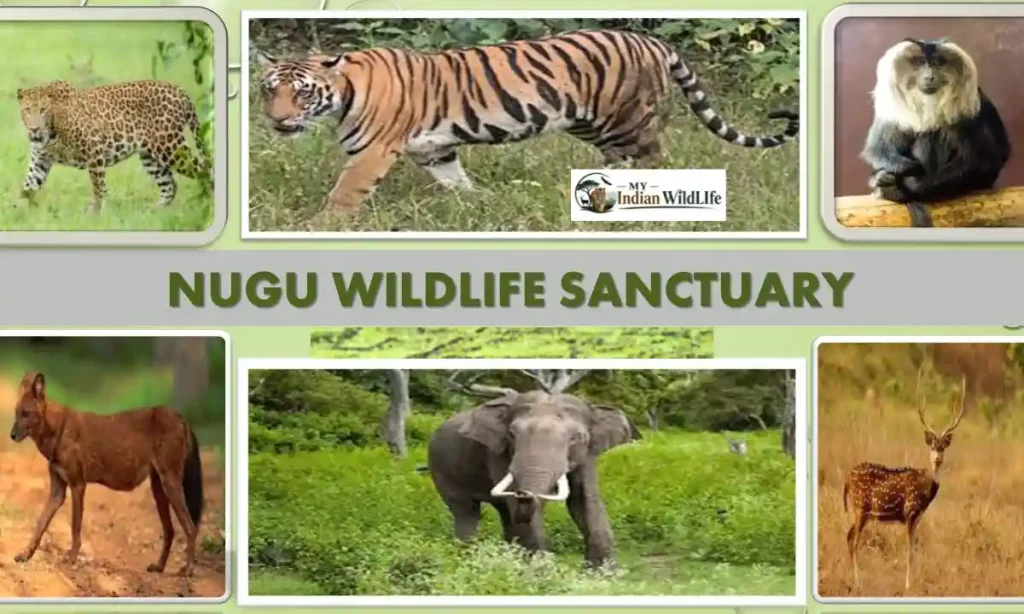
Nugu Wildlife Sanctuary is another wildlife spot in the state of Karnataka, Mysuru district that belongs to the southern Karnataka forest system. The significance of the Nugu Wildlife Sanctuary lies in its elephant habitat and relation with the bigger Nilgiri-Bandipur ecosystem. It is not a popular wildlife destination like the others and is more suitable for tourists who would like to spend time in the forests and learn about wildlife and nature.
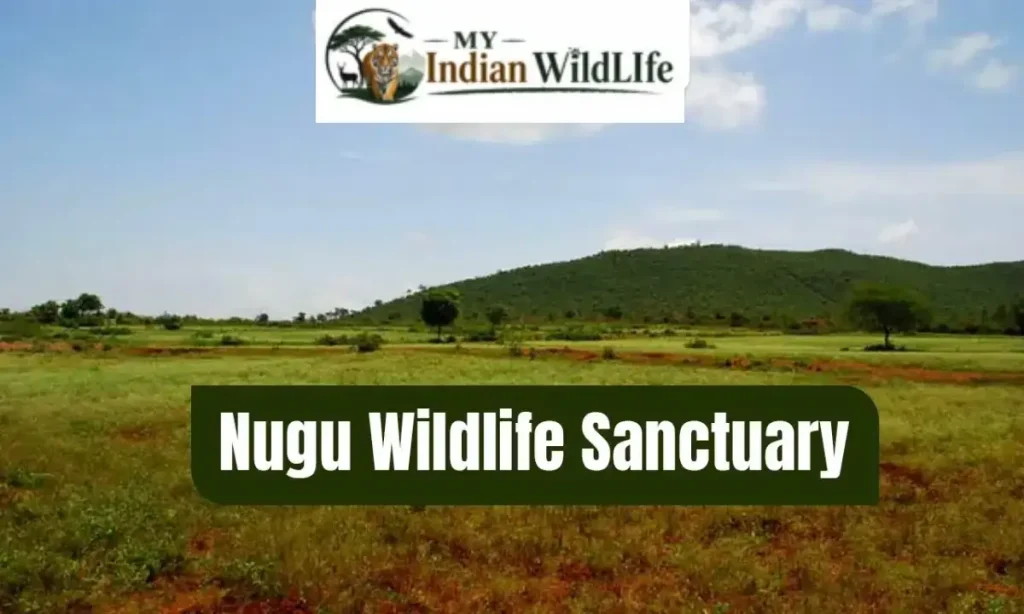
The area covered by the sanctuary is approximately 30.32 sq km. The wildlife sanctuary in Nugu is established in 1974. The land formation of the sanctuary consists of dry deciduous and scrub vegetation, open spaces and Nugu Reservoir. The fauna includes many mammals, birds and reptiles found in the sanctuary.
It is interesting to note that the Nugu Wildlife Sanctuary can be visited by those who wish to visit a less-frequented area for wildlife exploration. Elephants are important animals here while some of the other animals found here are gaur, sambar, chital, leopard, tiger, wild dog and sloth bear.
Nugu Wildlife Sanctuary – Overview
Nugu Wildlife Sanctuary is found in the Mysuru district of Karnataka State and lies on the northern periphery of Bandipur National Park. It constitutes an important part of the southern India forest complex and is related to the Nilgiri Biosphere Reserve.
While the sanctuary is quite small in comparison to large conservation sites like Bandipur and Nagarhole, its ecological value is far greater than what one may think given its size. The forests serve as home for elephants as well as other animals, while the Nugu Reservoir serves as water source.
| Information | Details |
|---|---|
| Name | Nugu Wildlife Sanctuary |
| Location | Mysuru District, Karnataka |
| Year Established | 1974 |
| Area | Approximately 30.32 sq. km |
| Major Feature | Nugu Reservoir |
| Landscape | Dry deciduous and scrub forest |
| Major Wildlife | Elephant, gaur, leopard, tiger, sambar, chital |
| Important Carnivores | Tiger, leopard and wild dog |
| Best Time to Visit | October to April |
| Nearest Major City | Mysuru |
| Region | Southern Karnataka |
| Biosphere Region | Nilgiri Biosphere Reserve |
Where Is Nugu Wildlife Sanctuary Located?
Nugu Wildlife Sanctuary is located in the Mysuru district of Karnataka and lies in the northern part of the Bandipur wildlife habitat complex. The position makes the sanctuary a part of an important forest system where the animals move and survive.
This wildlife sanctuary is located far from the tourist areas of Karnataka and hence is not very well known among the mainstream tourists. Mysuru can be termed as a key gateway to this area and there are forests like Bandipur in the vicinity of this place.
The presence of the Nugu Reservoir makes the sanctuary unique in terms of its geographical nature. There are forests, water bodies and open landscapes around it which provide a variety of habitats for mammals, birds and other wildlife.
Nugu Wildlife Sanctuary History
The Nugu Wildlife Sanctuary came into being in 1974, and its aim was to preserve the natural forest habitat and the wildlife found there. In time, it has maintained its relevance as part of the state of Karnataka’s system of protected areas.
It is of great importance due to its connections with the wildlife-filled forests of south Karnataka. The Nugu Wildlife Sanctuary acts as a habitat for elephants and other large animals and serves to maintain the larger system of forests around the regions of Bandipur and Nilgiris. The sanctuary also serves to preserve the vegetation and water found in Nugu, which are both very diverse ecosystems.
Nugu Wildlife Sanctuary Area and Geography
The Nugu Wildlife Sanctuary spans about 30.32 sq km. Despite its relatively small size, the sanctuary is composed of forests, scrublands, open areas, and water-based habitats.
The Nugu reservoir forms an important part of the northern boundary of the sanctuary and affects the surroundings as well. Seasonal water sources along with other water sources help in providing habitat to the wildlife, especially during dry periods.
The geography and flora of the Nugu sanctuary represent the geographical features of dry forest regions of Southern Karnataka, which helps in sustaining herbivorous animals like gaur, sambar, and chital.
Flora of Nugu Wildlife Sanctuary
The plant life in Nugu Wildlife Sanctuary mainly belongs to dry deciduous and scrub forests. The relatively dry nature of the area determines the plants growing in this habitat.
Some of the plant species that have been observed in this sanctuary and its surroundings are those that serve as food sources as well as shelters for wildlife. Plants and vegetation help in keeping the soil stable and moisture-filled for animal life.
Some of the plant species in Nugu Wildlife Sanctuary include Anogeissus latifolia, Emblica officinalis, Santalum album, Albizia species, and Dendrocalamus strictus. The vegetation depends on the nature of soil and availability of water.
Fauna of Nugu Wildlife Sanctuary
One of the main features of Nugu Wildlife Sanctuary is that it is home to a herd of Asian elephants. The elephant is considered one of the key animals in the wildlife sanctuary, and the forests provide an ideal environment for the elephants.
Besides elephants, the sanctuary has various other herbivores and carnivores. Some of the herbivores include gaur, sambar, and chital, while some of the carnivores include tiger, leopard, and wild dog.
Mammals Found in Nugu Wildlife Sanctuary
| Mammal | Importance |
|---|---|
| Asian Elephant | One of the sanctuary’s most important wildlife species |
| Tiger | Major apex predator of the landscape |
| Leopard | Adaptable forest carnivore |
| Wild Dog/Dhole | Social carnivore found in the region |
| Sloth Bear | Forest-dwelling mammal |
| Gaur | Large wild bovine |
| Sambar | Important large deer species |
| Chital | Common spotted deer |
| Four-horned Antelope | Forest ungulate |
| Wild Pig | Common forest mammal |
Birds Found in Nugu Wildlife Sanctuary
The forest and reservoir areas also offer suitable habitat for many kinds of birds. Bird watchers can spot many birds that are typically found in woodlands, grasslands, and wetlands.
Birds found in the area are grey-headed fishing eagle, grey junglefowl, hoopoe, Brahminy kite, Indian robin, common teal, lesser yellownape, and black drongo. The water habitats in and around the reservoir could also support egrets and other aquatic birds.
Reptiles and Aquatic Wildlife
There is presence of aquatic and semi-aquatic animals in the water bodies found around Nugu. The marsh crocodile species has been sighted in the water bodies of Nugu Wildlife Sanctuary, while the smooth-coated otter is associated with the presence of appropriate water bodies.
They contribute yet another ecological aspect of Nugu Wildlife Sanctuary. This is because the presence of forest and water habitat gives value to the sanctuary for both terrestrial and aquatic species.
Nugu Reservoir
Nugu Reservoir is one of the unique landmarks in the sanctuary. The reservoir takes up some land at the northern end of the sanctuary and affects both the scenery and the habitat of wildlife surrounding the location.
It is also vital to note that water sources are essential during the dry season because natural water sources become scarce, causing the wildlife to head towards any available water sources.
The reservoir makes up for an interesting landscape because there is an interaction between the forest, open land, and water sources. Nonetheless, it is advisable for visitors to know that the wildlife areas around the reservoir are still protected locations.
Wildlife Safari at Nugu Wildlife Sanctuary
The Nugu Wildlife Sanctuary is much less known in comparison to other wildlife reserves such as the Bandipur and Nagarhole. Its prime feature is its natural forest setting as well as its quiet wildlife setting. The elephant habitat of the sanctuary plays a very crucial role here, apart from other species of animals.
One has to bear in mind the fact that facilities related to tourism and safaris at the Nugu are somewhat limited in comparison to the tiger reserves. Safaris, paths for tours, and timings of visiting may vary depending on the regulations of the forest department. Thus, it would be better to find out about the present arrangements before coming for the trip.
Safari Experience
Wildlife viewing at Nugu should focus on enjoying the forest ecology rather than being assured of spotting one specific species of animal. The dry forest, clearings, and water sources provide various ecosystems for the wildlife to be seen at times.
The early mornings are always a good time to view wildlife due to low temperatures and high activity level in most of the animals. Visitors must keep quiet and stay within authorized boundaries.
Wildlife You Can Spot During Safari
It is possible that depending on the time of the year and luck, one can come across such animals as elephants, gaur, chital, sambar, wild boar, etc. Carnivores like leopards, dhole, tigers are also known to occur in the area but their presence cannot be guaranteed.
| Wildlife | Chance/Importance |
|---|---|
| Asian Elephant | Major attraction of the sanctuary |
| Gaur | Important large herbivore |
| Chital | Frequently associated with dry forests |
| Sambar | Large deer species |
| Wild Pig | Forest-dwelling mammal |
| Leopard | Elusive carnivore |
| Wild Dog | Social predator |
| Sloth Bear | Nocturnal and elusive species |
| Tiger | Present in the wider protected landscape |
Things to Do at Nugu Wildlife Sanctuary
Nugu Wildlife Sanctuary is ideal for tourists who are nature and wildlife lovers and like serene forest atmosphere. Being less commercialized compared to other wildlife destinations in Karnataka, Nugu Wildlife Sanctuary should be enjoyed as it is without any expectation of tourist facilities.
Wildlife Watching
Animal watching forms the main purpose for visiting Nugu landscape. Elephants hold a lot of significance, but animals such as gaurs, deers and other herbivores can also be seen. Animals are sighted based on climatic condition, seasons and movements. There is no assurance of seeing any particular animal since the sighting depends on various factors.
Birdwatching
The presence of forest, grassland and the Nugu Reservoir makes it possible to find various bird species. In the morning, bird watching is recommended since birds tend to be more active at cooler times of the day. Those who would like to take pictures of birds need to have a binocular or an appropriate camera lens.
Nature Photography
There are various chances of nature photography in Nugu Forests including Reservoir, vegetation, and wildlife. Landscape photography may particularly be fun near the water body and edges of the forest. One should strictly comply with the local forest rules while photographing. One must not try to approach or disturb the wildlife in any manner.
Exploring the Forest Landscape
The sanctuary’s dry deciduous trees and peaceful surroundings give it a natural setting that is attractive to tourists. Forest tours must be conducted within officially allowed regions only. It is recommended that the tourist does not tour the forbidden forest region or do any trekking on their own within wildlife-protected areas.
Nugu Wildlife Sanctuary Timings
A universal published time of visitation does not exist that can be taken as the official visiting hours for the sanctuary as a whole. Visiting timings differ depending on the forest department guidelines and the particular region that needs to be visited. For safari tours or wildlife tours, it would be wise to check the local visiting times beforehand.
| Visitor Information | Details |
|---|---|
| Sanctuary | Nugu Wildlife Sanctuary |
| Morning Visit | Subject to authorised access |
| Afternoon Visit | Subject to authorised access |
| Safari Timing | Depends on current forest arrangements |
| Entry Restrictions | May apply in protected areas |
| Advance Confirmation | Recommended |
Nugu Wildlife Sanctuary Entry Fee
The entry cost of the Nugu Wildlife Sanctuary has to be verified with the Karnataka Forest Department or the respective local entry point before making a trip to the sanctuary. In contrast to other popular wildlife tourism sites that have an existing online booking facility along with safari charges that are regularly published, Nugu has limited information available for visitors. The relevant costs will also be determined by the purpose of the visit, mode of transport, or tour guide.
Best Time to Visit Nugu Wildlife Sanctuary
From October to April, it is seen that this is the best season for the tourists to visit Nugu Wildlife Sanctuary because during this season, weather is relatively pleasant and wildlife viewing is quite enjoyable as well. Moreover, the dry season can help to make it easy for the tourists to observe wildlife because they may gather around the source of water. But during summers, temperature is not so pleasant.
Nugu Wildlife Sanctuary in Summer
Generally speaking, summer months are usually characterized by high temperatures and a lack of rainfall in this region of Karnataka. Shrubs tend to become sparser in some places, and the wildlife relies on existing sources of water.
While this might increase the probability of wildlife sightings in proximity to water sources, the heat will make travelling difficult. It is better to travel early in the morning.
Nugu Wildlife Sanctuary in Monsoon
Monsoon changes the scenery around through new growth of plants and greenery in the forest. It is also quite scenic when there is rain. But too much rain can impact the roads and movement of animals. It is recommended that travelers first check the weather conditions for a monsoon visit.
Nugu Wildlife Sanctuary in Winter
The winter season is relatively easy and comfortable for visits to Nugu. The weather is not harsh during the time and therefore enables people to view wildlife at the early hours comfortably. Late monsoon until winter provides the green environment, and then as the season progresses and the environment becomes dry, wildlife viewing becomes increasingly fun and enjoyable.
How to Reach Nugu Wildlife Sanctuary
The Nugu Wildlife Sanctuary is best visited via road travel once you arrive at the Mysuru region. Mysuru is the closest city that offers rail, road, and air transport facilities to travelers arriving from various parts of the country. Since the entry points into the forests can vary, visitors must verify the authorized entry point before making the last portion of their journey.
By Air
Mysuru Airport is the closest airport available to the city, but there is limited connectivity by air. Passengers who require better connectivity can opt for Kempegowda International Airport located in Bengaluru and travel further by road. The route via Bengaluru requires a longer road distance but would be more favorable for travelers who arrive at places that have fewer direct flights to Mysuru.
By Train
The railway station at Mysuru Junction is the best way to reach the Nugu region via rail route. The city of Mysuru is easily accessible via rail route from various major cities of Karnataka as well as other parts of India. Via Mysuru Railway Station, travelers can take a taxi to proceed further toward Nugu Wildlife Sanctuary.
By Road
The only viable means of accessing the Nugu Wildlife Sanctuary is road travel. Mysuru can serve as a good starting point on the way to the sanctuary. Visitors from Bengaluru and other parts of Karnataka can travel to the Nugu Wildlife Sanctuary using road routes to the Mysuru region first. The route needs to be verified beforehand since there can be changes to forest routes and access points.
Nearest Airport to Nugu Wildlife Sanctuary
The closest airport available would be Mysuru Airport, whereas Kempegowda International Airport of Bengaluru usually offers better connectivity through flights.
| Airport | Approximate Travel Consideration |
|---|---|
| Mysuru Airport | More convenient geographically |
| Kempegowda International Airport, Bengaluru | Better flight connectivity but farther by road |
Actual road distance and journey time depend on the selected entry point and current road conditions.
Nearest Railway Station to Nugu Wildlife Sanctuary
The Mysuru Railway Station happens to be the most helpful railway station in the case of people intending to go to Nugu Wildlife Sanctuary. Travelling from Mysuru onwards needs to be done through the road route. For people travelling by train, taking help of a car service beforehand can prove to be helpful, especially in case they are travelling with their families.
Nearest Bus Stand to Nugu Wildlife Sanctuary
The important transport node from where one could commence traveling through roads to nearby villages and towns is the Mysuru Central Bus Station in Mysuru. There could be a chance that no public bus service goes directly from anywhere up to the authorized entry point of the sanctuary. In such a case, the use of both public transport and local taxis could be considered.
Nugu Wildlife Sanctuary Location and Maps
Nugu Wildlife Sanctuary is found in Mysuru district in Karnataka, situated in the northern part of Bandipur National Park. The location of the park makes it one of the most important wildlife locations in southern India due to connectivity. In writing an article about travel, the Google Map should be included right after this section because visitors will be able to know where the sanctuary is before proceeding to other attractions.
Places to Visit Near Nugu Wildlife Sanctuary
Bandipur National Park
Bandipur Wildlife Sanctuary is one of the top attractions for wildlife tourists in Karnataka, and it falls within the larger forest area of Nugu. Some animals that can be found here include elephants, tigers, leopards, gaur and many others. For the nature-loving tourists, there are chances to explore southern Karnataka’s forests by visiting both Nugu and Bandipur together.
Mysuru
Mysuru serves as an important cultural and tourism destination in Karnataka. It is known for the Mysore Palace, heritage structures, marketplaces, and cultural traditions. Mysuru also makes an ideal starting point for tourists visiting the wildlife destinations in southern Karnataka.
Nugu Dam
The Nugu Dam and its Reservoir are some of the key geographical elements in the location. It creates a difference from the nearby dry forests, and adds to the ecological diversity of the region. Visitors are supposed to adhere to the restrictions within the area of the dam and its reservoir.
Nagarhole National Park
Nagarhole National Park is yet another wildlife attraction in Karnataka. This place houses a forest ecosystem that hosts elephants, tigers, leopards, gaur, deer and many kinds of birds. This wildlife reserve in Karnataka may also be included in the Karnataka wildlife tourism package but tourists need to make travel plans separately.
Hotels Near Nugu Wildlife Sanctuary
Nugu Wildlife Sanctuary exists in an area that is not very developed in terms of wildlife tourism, so there are accommodation facilities found in towns close to the sanctuary or in the Mysuru region. Mysuru is the closest place for tourists that require a variety of accommodation facilities.
Travelers who require a serene environment may choose the option of accommodation within the villages around and other wildlife sites nearby. The best approach would be for them to check the exact distance from the entrance to the sanctuary.
Nugu Wildlife Sanctuary Travel Tips
Visiting Nugu Wildlife Sanctuary will require some prior preparations compared to highly commercialized wildlife spots. The presence of limited facilities for the visitors necessitates bringing along some essentials and checking out whether access has been sorted out before the trip begins.
The sanctuary is a protected wildlife habitat, and hence tourists should consider conservation and listen to directions from forest officers while on tour. It should be noted that there is no guarantee of spotting any wild life; however, this should be an interesting experience in itself.
Important Travel Tips
- Check the latest entry and visitor arrangements before travelling.
- Confirm whether authorised safari or guided activities are available.
- Carry sufficient drinking water.
- Wear comfortable and weather-appropriate clothing.
- Carry binoculars if wildlife and birdwatching are your main interests.
- Avoid loud music and unnecessary noise.
- Do not feed or approach wild animals.
- Do not litter inside or around the forest.
- Avoid carrying single-use plastic wherever possible.
- Follow the instructions of forest officials and guides.
- Do not enter restricted forest areas.
- Keep emergency and local contact information available.
Rules and Safety Guidelines
Nugu Wildlife Sanctuary is a protected natural habitat, and the visitors need to abide by the guidelines regarding wildlife and the forest. The guidelines are formulated to minimize disturbances to the wildlife and also keep the visitors safe from any dangerous situations. The visitors are advised to stay in the authorized places and must not try to go near the elephants, leopards, bears, or other wild animals under any circumstance.
Wildlife Safety Rules
Keep Your Distance: Do not come near wildlife for taking photos or getting a better view of them.
Do Not Feed Wildlife: Feeding wildlife can affect their natural behavior and lead to human-wildlife conflict.
Stay Away From Noise: Loud music, shouting, and excessive use of vehicle noise can disturb wildlife.
Adhere To Forest Guidelines: The guide and forest officials know about wildlife movements and prohibited zones.
Do Not Litter: Plastics, food waste, and littering affect wildlife and natural surroundings.
Do Not Get Out of The Vehicle Without Permission: During authorized wildlife tours, stay in your vehicle unless the officials specifically allow you.
Avoid Obstructing Animal Movements: Never obstruct the way of an animal by your vehicle or try to move the animal in a specific position for photography.
Is Nugu Wildlife Sanctuary Worth Visiting?
There are many tourists who like to go to some less-known destinations with abundant wildlife rather than very popular tourist spots. For such tourists, Nugu Wildlife Sanctuary could be a good choice due to its elephant habitats, dry forests, reservoirs and location in the Nilgiri bio region.
But Nugu may not suit those tourists who want to have a well-arranged safari with lots of facilities for tourists and also want to see tigers there. For those tourists who are already visiting other nearby destinations like Mysuru, Bandipur etc., Nugu could become a part of their tour in south Karnataka.
Nugu Wildlife Sanctuary vs Bandipur National Park
Though both locations are linked to the wildlife-filled scenery of Southern Karnataka, the visitor experience may be entirely different.
| Feature | Nugu Wildlife Sanctuary | Bandipur National Park |
|---|---|---|
| Tourism Popularity | Relatively lesser known | Highly popular |
| Major Attraction | Elephant habitat and natural landscape | Tigers, elephants and diverse wildlife |
| Area | About 30.32 sq. km | Much larger protected landscape |
| Tourism Infrastructure | Comparatively limited | More developed |
| Safari Experience | Limited/subject to authorised arrangements | Established wildlife tourism |
| Crowds | Generally lower | Higher during peak seasons |
| Best For | Quiet nature exploration | Dedicated wildlife and safari trips |
Nugu is thus more suited to tourists seeking out a less commercialized area, whereas Bandipur would be better suited for those who plan on going on a safari.
Why Should You Visit Nugu Wildlife Sanctuary?
Nugu Wildlife Sanctuary provides the chance to experience the tranquil facet of wildlife in Karnataka. The elephant sanctuary is one of the most unique aspects of the sanctuary, and other animal life such as gaur, deer, leopard, wild dog, among others also thrive in the area.
The existence of Nugu Reservoir gives the area its uniqueness. A combination of forest and water ecosystem in one place makes ideal conditions for mammals, birds, and aquatic life.
Other factors making Nugu special are its location in relation to the ecology of southern India. It could be part of a wider wildlife tour plan in areas like Mysuru and Bandipur.
Conclusion
The Nugu Wildlife Sanctuary is one of the less known wildlife sanctuaries in Karnataka that should be visited because of its ecological significance and tranquil natural environment. This sanctuary was founded back in 1974 and occupies an area of about 30.32 square kilometres. Elephants are especially important for this sanctuary.
Dry deciduous forests, scrub and Nugu Reservoir are the characteristic features of the landscape that are beneficial for the wildlife. The animals found in the sanctuary include tigers, leopards, wild dogs, sloth bears, gaur, sambar, chital and numerous birds and fish.
When visiting this place, the first thing you should do is check all the details regarding your entry and possible activities in advance. Nugu is more suitable to explore as a calm nature spot than as a standard mass tourism safari park.
FAQs
Where is Nugu Wildlife Sanctuary located?
Nugu Wildlife Sanctuary is located in Mysuru district of Karnataka, in the northern part of the wider Bandipur wildlife landscape.
What is Nugu Wildlife Sanctuary famous for?
Nugu Wildlife Sanctuary is particularly known for its elephant habitat, dry forests, Nugu Reservoir and biodiversity.
What animals are found in Nugu Wildlife Sanctuary?
The sanctuary and its surrounding wildlife landscape support elephants, tiger, leopard, wild dog, sloth bear, gaur, sambar, chital, wild pig and four-horned antelope, among other species.
What is the best time to visit Nugu Wildlife Sanctuary?
The period from October to April is generally considered favourable for visiting and wildlife observation.
Is safari available at Nugu Wildlife Sanctuary?
Safari and tourism access can be more limited than at major wildlife destinations such as Bandipur. Visitors should confirm the current authorised activities and entry arrangements before travelling.
What is the entry fee for Nugu Wildlife Sanctuary?
The applicable entry fee can depend on current forest department arrangements and the type of authorised visit. Visitors should confirm the latest charges locally before planning their trip.
How far is Nugu Wildlife Sanctuary from Mysuru?
Nugu is located within Mysuru district, but the exact driving distance depends on the specific sanctuary access point used. Travellers should check the authorised entry location before calculating their route.
Is Nugu Wildlife Sanctuary near Bandipur?
Yes. Nugu Wildlife Sanctuary lies to the north of Bandipur National Park and forms part of the broader wildlife landscape of southern Karnataka.
Can we see elephants at Nugu Wildlife Sanctuary?
Elephants are one of the most important wildlife species associated with Nugu Wildlife Sanctuary. However, wildlife sightings are unpredictable and cannot be guaranteed.
Is Nugu Wildlife Sanctuary good for families?
It can be suitable for families interested in nature and wildlife, provided they follow all forest regulations and plan the trip according to the current visitor facilities and access arrangements.
Is Nugu Wildlife Sanctuary suitable for birdwatching?
Yes. The forest, open habitats and Nugu Reservoir provide opportunities to observe different species of birds, particularly during the morning hours.
How much time is needed to explore Nugu Wildlife Sanctuary?
A short visit can be planned around the authorised visitor activities, while travellers combining Nugu with Bandipur, Mysuru or other nearby attractions should consider a longer itinerary.
Can I visit Nugu Wildlife Sanctuary independently?
Visitors should not assume that unrestricted independent access is permitted. Protected forest areas can have specific entry rules, so it is best to follow the current instructions of the Karnataka Forest Department.
Is Nugu Wildlife Sanctuary worth visiting?
Yes, especially for travellers looking for a quiet and less-commercialised wildlife destination and those interested in elephants, forests, birdwatching and the natural landscape of southern Karnataka.
Also,Read About: Maenam Wildlife Sanctuary: Complete Travel Guide, Trekking, Wildlife, Entry Fee & Best Time to Visit