
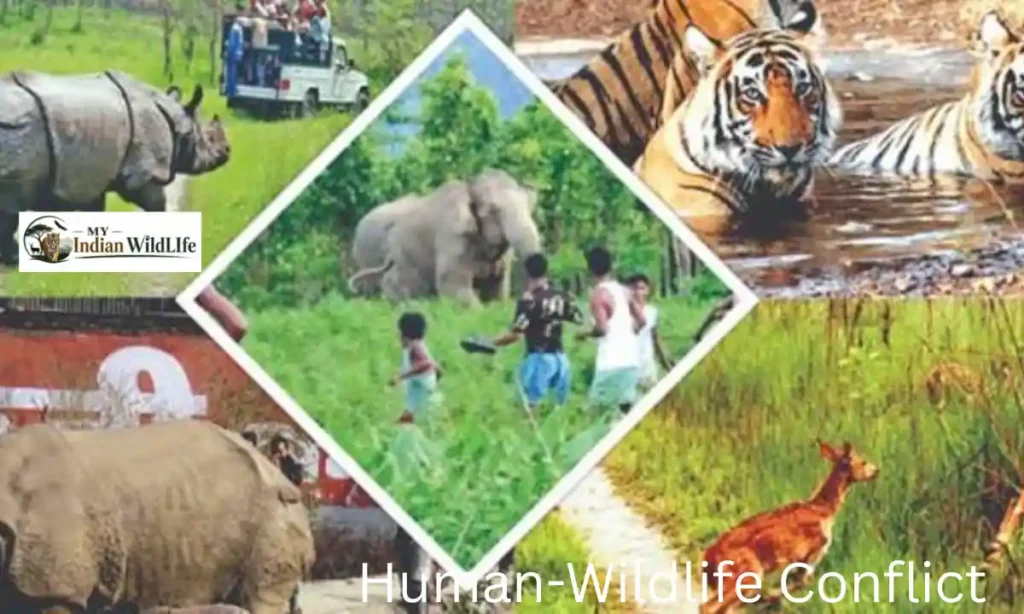
Human-wildlife conflict is a vital conservation issue in and around the Tipeshwar Wildlife Sanctuary. The Tipeshwar Wildlife Sanctuary serves as the natural habitat for wild animals like tigers, leopards, sloth bears, wild boars, deer, among other wildlife. Local people, on the other hand, use the farmland and forest resources. Wild animals that venture out of their natural habitat to find food, water or more territory end up interacting with human beings and livestock. It is important to learn about the consequences of such interactions for both the communities and wildlife conservation.
What Is Human-Wildlife Conflict?
Human-wildlife conflict implies those instances in which the interactions between humans and wildlife lead to negative consequences on both sides. These cases usually occur in places where there are villages, agricultural lands, roads, and forests in close proximity to each other. As the wildlife travels through its habitat in search of food, water, shelter, or appropriate habitat, it might come across the settlements of the people and their agricultural lands.The presence of forests along with agricultural lands in the vicinity of Tipeshwar Wildlife Sanctuary makes it possible for there to be interactions between the local people and the wildlife living in that area. Tigers, leopards, sloth bears, wild boars, and herbivores can be included among the large mammals that travel through the region.
Human-Wildlife Conflict in Tipeshwar Wildlife Sanctuary
Tipeshwar Wildlife Sanctuary acts as a habitat for many species of wild animals, whereas the adjoining area is also used for farming as well as other human activities. Such proximity between the habitat of the forest and the human use area may lead to conflicts between human beings and the wild animals.Damage to crops, loss of livestock, and contact with the wild animals may pose challenges for the communities residing in the adjacent areas. On the other hand, wild animals may also be at risk due to entering the human habitat from their protected areas of the forest.
Why Does Human-Wildlife Conflict Occur in Tipeshwar?
Human-wildlife conflict is not always caused by a single factor. Land use changes, availability of food and water sources, livestock grazing, human settlement, and migration of wildlife species are some of the factors that may lead to human-wildlife interaction.
Loss of Natural Wildlife Habitat
Suitable habitats are important to wildlife species. The natural habitats may be broken up, or they might be surrounded by human activity zones; hence, wildlife species may not have adequate routes that are safe for their movements. Consequently, encounters with wildlife may increase.
Expansion of Agricultural Land
Farms situated near forests have a chance of attracting herbivorous animals since the plants grown could offer readily available food for these animals. The attraction of these animals means that there is a chance that predators will follow them nearer the farm areas and villages.
Human Settlements Near Forest Areas
Villages or human settlements that are situated near the edges of forests will encounter wildlife frequently. Wildlife that travels from one location of its habitat to another might pass by areas where humans live and farm.
Shortage of Food and Water
When it is hot and dry, there will be a change in the availability of natural food and water. The animals will travel farther to access the basic needs, thus increasing the chances of meeting humans.
Livestock Grazing in Forest Areas
Grazing of livestock in the vicinity of forests creates a chance for encounters between domesticated animals and wild animals. If livestock ventures into zones where there is a presence of wildlife, chances of losses may arise.
Movement of Wildlife Outside the Sanctuary
Wildlife does not necessarily stay confined to a particular boundary. Wildlife can venture beyond the protected zones in search of food, water, mating partners, territory, or even safe passage. This may bring them close to agricultural lands and settlement zones.
Major Causes of Human-Wildlife Conflict
Habitat Loss and Fragmentation
Change in land use may fragment the natural habitats for wildlife. Fragmentation of forests may mean that the animals will have to move through land used by people to get to sources of food and water.
Agricultural Expansion
Areas where agricultural crops are planted near forests will definitely be attractive to animals, especially the herbivores since the agricultural crops can act as a readily available food source for them.
Availability of Food and Water
Availability of food and water in nature can also affect the migration patterns of the animals. In case of dry and hot weather, animals have to cover more distances for food and water, which makes them come near to human habitats.
Livestock Grazing
The domestic animals being grazed on lands surrounding the forest edges may find themselves face to face with wild predators. This could lead to losses of the livestock and fear amongst the local people.
Human Settlements Near Forests
A village or agricultural community close to the forest area will have more chances of meeting wild animals. The animals can travel around in their natural habitat and come closer to human settlements.
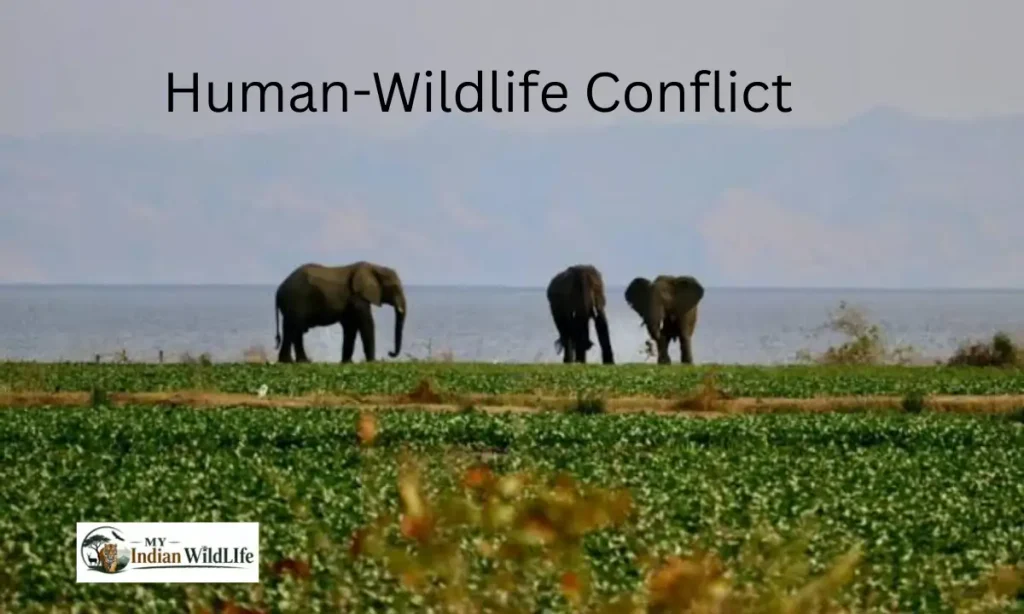
Wild Animals Involved in Human-Wildlife Conflict
Tiger
One of the major carnivores in the Tipeshwar ecosystem is the tiger. The tiger normally avoids interaction with people, although the interactions can arise when the tiger moves through places adjacent to the settlements, farming or rearing of livestock. Conflicts may arise if the livestock gets killed or if the tiger stays in close proximity to human settlements.
Leopard
Leopards are flexible and opportunistic predators which can adapt to a variety of environments. They might be found even in those that are adjacent to human habitations because of their capacity to traverse agricultural and human environments. Among the issues that have been identified when leopards come near human settlements is livestock killing.
Sloth Bear
Sloth bears are another example of species that have the potential to come into contact with humans in the forests and agricultural lands. Sloth bears spend most of their time looking for food in nature like insects, fruits, and other plant materials. However, coming into contact with humans may be risky.
Wild Boar
A wild boar can bring harm to agriculture if it comes into a cultivated field. It will eat plants, which is why a farmer can worry about wild boars that visit his land close to the woods.
Nilgai
Nilgais are herbivores which can move from forest to agricultural land. The feeding behavior of nilgais can harm standing crops, which becomes an economic problem for farmers who live near wildlife zones.
Sambar and Other Deer
Sambar and other deer are some of the herbivores in the forest habitat. However, whenever they stray out of the forest into farmland, they become involved in activities that can result in destruction of crops. It is possible for their existence around farmlands to lure in their predators.
Major Types of Human-Wildlife Conflict
Conflict between humans and wildlife in the vicinity of Tipeshwar Wildlife Sanctuary may adversely impact both humans and wildlife. The form of the conflict would depend on the kind of animal and location where the incident takes place, along with the activities being conducted by humans in the proximity of the forest area. Conflict is basically in three forms.
Crop Damage by Wild Animals
Damage to crops is one of the common issues that occur in farms in close proximity to forests. The herbivorous animals including wild boar, nilgai, and deers may come into the agricultural lands and feed on standing crops. Regular damage to the crops may impact the incomes of the farmers.
Livestock Predation
In some cases, big carnivores like the tiger and the leopard may sometimes attack livestock in case they get near villages or farms. This could be detrimental to the livelihoods of the local people because of the losses they incur due to the death of their livestock.
Wildlife Entering Villages
It is possible that wild animals enter or approach villages in search of food, water, shelter, or a path to another habitat. This can cause fear amongst the villagers, especially if there are predators or sloth bears around.
Human Encounters With Wild Animals
Encounters may occur when individuals traverse through the forest edge regions, when they harvest forest products, work in agricultural lands, or move their livestock. Such close interactions with wild animals like the sloth bear and leopard may pose dangers for both the animals and the individuals.
Damage to Property and Agricultural Areas
In instances where wildlife ventures into human occupied space, they might cause harm to crops, fences, and other agricultural infrastructure. Despite the varying levels of destruction caused by these animals from one place to another, there might be another burden for communities living near such animal territories.
Impact of Human-Wildlife Conflict on Local Communities
Conflicts between humans and wildlife may have various impacts on the community surrounding the protected area in terms of economic, social, and safety considerations. Thus, the protection of the people’s livelihood alongside their safety is essential to any conservation effort.
Loss of Crops and Livelihood
The presence of wild animals on agricultural land may destroy crops, thus resulting in reduced yield. Crop loss for agricultural households may have an impact on their livelihood, thus increasing the economic pressure caused by proximity to the wildlife.
Livestock Losses
Livestock may become a valuable source of livelihood for people in the countryside. The predation of livestock by animals like leopards and tigers might lead to economic losses for people. The fear generated from such situations makes it a concern for keeping livestock adjacent to forests.
Safety Concerns
Accidental encounters with wild animals may pose some safety risks to individuals working on farms, traveling in areas close to forests or herding animals for grazing. Understanding the movements of wild animals and adhering to safety guidelines from forest authorities may lessen the chances of accidents.
Economic Impact on Farmers
The cumulative effect of crop destruction, livestock depredation, and extra cost incurred in taking precautionary steps may cause economic problems for the agricultural community. In this regard, any efficient conflict management program should take into account not only wildlife protection but also the survival needs of local people.
Social Impact on Local Communities
Interaction with the wildlife repeatedly can affect the perception of communities about the forests near to them and wildlife conservation. Good communication and timely information regarding movement of animals and involvement of the local community in wildlife conservation can create better relations between the two.
Injury and Death of Wild Animals
Conflict situations may lead to the injury or death of wild animals, particularly if they come into contact with human beings in locations that are not part of their normal territory. Wild animals might face risks due to road accidents, traps, electrocution, and other human causes as well.
Retaliatory Actions
When people experience losses like crop damage or losses of livestock or other troubles, then their frustrations with the wildlife may rise. In some cases, the affected wildlife may be subjected to retributive behavior. This can be prevented by taking certain steps.
Disruption of Wildlife Movement
There are instances where human activities such as construction of human settlements, farms, and roads can affect the movement of animals. The animals can face difficulty moving from one forest habitat to another forest habitat due to this problem.
Increased Stress on Wild Animals
Continuous human activity and meeting each other may affect wild animals. It is possible that continuous disturbance may affect their regular movements, feeding, and resting behavior. Creating good habitats and movement corridors may help to prevent unnecessary human-wildlife meetings.
How Human-Wildlife Conflict Can Be Reduced
Mitigation of conflicts between humans and wildlife in the vicinity of the Tipeshwar Wildlife Sanctuary needs collaboration among forest officials, the community and conservationists. The goal here is to minimize hazardous interactions while ensuring the free movement of animals in their natural habitat.
Protection of Wildlife Habitats
The protection of forests and crucial habitats for animals could help the animals get their food, water, and shelter from the natural environment. Good habitat reduces the need for the animals to frequently move into farms and human settlements.
Maintaining Wildlife Corridors
Wildlife corridors are safe passage ways between various forests. Conservation of such corridors could help the animals move about without the need to go through villages, roads and farms.
Better Forest Monitoring
Wildlife tracking can assist in identifying hotspots of conflict. Camera traps, field visits, and data from local communities will assist in responding promptly to any cases in which the animals start moving closer to human habitation.
Early Warning Systems
Timely information regarding the presence of the wildlife near the villages or agricultural farms is important in ensuring that people make necessary preparations. This would be very important where there are large carnivorous animals or other dangerous animals.
Protection of Crops and Livestock
Farmers can employ the right kind of fencing, animal shelters, among other locally relevant strategies, in order to lower their losses. Holding domesticated animals in enclosed areas, particularly during night time, is another way of minimizing attacks on livestock.
Compensation for Losses
Timely compensation for proven crop and livestock losses can provide affected families with ways to deal with the economic effects of such encounters. This kind of provision can also be an incentive for communities to be involved in wildlife conservation.
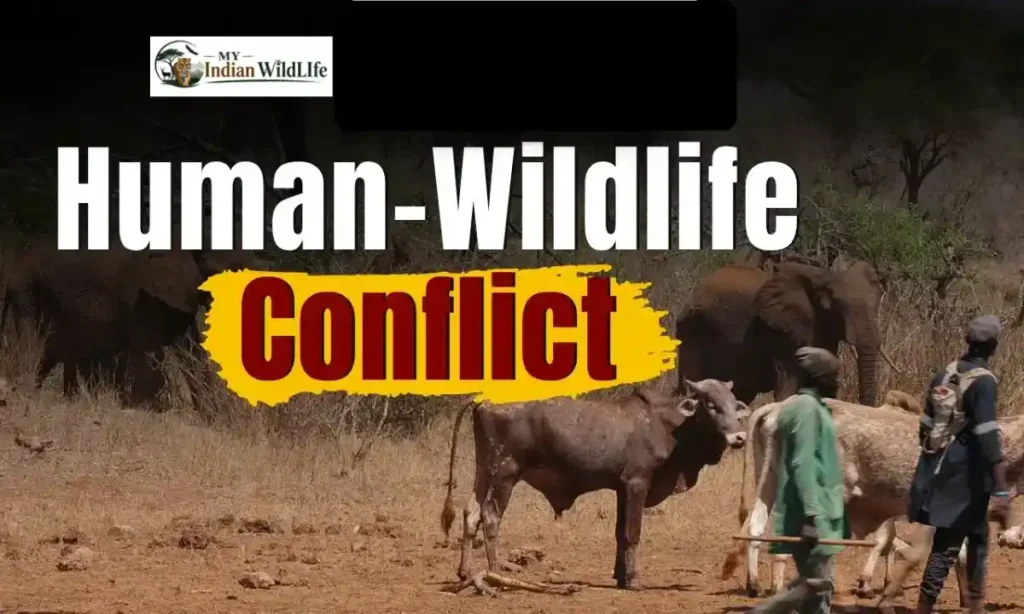
Community Awareness Programs
Regular awareness programs can teach the villagers on how to react in case they see animals in their villages or farms. This is important since one understands the behavior of the animals and therefore avoids conflict.
Local Community Participation
The local community is also an essential factor for conflict management to be successful. The information regarding wildlife migration, agricultural lands, and seasonality can assist officials in detecting conflict hotspots and implementing conservation strategies.
Wildlife Monitoring and Patrolling
Forest patrols will enable government agencies to monitor the migration of wildlife and also the spots where they tend to move closer to villages and farms. Monitoring will help the authorities take action in time if there is a conflict scenario.
Rescue and Response Teams
Once an animal has found its way into the human environment, forest workers who have received training are able to evaluate the situation and respond accordingly. The rescue team is able to assist in crowd control and deal with the animal.
Awareness Among Local Communities
The Forest Department can organize awareness programs in the villages situated near forests. People can be educated on how to behave properly around wild animals, what safety measures should be taken while working in the field, and the need for sighting rather than disturbing the animal.
Compensation and Support
However, in cases where eligible residents incur losses due to the wildlife population, government compensatory programs may come to their aid based on existing regulations. This would ease the economic strain for those affected individuals.
Coordination With Local Communities
Efficient conflict management necessitates communication between forest officers and locals. Information collected by the locals regarding animal movements, damaged crops, and attacked livestock could be useful in identifying conflict zones and formulating strategies accordingly.
Managing Wildlife Emergencies
While dealing with wildlife in a more serious way, the need of the hour is to ensure safety of both human beings and wildlife. The forest department may evaluate the situation, restrict public movements around the animal, and take necessary action depending upon the species involved.
How to Reach Tipeshwar Wildlife Sanctuary
The Tipeshwar Wildlife Sanctuary is located in the state of Maharashtra in the district of Yavatmal. This wildlife sanctuary can be accessed through various means such as road, railway, and even airways. One of the main access points for this wildlife sanctuary is the town of Pandharkawada. Whether you use roadways or another means of transportation, it really depends on where you come from.
How to Reach Tipeshwar Wildlife Sanctuary by Road
Tipeshwar Wildlife Sanctuary is very well connected via road to Pandharkawada as well as other surrounding towns. For those who wish to visit the sanctuary using road transport, they will be able to reach the sanctuary using the road transport available in the vicinity of Yavatmal district. Using road transport is ideal especially for safari visitors.
How to Reach Tipeshwar Wildlife Sanctuary by Train
The closest railway station can also be utilized by tourists who come to visit from other places in Maharashtra and neighboring states. Once at the desired railway station, tourists can travel further on to Pandharkawada and Tipeshwar Wildlife Sanctuary through taxi or any other means of transport.
How to Reach Tipeshwar Wildlife Sanctuary by Air
Dr. Babasaheb Ambedkar International Airport is the nearest big airport. After landing at Nagpur, tourists may move to Tipeshwar via road transport. Using personal taxis or cars for transportation is one of the most comfortable methods of going to the wildlife sanctuary.
Nearest Railway Station to Tipeshwar Wildlife Sanctuary
Travelers may also have access to railway stations from the larger Yavatmal and Nagpur area and proceed with road travel towards the sanctuary. The selection of the railway station will depend upon the train travel and starting point of the traveler.
Nearest Airport to Tipeshwar Wildlife Sanctuary
The Nagpur airport is the closest airport that is frequently accessed by tourists visiting Tipeshwar Wildlife Sanctuary. The airport offers air linkages to many big Indian cities from where the rest of the trip may be undertaken by road.
Distance of Tipeshwar Wildlife Sanctuary From Major Cities
| Starting Point | Approximate Distance |
|---|---|
| Nagpur | Around 170 km |
| Yavatmal | Around 75–80 km |
| Pandharkawada | Around 20–25 km |
| Amravati | Around 165 km |
Local Transport to Tipeshwar Wildlife Sanctuary
As soon as they arrive at Pandharkawada or some other neighboring town, the visitors can take the services of a private vehicle or taxi to reach the gate required for entering the sanctuary. It should be kept in mind that there are several gates at Tipeshwar.
How to Reach Tipeshwar Safari Gates
There are three gateways to Tipeshwar Wildlife Sanctuary: Sunna, Mathani, and Kodori. One needs to keep the safari booking in mind to know which is the designated entrance point, since punctuality at the gate is essential as entry is done within the permissible timings of the sanctuary.
Human-Wildlife Conflict Location & Google Maps
The conflict between humans and wildlife at Tipeshwar Wildlife Sanctuary happens mostly along the edges of forests, villages, and agriculture lands. The following map of Google will help readers locate the wildlife sanctuary and understand conflict zones in its vicinity.
Conclusion
Human-wildlife conflict in Tipeshwar Wildlife Sanctuary is one issue that needs to be addressed by the local community and the wildlife. Habitat protection, creating awareness, wildlife monitoring, and helping the affected community will go a long way in ensuring that human-wildlife conflict is reduced. A proper balance will lead to coexistence and conservation of the sanctuary’s natural ecosystem.
Faqs
What is human-wildlife conflict?
Human-wildlife conflict occurs when interactions between people and wild animals cause risks, damage, or losses to either side.
Why does human-wildlife conflict occur in Tipeshwar?
It can occur when wildlife moves near villages, farms, roads, or livestock areas while searching for food, water, shelter, or suitable habitat.
Which animals are involved in human-wildlife conflict?
Animals such as tigers, leopards, sloth bears, wild boars, nilgai, and deer may come into contact with human activities around forest areas.
Can wild animals damage crops near Tipeshwar?
Yes, herbivores such as wild boars, nilgai, and deer may enter agricultural fields and feed on crops.
Can livestock be affected by wildlife?
Yes, livestock may sometimes be attacked by predators such as leopards or tigers when they move close to forest-edge areas.
How can local people stay safe around wildlife?
People should maintain a safe distance, avoid approaching or surrounding wild animals, and follow instructions from forest authorities.
What should people do if they see a wild animal near a village?
They should stay away from the animal, avoid creating a crowd, and promptly inform the local Forest Department.
How can human-wildlife conflict be reduced?
Habitat protection, wildlife monitoring, community awareness, secure livestock shelters, and timely response can help reduce conflict.
What is the role of the Forest Department?
The Forest Department monitors wildlife, responds to conflict situations, conducts awareness programmes, and supports appropriate conflict-management measures.
Why is human-wildlife coexistence important?
Coexistence helps protect local communities while allowing wildlife to survive in its natural habitat and supporting long-term conservation.
Also,Read About: Wildlife Institute of India: History, Courses, Research, Admission & Complete Guide