
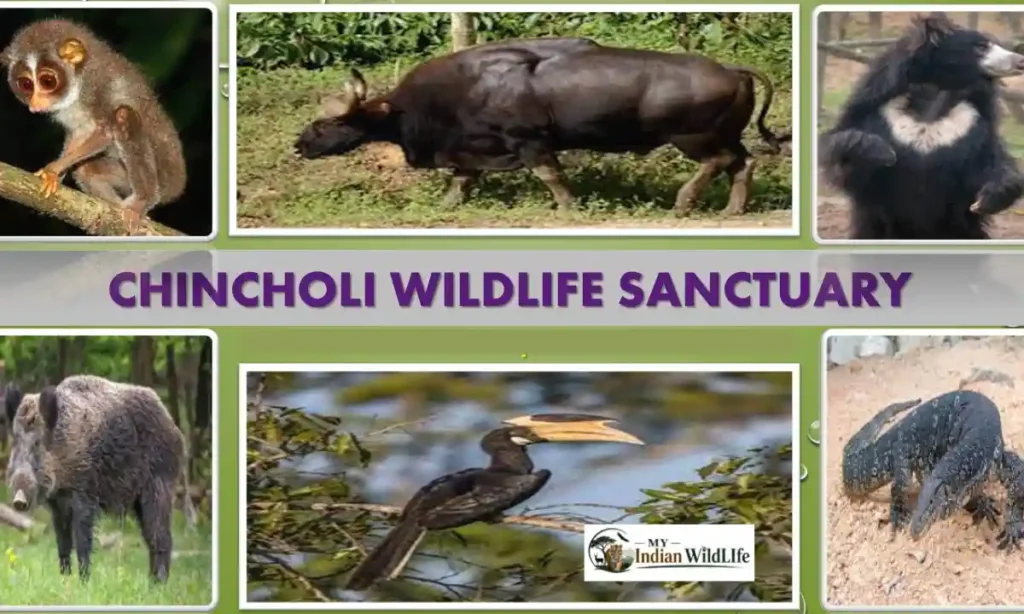
Chincholi Wildlife Sanctuary is an ideal natural spot to visit in the Kalaburagi district of Karnataka. The sanctuary has gained popularity for its dryland forests, rock formation, diverse flora, and fauna. Unlike other forest spots that feature dense greenery, Chincholi has a totally different environment with dry deciduous vegetation. It is also one of the most attractive spots for nature lovers, wildlife lovers, photographers and those who want a serene break from the hustle and bustle of everyday life.
Where Is Chincholi Wildlife Sanctuary Located?
Chincholi Wildlife Sanctuary can be found in Chincholi Taluk, located in Kalaburagi District of the state of Karnataka. This wildlife sanctuary has significance as a natural landscape in the northern part of the state. It covers a vast stretch of dryland forests with surrounding hills, rivulets, rocky areas and villages providing a diverse natural environment to its wildlife population. The wildlife sanctuary also enjoys scenic value due to Chandrampalli Dam.
Chincholi Wildlife Sanctuary Overview
| Particular | Details |
|---|---|
| Name | Chincholi Wildlife Sanctuary |
| Location | Chincholi Taluk, Kalaburagi, Karnataka |
| District | Kalaburagi |
| State | Karnataka |
| Area | About 134.88 sq km |
| Established | 2011 |
| Type | Wildlife Sanctuary |
| Landscape | Dryland forest, hills and rocky terrain |
| Major Vegetation | Dry and moist deciduous forest |
| Famous For | Dryland ecosystem, wildlife and natural scenery |
| Nearby Attraction | Chandrampalli Dam |
| Ideal For | Wildlife, nature, photography and sightseeing |
History of Chincholi Wildlife Sanctuary
The Chincholi Wildlife Sanctuary was designated a wildlife sanctuary in 2011. This place was chosen due to its ecological significance along with the rich flora and fauna that exist there due to the presence of a dryland ecosystem. It is one of the most significant places when it comes to conservation of natural forests of northern Karnataka. In recent years, it has gained recognition for visitors looking for wildlife sanctuaries outside of popular national parks.
Why Is Chincholi Wildlife Sanctuary Famous?
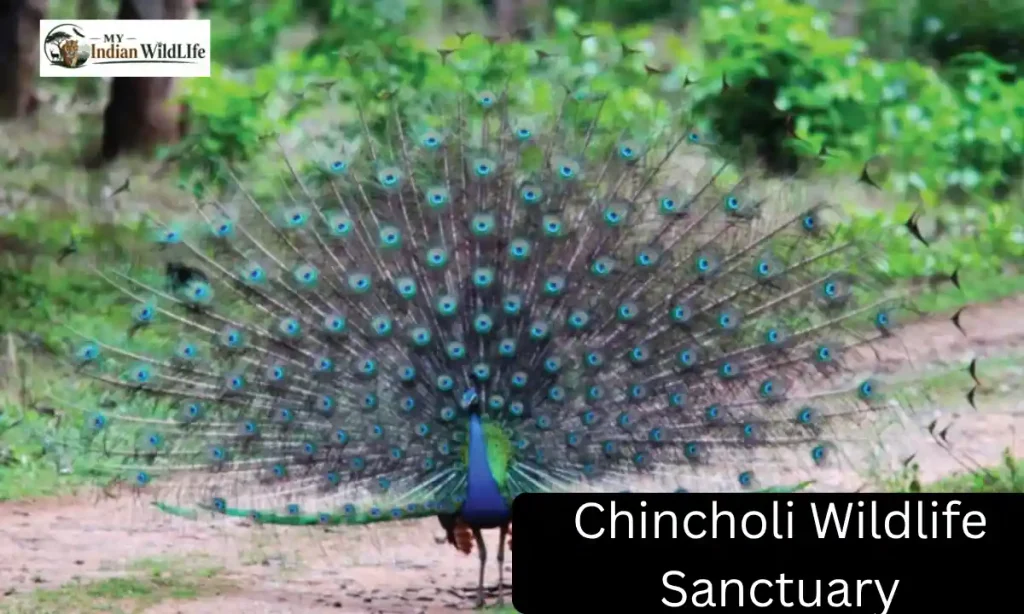
The Chincholi Wildlife Sanctuary is well known for being a dryland wildlife sanctuary and its unique forest habitat. It is regarded as the first dryland wildlife sanctuary in South India. The habitat has different species of mammals, birds, and reptiles in addition to different types of plants that are indigenous to the area. Medicinal plants, sandalwood, and red sanders are some of the special characteristics of the area that are unique to the Chincholi Wildlife Sanctuary.
Flora of Chincholi Wildlife Sanctuary
This wildlife sanctuary has a distinct dryland forest ecology with diverse flora such as deciduous trees that are both dry and moist. Various types of trees, shrubs, grasses, and medicinal plants can be found within the sanctuary. Sandalwood and red sanders are some of the plants present in this sanctuary. The forest turns green during the monsoon season with various plants growing in different sections of the sanctuary.
The vegetation in Chincholi is also crucial in terms of being a habitat for wildlife. There are various trees and shrubs that offer nesting sites to birds and small mammals in addition to providing shade for animals. Various types of grasses and other plants provide food for various herbivores.
Animals Found in Chincholi Wildlife Sanctuary
Chincholi Wildlife Sanctuary offers a natural habitat for a variety of mammalian species. The wildlife comprises of blackbuck, Indian wolf, leopard, striped hyena, four-horned antelope, wild boar, jungle cat and golden jackal. All these animals have adapted themselves to the dry forests and grasslands prevalent in the sanctuary.
The blackbuck and four-horned antelopes constitute some of the well-known herbivores of the area, whereas the leopards, wolves and hyenas comprise some of the carnivorous wildlife. Various other small mammals also form part of the wildlife of the sanctuary. The availability of wildlife depends on factors such as season, weather and movement of the animals.
Birds Found in Chincholi Wildlife Sanctuary
In addition to the above wildlife, Chincholi Wildlife Sanctuary is also home to many types of birds which make it a very good place for bird watching. The presence of woodlands, grasslands, rock and water bodies make it a good habitat for birds. Examples of birds are the black drongo, black-winged kite, blossom-headed parakeet, blue pigeon and grey partridge among others.
Open areas are good for birds of prey as they hunt for their prey. Trees and shrubs offer a good refuge for small birds. It is also good for bird watching in the early hours of the morning when the woods are quiet and the birds are more active.
Chandrampalli Dam
Chandrampalli Dam is an interesting spot to visit in proximity to the Chincholi Wildlife Sanctuary. It is constructed on the Bhima River and has rugged terrain around it. Since it is a peaceful place, one may use this dam for relaxation and enjoying the scenic beauty of this place once they are done with the Chincholi Wildlife Sanctuary.
There is plenty of scenic beauty around the dam that gets enhanced during monsoons because the whole area turns green at that time. There will be some peace and solitude around the dam where visitors may spend some time taking pictures and exploring the natural surroundings of Chandrampalli Dam.
Other Attractions Near Chincholi Wildlife Sanctuary
There are a number of natural and manmade attractions in the Chincholi Wildlife Sanctuary area which could be incorporated into the local sightseeing tour. One such attraction would be the Chandrampalli Dam. The surrounding villages along with the scenic area of the countryside would enable you to get to know the local landscape and way of life in northern Karnataka.
The nature enthusiasts can make use of the forest surroundings in order to spot different kinds of birds and enjoy a tranquil environment away from the hustle and bustle of the cities. Depending upon the season and access of the place, you may choose other natural sites and viewpoints as well.
Things to Do at Chincholi Wildlife Sanctuary
- Wildlife Viewing: Take a walk through the forest and see wild animals living in their natural environment.
- Bird Watching: See various species of birds that are residents or migratory, especially early in the morning.
- Nature Trails: Appreciate the dryland forest and its plants.
- Photography: Take photos of wild animals, birds, trees, rocks, and forest scenery.
- Visit Chandrampalli Reservoir: Add a visit to the reservoir to your wildlife tour.
- Local Nature Exploring: Devote your time to seeing the unique dryland nature of northern Karnataka.
Best Time to Visit Chincholi Wildlife Sanctuary
The best period to tour Chincholi Wildlife Sanctuary is from October to March because the climate at this time is pleasant. The temperatures during this period are relatively favorable, thus it would be easier for one to go round the sanctuary and also other tourist destinations within the region. This period is also good for observing the wildlife.
The monsoon period comes with its own beauty. The surroundings become greener and the natural scenery becomes attractive due to fast growing of vegetation during this period. However, the rains may affect the state of roads leading to some parts of the region. This is because there are some parts which become inaccessible. Summer is a period when temperatures become hot. The days are hotter compared to the nights. Therefore, visitors need to avoid visiting during midday.
Chincholi Wildlife Sanctuary Timings
Unlike other urban attractions where there is one timetable per activity for the entire site, Chincholi Wildlife Sanctuary may have varying entry, safari, and specific forest area visits according to the guidelines of the forest department. The visitors ought to ascertain the correct times of entering and the activities that they intend to carry out from the locals.
The best time to observe the wildlife in the park is in the morning since the weather is relatively cool, and most of the animals and birds tend to move around more during this period.
Chincholi Wildlife Sanctuary Entry Fee
The entry charges and cost of activities in Chincholi Wildlife Sanctuary may differ based on the type of visit, vehicle, guide or any other service required. Since the forest rules and local fees are subject to change, it is recommended to confirm the fee charged at present.
Also, carrying cash is recommended since the small centers near the wildlife sanctuary may not always have provisions for online payments. The visitors should act according to the instructions of the forest department and pay only the relevant charges.
How to Reach Chincholi Wildlife Sanctuary
The Chincholi Wildlife Sanctuary is found in Chincholi Taluk of the district of Kalaburagi in Karnataka. The sanctuary is located in a relatively isolated region; hence the best mode of transport is through the road. Visitors can travel to Chincholi from Kalaburagi, and then proceed to the wildlife sanctuary through road transport. It will be convenient for visitors to use their own vehicle or a cab service.
By Air
Rajiv Gandhi International Airport at Hyderabad is the nearest major airport that falls out of Karnataka, but it might be a viable solution for those arriving from far-off places. From there, tourists can complete their travel by road toward Chincholi. Another alternative is travelling to Kalaburagi and making road arrangements for the rest of the trip.
By Train
The Kalaburagi Railway Station is the best railway station which is used for visiting Chincholi area. There are rail connections to many big cities from Kalaburagi railway station. Using taxi or any other means of transport, one can visit the Chincholi wildlife sanctuary.
By Road
Traveling by road is one of the simplest means of accessing Chincholi Wildlife Sanctuary. People can begin their journey from Kalaburagi and then move on towards Chincholi via taxis or personal vehicles. The last section of their journey will include traveling through rural routes, and therefore, people are advised to check their route before leaving.
Distance to Chincholi Wildlife Sanctuary
However, there could be slight changes in the total travel distance based on the route taken and the location from where the journey begins. The nearest major city that most travelers begin their journey from is Kalaburagi. It would help if travelers checked for the current route to the destination on the road before departing.
| Starting Point | Approximate Travel Information |
|---|---|
| Kalaburagi | Main city access point |
| Chincholi Town | Closest major local settlement |
| Hyderabad | Convenient option for air travellers |
| Kalaburagi Railway Station | Main railway access point |
| Chandrampalli Dam | Nearby sightseeing attraction |
Where to Stay Near Chincholi Wildlife Sanctuary
Accommodation facilities within or near Chincholi Wildlife Sanctuary are not many when compared to other wildlife sanctuaries. Accommodation choices include either staying at Chincholi or Kalaburagi, depending on the itinerary of your visit and the accommodation available. Kalaburagi provides more hotel accommodation options, thus being the best location for people seeking more comfort and easier access to amenities such as food and transportation.
To ensure convenience during the tour, one should seek for accommodation prior to making the visit, particularly during weekends, holiday periods or the cooler winter months. It is always helpful to find out whether there are any authorized forest or homestay accommodations in Chincholi during your stay.
Food and Restaurants Near Chincholi Wildlife Sanctuary
The Chincholi Wildlife Sanctuary is situated in a somewhat rural region, thus one cannot expect many restaurants around the forest. There might be some small restaurants or food shops in Chincholi and other surrounding villages, providing simple South Indian and Karnataka food. One should make sure to carry some drinking water and snacks on the way to the sanctuary.
To have better options, one should travel to the city of Kalaburagi, where he/she would get some restaurants serving South Indian, North Indian, and local food. Travellers who stay in Kalaburagi can have their meal in the city and then begin their way to the sanctuary. Travellers going for a whole day in the forest should carry enough food and water making sure not to leave any garbage inside the sanctuary.
Chincholi Wildlife Sanctuary Location & Maps
The Chincholi Wildlife Sanctuary is located in Chincholi Taluk of Kalaburagi district in Karnataka. The wildlife sanctuary occupies a vast area of dryland forest and has villages, hills, and landscapes around it. The Chincholi town acts as a significant landmark for visitors on their way to the wildlife sanctuary. It is essential to verify the current route and the forest road details before beginning the journey to the wildlife sanctuary. The mobile network may not be accessible everywhere in the forest, so it is wise to download the map beforehand.
Travel Tips for Chincholi Wildlife Sanctuary
A few basic things may make your trip to Chincholi Wildlife Sanctuary comfortable and enjoyable. As the place is relatively less commercialized compared to other well-known wildlife spots, one must plan transportation, accommodation, food and water needs before embarking on this journey.
- Wear comfortable clothing and appropriate footwear.
- Take adequate water for the journey.
- Apply sunscreen, sunglasses and wear a hat when there is bright sunshine.
- Take binoculars if you are a bird watcher.
- Be ready to take pictures of the landscapes and wildlife.
- Avoid making noise in the forest.
- Don’t offer food or disturb wildlife.
- Carry your litter back with you.
- Observe all directions given by the forest department.
- Study weather and road condition before the journey.
- Make sure about the rules and timing of entering the sanctuary.
- If wildlife observation and birdwatching are your primary objectives, start early.
Rules and Safety Guidelines
Visitors are advised to obey the guidelines for Chincholi Wildlife Sanctuary as a means of preserving the forest and its wildlife. As a protected natural area, the sanctuary demands that visitors conduct themselves in a proper manner and refrain from any actions which might disturb wildlife or harm vegetation. Obeying the paths and instructions of the forest officials throughout your tour is vital.
Feeding, chasing and approaching the wild animals is strictly prohibited. Avoid playing loud music or shouting within the forests as these actions might disturb the wildlife. The visitors must not dispose of plastic or food packet wastes within the forest. Smoking and engaging in fire-related actions is prohibited in some restricted areas of the forests.
Nearby Places to Visit
A visit to Chincholi Wildlife Sanctuary can also include tours to other attractions that are close by. One such attraction is the Chandrampalli Dam, which is considered among the best spots for inclusion in the tour due to its reservoir, rocky environment, and scenic surroundings. Tourists can also visit the countryside of Chincholi to get a feel of the rural charm of northern Karnataka.
| Nearby Attraction | Why Visit |
|---|---|
| Chandrampalli Dam | Scenic reservoir and natural surroundings |
| Chincholi Town | Local culture and convenient travel base |
| Kalaburagi | Hotels, restaurants and city attractions |
| Surrounding Forest Areas | Nature, birdwatching and photography |
| Local Villages | Rural landscape and local lifestyle |
Best Places for Photography
Chincholi Wildlife Sanctuary provides an alternate photography opportunity due to its dry land environment. The presence of forests, rocky lands, grasslands and green patches make it an exciting location to photograph nature. Photography of wildlife and birds can also prove rewarding to those who are patient enough to carry it out.
The areas around Chandrampalli Dam make a good choice for landscape photography. Morning and evening hours prove ideal to take photos of the forest, hills and other surrounding landscapes due to natural lighting. Visitors must always keep a safe distance from any animal and also abide by the photography rules where applicable.
One-Day Chincholi Wildlife Sanctuary Itinerary
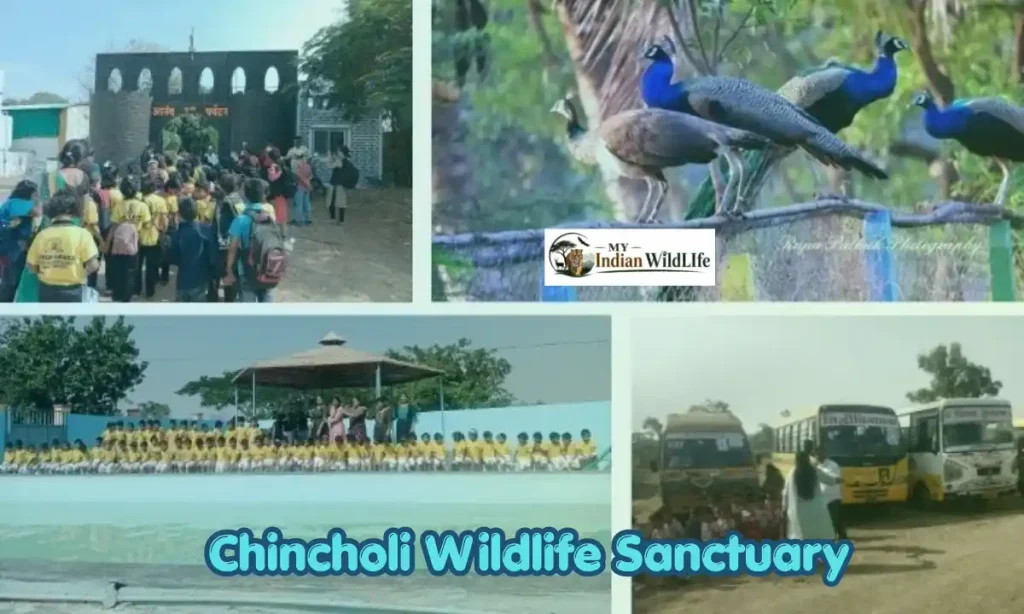
The one day tour may commence early morning from travel towards Chincholi Wildlife Sanctuary. After reaching the site, the first part of the morning time may be spent in exploring the permitted trails within the sanctuary and watching birds and other wildlife species. The early mornings are the best times to explore nature and watch wildlife.
Post the visit to the sanctuary, one can spend lunch at an appropriate local restaurant or at their own accommodations and then travel further towards Chandrampalli Dam. One can spend the remaining part of the day enjoying the surroundings of the dam before travelling back to Chincholi or Kalaburagi in the evening.
Conclusion
Chincholi Wildlife Sanctuary is a tranquil and less popular spot in Karnataka, which provides a unique wildlife experience compared to other forest reserves in the state. The dry land ecosystem, rich vegetation, wildlife, birds, and rocks make it an exciting place to explore and take pictures. The presence of Chandrampalli Dam near Chincholi wildlife sanctuary is an added advantage for a pleasant journey to this site. If one plans well, travels comfortably and behaves responsibly, then Chincholi wildlife sanctuary will be an unforgettable experience for him/her.
Faqs
Where is Chincholi Wildlife Sanctuary located?
Chincholi Wildlife Sanctuary is located in Chincholi Taluk of Kalaburagi district in Karnataka.
When was Chincholi Wildlife Sanctuary established?
Chincholi Wildlife Sanctuary was declared a wildlife sanctuary in 2011.
What is Chincholi Wildlife Sanctuary famous for?
It is known for its dryland forest ecosystem, diverse wildlife, birds, medicinal plants and scenic natural surroundings.
Which animals can be found in Chincholi Wildlife Sanctuary?
Blackbuck, leopard, Indian wolf, striped hyena, four-horned antelope, wild boar, jungle cat and golden jackal are among the wildlife associated with the sanctuary.
Is Chincholi Wildlife Sanctuary good for birdwatching?
Yes. The sanctuary provides habitat for various birds and can be a good destination for birdwatching, particularly during the early morning.
What is the best time to visit Chincholi Wildlife Sanctuary?
October to March is generally considered a comfortable period for visiting because the weather is more suitable for outdoor activities.
What is the main attraction near Chincholi Wildlife Sanctuary?
Chandrampalli Dam is one of the major attractions near the sanctuary and is known for its peaceful surroundings and scenic landscape.
How can I reach Chincholi Wildlife Sanctuary?
Visitors can travel towards Kalaburagi by air, train or road and then continue towards Chincholi by taxi, private vehicle or suitable local transport.
Can I stay inside Chincholi Wildlife Sanctuary?
Accommodation options inside the sanctuary are limited. Visitors can consider staying in Chincholi or Kalaburagi and travel to the sanctuary from there.
What should I carry for a Chincholi Wildlife Sanctuary trip?
Carry drinking water, comfortable footwear, sun protection, a camera or binoculars and any necessary personal travel items. It is also advisable to check local entry rules before visiting.
Also,Read About: Bhimbandh Wildlife Sanctuary: Complete Travel Guide, Timings, Wildlife, Hot Springs & How to Reach