
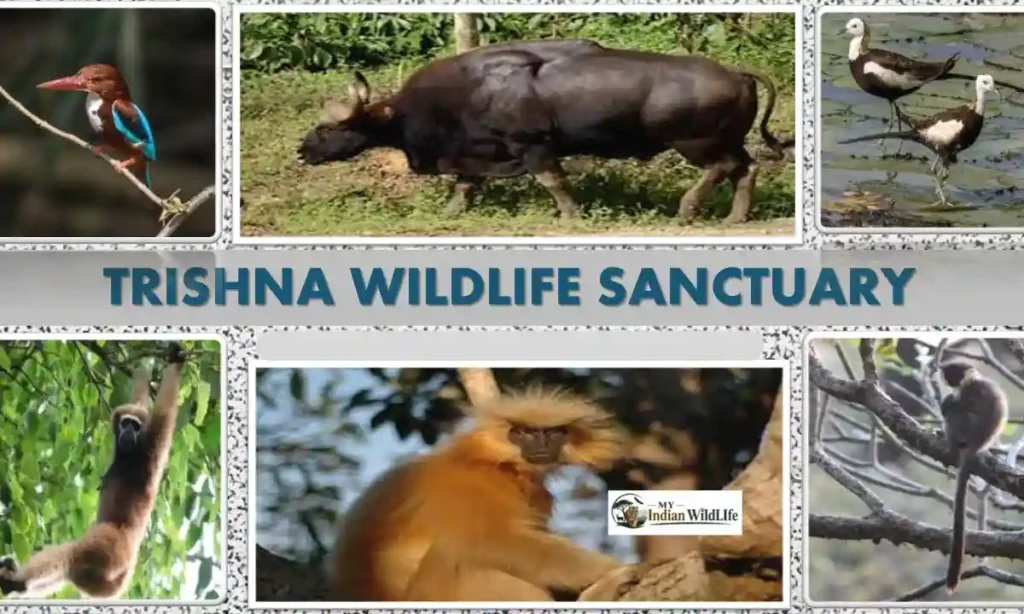
Trishna Wildlife Sanctuary is a wonderful place located in the Tripura state of Northeastern India. The sanctuary is well-known for its biodiversity and forests full of wildlife. It is situated in South Tripura district in the vicinity of Belonia. Nature lovers and wildlife enthusiasts find their pleasure in exploring the natural beauty of the area free from tourists.
The most famous animal in Trishna Wildlife Sanctuary is the Indian gaur which is also called the Indian bison. Apart from the Indian gaur, its forests are the homes of various species of primates, deer, birds and reptiles. The sanctuary is very important in terms of preserving the wildlife and forest ecosystem of Tripura.
If you are planning your family holiday, nature exploration or wildlife photography, this guide will provide all the necessary information on its location, visiting time, entry fee and main attractions.
Trishna Wildlife Sanctuary Overview
Trishna Wildlife Sanctuary is one of the significant reserves in Tripura and was created to protect the natural habitat and wildlife present there. The sanctuary is made up of forests, grasslands, bamboo brakes, and water bodies.
| Details | Information |
|---|---|
| Name | Trishna Wildlife Sanctuary |
| Location | South Tripura, Tripura, India |
| Nearest major town | Belonia |
| Established | 1988 |
| Approximate area | 194.7 square kilometres |
| Famous for | Indian gaur (Indian bison) |
| Major wildlife | Gaur, langurs, hoolock gibbons, deer and birds |
| Natural features | Forests, grasslands, streams and wetlands |
| Opening time | Reported as 9:00 AM |
| Closing time | Reported as 5:00 PM |
| Weekly closing day | Tuesday, according to district tourism information |
| Nearest airport | Maharaja Bir Bikram Airport, Agartala |
| Best time to visit | October to March |
| Ideal visit duration | Approximately 2–4 hours, subject to access and activities |
Where Is Trishna Wildlife Sanctuary Located?
Trishna Wildlife Sanctuary is situated in the southern portion of Tripura, specifically in South Tripura district. An important locality near the site is Belonia, which can serve as a good starting point for those visiting the sanctuary.
The area consists of forested land, villages, and other natural surroundings which play a vital role in the ecology of southern Tripura. Moreover, this sanctuary forms part of the conservation efforts undertaken by the state to protect its native wildlife.
Those visiting from Agartala have road transport options, while those coming via rail have rail transport options as well within southern Tripura. As this sanctuary is spread over a vast area, it is necessary to determine beforehand the specific route and entry point.
Trishna Wildlife Sanctuary Timings
It is said that Trishna Wildlife Sanctuary has timings from 9:00 a.m. till 5:00 p.m., and Tuesday is the day when it remains closed for visitors. It is important for the travelers to get this information verified before visiting Trishna Wildlife Sanctuary, especially during the holiday season or monsoons.
| Visitor information | Details |
|---|---|
| Opening time | 9:00 AM |
| Closing time | 5:00 PM |
| Weekly closing day | Tuesday |
| Recommended arrival | Morning |
| Suggested visit duration | 2–4 hours |
A morning visit can help tourists spend more time visiting the allowed zones and enjoying the natural environment. The sighting of wildlife depends on the movement of animals, season, and weather. It is recommended that visitors get there with enough time to do the necessary checks and adhere to the instructions from the forest department.
Trishna Wildlife Sanctuary Entry Fee
The present admission fee for Trishna Wildlife Sanctuary cannot be confirmed with certainty through the available online official sources. It is advised that visitors should get themselves updated about the exact admission fee from the local forest department.
The overall cost of visiting a wildlife sanctuary will largely depend upon the admission policies and visitor category. Separate policies can also apply to vehicle entry, guide services, and photography inside the sanctuary.
Before travelling, ask the authorities about the following details:
- Entry fees for adults and children.
- Permission requirements for private vehicles.
- Availability and charges for local guides.
- Photography and videography rules.
- Current availability of eco-tourism facilities.
Confirming these details in advance will help you plan your budget and avoid unexpected difficulties during your visit.
Why Is Trishna Wildlife Sanctuary Famous?
The Indian gaur population along with Trishna Wildlife Sanctuary’s value as a wildlife habitat are two of the most distinguishing aspects of this place. Forest growth, grasslands and water resources provide favorable conditions for many animals.
Besides, the presence of diverse primate populations adds to the value of this place. The hoolock gibbons, capped langurs and other species of primates are found in the forests of Tripura, which makes this place attractive for wildlife experts.
In addition, the significance of this place lies not only in its natural landscapes, but also in its function of preserving natural resources and wildlife.
1. Indian Gaur (Indian Bison)
The Indian gaur is the most famous species of wildlife associated with Trishna Wildlife Sanctuary. The Indian gaur is a large wild cow that is famous for having a well-built muscular body with strong legs. They feed on grass and leaves from the forests and grasslands.
2. Diverse Primate Species
The sanctuary is home to various primate species like hoolock gibbons and langurs that require favorable forest cover to survive, move around and feed. This shows the significance of preserving the vegetation of the region.
3. Rich Forest Biodiversity
There are diverse types of plant species within Trishna Wildlife Sanctuary such as forest trees, bamboo, shrubs, and climbers that offer sustenance to wildlife and contribute to the overall ecological stability of the region.
4. Natural Water Sources
These natural water bodies serve to increase the habitat diversity of the sanctuary. They help plants grow and also provide resources for wildlife in times of scarce rainfall.
5. Birdwatching and Nature Photography
The woods found within the sanctuary coupled with its wetland habitats make it a unique place that bird watchers and nature photographers can enjoy. People can appreciate the environment without interfering with wildlife.
Wildlife and Animals Found in Trishna Wildlife Sanctuary
Trishna Wildlife Sanctuary is one of the significant wildlife sanctuaries of Tripura and home to varied mammals, birds and reptiles. Forests, bamboo, grasslands and natural water bodies in Trishna Wildlife Sanctuary make favorable environment for varied animals. Indian gaur, which is also known as Indian bison, is the most famous animal in the sanctuary. Some other animals that can be seen in the area include hoolock gibbons, capped langurs, golden langurs, deer and wild boar. Visibility of animals depends on seasons, weather conditions and movements of animals.
Mammals Found in Trishna Wildlife Sanctuary
Trishna Wildlife Sanctuary has a number of mammals that help maintain the balance of the ecology within the forest. The most important animal is the Indian gaur due to its huge size and unique features. Hoolock gibbons and other species of langurs live in forests, which provide them with food and shelter. Besides, there are deer and wild boars in the forest. One must not approach or feed these animals as they are wild and need enough room to roam around.
Birds Found in Trishna Wildlife Sanctuary
Bird Watching is another interesting pursuit that can be enjoyed while touring the Trishna Wildlife Sanctuary. The forests, streams, and wetlands here are home to many varieties of birds. The kingfisher, drongo, mynah, and tailorbird are some varieties of birds found in the larger area of Tripura. Depending upon the place, time of year, and weather conditions, one can see varied kinds of birds during the tour. Nature lovers can take a binocular and a camera to watch the birds without bothering them.
Reptiles Found in Trishna Wildlife Sanctuary
The tropical climate of the Trishna Wildlife Sanctuary houses reptiles that play an essential role in the food chain. Different types of snakes and lizards could be found in different sections of the forest, based on their need for food, shelter, and proper environmental conditions. It is essential to have them in order to maintain ecological balance by keeping control of insect and small animal populations. Visitors need to be careful while walking and should refrain from touching any animals that they do not recognize.
Flora and Vegetation of Trishna Wildlife Sanctuary
Trishna Wildlife Sanctuary has the presence of green forests, bamboo vegetation, grasses, shrubs, climbers and different types of trees. Such vegetation provides food and shelter to the wildlife as well as plays an important role in keeping the balance of nature intact. The forest trees give shade and nest to the wildlife whereas grasses are food for the herbivores like Indian gaur. The bamboo vegetation gives cover to smaller creatures and forms part of the forest structure. The vegetation near streams and wetlands support different species. It is requested of visitors that they do not cut any plant here.
Major Attractions at Trishna Wildlife Sanctuary
Trishna Wildlife Sanctuary will be popular among tourists who have an interest in animals, forests, and nature in South Tripura. The main attraction of the sanctuary is the chance to explore a natural habitat and to understand the need for conservation of biodiversity. Trishna Wildlife Sanctuary has been known especially for the presence of Indian Gaur and different primate populations. There are natural streams and vegetation which can help eco-tourists in enjoying themselves. Nevertheless, it is worth mentioning that certain facilities can differ.
Indian Bison Habitat
The Indian gaur, popularly known as the Indian bison, is perhaps the best-known wildlife feature of the Trishna Wildlife Sanctuary. The gaur is a large wild ox with a well-muscled body and sturdy legs. Gaurs mostly feed on vegetation such as leaves, grass, and other plants. Spotting an Indian gaur in its natural habitat can be a thrilling experience for visitors, but it cannot be taken for granted. Visitors must ensure that there is always a considerable distance between themselves and these animals.
Forest Trails and Natural Landscapes
The forest landscapes of Trishna Wildlife Sanctuary serve as an option for tourists to understand the natural landscape of Tripura. In addition to diverse flora, there is a combination of trees, bamboo forests, shrubs, and open spaces in the region. Walking in the permitted areas for visitors can assist tourists in learning about the forest vegetation. Tourists should follow the permitted route and take the instructions from the forest staff as well as not enter into the dense forests without any permission.
Water Bodies and Streams
Water bodies in nature are an integral part of the Trishna Wildlife Sanctuary ecosystem. Water bodies play a role of providing water to wild life, vegetation and create different habitats. The vicinity of water bodies could attract birds and other animals depending on the environment. There have been mentions of the presence of boat ride opportunities in Trishna but it would be prudent to establish whether boating opportunities still exist. Swimming in the water bodies should only be done under specific circumstances.
Butterfly Eco-Park
Butterfly Eco-Park is among the sites listed under the attractions linked to the Trishna region in district tourist brochures. This site might be of particular interest to families, students, and nature enthusiasts who are eager to learn more about butterflies and their ecological significance. Butterflies assist in pollinating plants, while butterfly lifecycles are an integral component of the overall forest ecology. Vegetation that can serve as nourishment to caterpillars and adult butterflies is necessary. Prior to visitation, one should find out about park facilities.
Nature Photography
There are many possibilities to capture photographs of forest views, plants, birds, and other natural scenery at Trishna Wildlife Sanctuary. Nature photography involves patience since wildlife can move silently among the vegetation and might not be easily visible at predicted spots. The use of a camera with a zoom lens helps one to take pictures of wildlife without being near the animals. Flash photography should be avoided in case it may disturb the wildlife while keeping the noise level low. It might be necessary to have approval for commercial photography.
Best Time to Visit Trishna Wildlife Sanctuary
The ideal period to tour Trishna Wildlife Sanctuary would be from October through March, as it would make it easier to explore the area. During October and November, there would be green scenery due to the monsoon season, while December through February would mean that it will be cold. It will also be fine during March, but the temperature will be starting to rise. It will rain heavily from June through September during the monsoon season, making the paths muddy and possibly inaccessible. November through February will be good for those who like the cold.
How to Reach Trishna Wildlife Sanctuary
One can reach Trishna Wildlife Sanctuary through air, rail and road ways. Agartala is the major point of arrival for those coming from other places of Tripura, whereas Belonia is a nearby town that can help in making arrangements for further movement. The choice of the way entirely depends upon the starting point and the gate you wish to enter. In case of those taking a trip for a day only, enough time must be reserved for their travel and return.
How to Reach Trishna Wildlife Sanctuary by Air
The nearest major airport is Maharaja Bir Bikram Airport in Agartala that connects the capital of Tripura with other cities in India. Upon reaching the airport, people can rent a taxi or even arrange for their own conveyance to reach South Tripura. The distance from the airport to the destination point will vary between 100 to 120 kilometres. Travellers intending to visit the sanctuary and then leave for Agartala in one single day must make arrangements in advance.
How to Reach Trishna Wildlife Sanctuary by Train
The other mode of transport available for visiting Trishna Wildlife Sanctuary includes taking a train to the south of Tripura, and then by road to Trishna Wildlife Sanctuary. Belonia railway station may be an ideal place for accessing the sanctuary if the traveller is coming from the south of the state, whereas there may be other railway stations according to different routes. After arriving at the railway station, one can arrange a taxi or any local transport for the rest of the trip.
How to Reach Trishna Wildlife Sanctuary by Road
The road journey to Trishna Wildlife Sanctuary from Agartala, Belonia, and other cities in Tripura is an easily accessible way to reach the sanctuary. Cars and taxi facilities can be availed by people who would like to make their trip to the sanctuary. The distance of the sanctuary from Agartala and Belonia is estimated to be about 111 kilometers and 19 kilometers respectively, as mentioned on the government tourist websites. The route to Trishna Wildlife Sanctuary should be confirmed before starting the journey, especially in the rainy season.
Trishna Wildlife Sanctuary Location & Google Maps
Trishna Wildlife Sanctuary lies in South Tripura district, Tripura, India, close to the town of Belonia. Due to its location, the site is easy to reach for those undertaking exploration of the southern part of the country. Google Maps can help one plan the way through Agartala, Belonia, or any other place from where the journey is going to start.
Distance from Major Cities to Trishna Wildlife Sanctuary
The Trishna Wildlife Sanctuary can be accessed from a number of towns and cities in Tripura. If one is coming through air, the Agartala airport would be the entry point; otherwise, the nearest town where one can make arrangements for traveling to the sanctuary is Belonia. The distance to reach the destination will vary according to the route chosen.
| Starting Point | Approximate Distance | Travel Option |
|---|---|---|
| Belonia | Around 19 km | Taxi or private vehicle |
| Agartala | Around 111 km | Car, taxi or road transport |
| Udaipur, Tripura | Route-dependent | Road transport |
| Sonamura | Route-dependent | Road transport |
Visitors should check their navigation app before departure for the latest route and estimated journey time. Distances may differ between map services and individual sanctuary access points.
Nearby Places to Visit Near Trishna Wildlife Sanctuary
The visit to Trishna Wildlife Sanctuary could be linked to other places in Tripura as well if there is sufficient time at hand. The southern Tripura region has many archaeological sites, pilgrim centers, and cultural centers where one can experience the cultural legacy of Tripura. Some of these places demand a trip through a separate road route.
Pilak Archaeological Site
Pilak is a significant archaeological site located in South Tripura, where there are ancient sculptures as well as remains that are religious and archaeological in nature from the period of Buddhist and Hindu practices. Pilak shows the cultural links that have evolved in the area through a long period of time. For those people who are interested in archaeology and heritage tourism, Pilak can be an interesting destination during a tour of South Tripura.
Neermahal Water Palace
Neermahal is among the most popular historic sites in Tripura, located in Rudrasagar Lake. It is famed for its architecture, which features architectural designs from both Hindu and Islamic cultures. Its scenic location along the lake is what makes it attractive to tourists who are into photography. It is not near Trishna Wildlife Sanctuary, so it would fit into a Tripura tour more than a wildlife tour.
Buddha Temple at Manu Bankul
Buddha Temple at Manu Bankul is one of the tourist attractions at South Tripura, which might be of some interest to the tourists when touring around the area. The temple gives an alternative way to tour the place besides the natural aspects such as forest and wildlife. Tourists are advised to find out the location of the temple before going there.
Hotels Near Trishna Wildlife Sanctuary
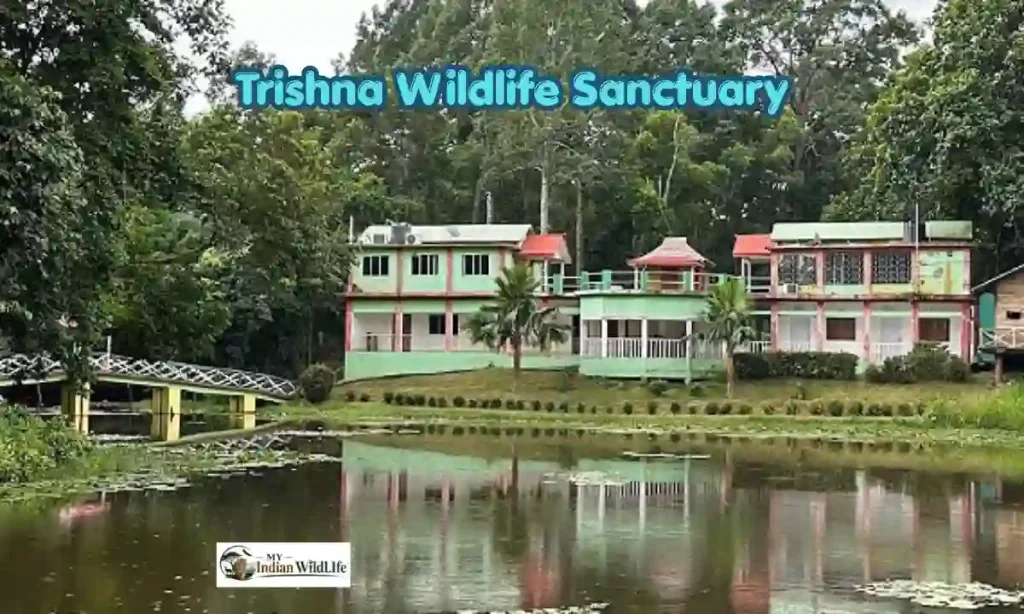
People traveling to Trishna Wildlife Sanctuary can try getting accommodation in Belonia or search for forest accommodations near the place. It is advisable to stay in Belonia since this will ensure that one makes the morning visit comfortably without traveling back the entire distance on the same day.
Tourism information provided by the government has indicated that Forest Rest House in Trishna and Muhuri Tourist Lodge in Belonia could be used as accommodation in the area. The availability and amenities of the accommodations should be checked with the respective authorities.
Those who prefer other forms of accommodation can try hotels and guest houses in Belonia. One should compare the various features of the hotels or guest houses and then decide accordingly.
Food and Restaurants Near Trishna Wildlife Sanctuary
There might not be enough food choices available within the protected forest area, which means that tourists need to arrange their meals prior to visiting the sanctuary. The town of Belonia would be a suitable place for searching restaurants as well as other places where one could get ordinary food and beverages.
Tourists will be able to choose from Tripuri cuisine along with usual Indian meals, if it is possible. Make sure to have enough drinking water and snacks approved for consumption on your trip, but make sure not to litter the forest with food wrappers or garbage. It is never appropriate to feed wild animals while visiting them.
Estimated Budget for Visiting Trishna Wildlife Sanctuary
Cost of visiting Trishna Wildlife Sanctuary varies with respect to the location from which you are coming, mode of transport, food expenditure, and accommodation requirements. A one-day visit from Belonia will definitely cost much lesser than a visit from Agartala where you would be needing a private taxi and accommodation for the night.
The latest entrance fees and charges for activities need to be checked beforehand. The following table gives an idea of the main expenses involved.
| Expense Category | What to Consider |
|---|---|
| Transportation | Bus fares, taxi charges or private vehicle expenses |
| Entry fee | Confirm the latest applicable admission charges |
| Guide or activities | Check availability and fees with local authorities |
| Food and refreshments | Meals, drinking water and permitted snacks |
| Accommodation | Hotel, guesthouse or authorised forest accommodation |
| Additional expenses | Parking, local transport and other applicable charges |
For a practical budget, obtain current transport and accommodation prices before travelling. Keeping a small amount aside for unexpected expenses can also make the trip more comfortable.
Travel Tips for Visiting Trishna Wildlife Sanctuary
A little forethought may make your trip to Trishna Wildlife Sanctuary easier and more secure. Wear appropriate attire and shoes that suit walking on rough terrain. Take along water to drink, mosquito repellents, and sunscreens, especially if you plan on spending a lot of time outdoors.
Come at least early enough to be able to roam around the designated visitor sites at leisure. Speak softly, keep away from the wild animals, and follow instructions from the forestry officers. Don’t feed the animals, litter, pluck plants, and venture into prohibited areas. In case you are a keen photographer, use a telephoto lens rather than getting nearer to the wild animals.
Before you leave, ascertain the timing of operation, closing days, entrance fees, the condition of roads, and amenities available. This information keeps changing, especially when it rains heavily.
Rules and Regulations at Trishna Wildlife Sanctuary
Trishna Wildlife Sanctuary is a conservation area and hence, visitors have to abide by all the regulations pertaining to forests and wildlife. These regulations ensure the safety of animals, conservation of flora, and also ensure that there are no hazards on the part of visitors.
Visitors need to stay within authorized zones, do not disturb any wildlife and obey all the instructions of the forest authorities. Activities like hunting, trapping, feeding wild animals, defacing flora and removal of natural objects from protected zones are forbidden or restricted under such regulations.
Loud music, irresponsible photography and littering may upset wildlife and cause environmental harm. Visitors must see if there are any restrictions on drones, film shoots, use of personal vehicles and certain recreational activities.
Is Trishna Wildlife Sanctuary Worth Visiting?
Trishna Wildlife Sanctuary is ideal for individuals who like wildlife and nature tourism. The connection of the Indian gaur, different primate habitat and different vegetation types makes this wildlife sanctuary one of the most attractive destinations in Tripura. It is possible to use this trip in order to get some knowledge on biodiversity and conservation of forests.
This destination is great for individuals who like peace in nature rather than visiting highly commercialized destinations for tourists. However, it may not satisfy tourists who expect to see animals and safari in Trishna Wildlife Sanctuary.
Conclusion
Trishna Wildlife Sanctuary is one of the great natural destinations in Tripura where people can enjoy forest landscapes and see various animals and at the same time gain knowledge of conservation. The connection with Indian gaur and the different types of habitat at the sanctuary makes it more appealing to tourists.
Since Belonia is a good entry point to Trishna Wildlife Sanctuary, people can visit the sanctuary through a one-day trip or in the context of an overall visit to Tripura. Be aware of the current entry times, fee structure, and facilities before making the trip to the sanctuary.
Faqs
Where Is Trishna Wildlife Sanctuary Located?
Trishna Wildlife Sanctuary is located in South Tripura district, Tripura, India, near the town of Belonia. It is an important protected forest area in the southern part of the state.
What Is Trishna Wildlife Sanctuary Famous For?
The sanctuary is best known for the Indian gaur, commonly called the Indian bison. It also supports different primate species, birds, deer and other wildlife associated with Tripura’s forests.
What Are the Timings of Trishna Wildlife Sanctuary?
District tourism information reports visiting hours of 9:00 AM to 5:00 PM, with Tuesday listed as the weekly closing day. Visitors should confirm the latest schedule before travelling.
What Is the Entry Fee for Trishna Wildlife Sanctuary?
A current official entry fee could not be reliably confirmed. Contact the local forest authorities to obtain the latest admission charges and information about any additional activities.
What Is the Best Time to Visit Trishna Wildlife Sanctuary?
October to March is generally considered a suitable period for visiting. November to February is particularly practical for travellers who prefer cooler weather and comfortable outdoor conditions.
How Far Is Trishna Wildlife Sanctuary from Agartala?
The sanctuary is approximately 111 kilometres from Agartala according to tourism information, although the actual distance depends on the route and entrance used.
Which Railway Station Is Nearest to Trishna Wildlife Sanctuary?
Belonia is a practical railway access point for visitors approaching from southern Tripura. Check current train schedules and onward transport arrangements before choosing your route.
Can Visitors See Indian Bison at Trishna Wildlife Sanctuary?
Indian gaur are among the sanctuary’s main attractions. However, these animals move freely through their natural habitat, so sightings cannot be guaranteed.
Are Boating and Other Activities Available at Trishna Wildlife Sanctuary?
Some tourism descriptions mention boating and other eco-tourism facilities in the wider Trishna area. Their current availability, operating hours and charges should be confirmed locally.
Is Trishna Wildlife Sanctuary Suitable for a Family Trip?
Yes, it can be a suitable destination for families interested in nature and wildlife. Children should remain under adult supervision, and everyone should follow the forest department’s safety instructions.
Also,Read About: Gibbon Wildlife Sanctuary: Location, Wildlife, Timings, Entry Fee and Travel Guide