

The Bhimbandh Wildlife Sanctuary is among the most picturesque natural spots in Bihar and is situated in the southwestern part of the Munger district. The sanctuary encompasses the area of around 681.99 sq. km and occupies the hills of the Kharagpur hills range. Due to dense forest cover and presence of diverse wildlife, waterfalls and hot water springs, Bhimbandh becomes a place of interest for the lovers of nature.
The sanctuary is notable for its natural hot springs in Bhimbandh, Sita Kund, and Rishi Kund that retain their heat even in winters. According to the legend, the name of the sanctuary derives from Bhima of the Mahabharata as it was he who built a dam in the area.
Where Is Bhimbandh Wildlife Sanctuary Located?
Bhimbandh Wildlife Sanctuary is located in the district of Munger in Bihar and in the Kharagpur Hills. It is located in the south side of the Ganga River and at the northern part of the Chota Nagpur Plateau. Bhimbandh is approximately 56 km away from Munger and around 20 km away from Jamui Railway Station. The geographical environment of the place consists of forests, hills, valleys and water sources. The blend of these environments makes the place tranquil and also offers habitat to various mammals and birds species.
Bhimbandh Wildlife Sanctuary at a Glance
| Feature | Details |
|---|---|
| Name | Bhimbandh Wildlife Sanctuary |
| Location | Munger District, Bihar |
| Region | Kharagpur Hills |
| Area | Approximately 681.99 sq. km |
| Established | 1976 |
| Landscape | Hills, forests, valleys and plains |
| Main Attraction | Wildlife and natural hot springs |
| Famous Springs | Bhimbandh, Sita Kund and Rishi Kund |
| Nearest Major City | Munger |
| Nearest Railway Station | Jamui Railway Station |
| Nearest Airport | Patna Airport |
| Best Visiting Season | October to March |
| Famous For | Forests, wildlife, hot springs, waterfalls and birdlife |
Why Visit Bhimbandh Wildlife Sanctuary?
Bhimbandh is a great destination for those wishing to explore Bihar besides its monuments and pilgrimage sites. The large forested area provides chances to have a walk in nature, witness wildlife and photography. The hot springs provide yet another interesting thing to do at the sanctuary.
The presence of wildlife, hills, waterfalls and warm springs make the sanctuary distinct from many other destinations in Bihar. The winter season is especially great as the pleasant climate allows enjoying the outdoors better and in addition, migratory birds visit the sanctuary during the winter season.
History of Bhimbandh Wildlife Sanctuary
There is a historic association of the Bhimbandh Wildlife Sanctuary with the natural and cultural heritage of Kharagpur Hills. This area has always been linked with Bhima of Mahabharata and the legends associated with him, and there is also an old belief that the name Bhimbandh is related to the embankment built by Bhima. The area was declared a wildlife sanctuary in 1976 to conserve its wildlife and forests. Since then, the sanctuary has always remained one of the protected forests of Bihar. The hills, vegetation and water resources make the environment suitable for different kinds of fauna and avifauna.
Besides being a habitat for wildlife, the sanctuary also has cultural significance in terms of hot springs that are naturally occurring in this area. Bhimbandh, Sita Kund and Rishi Kund are some of the famous thermal springs of this area. In today’s times, the Bhimbandh Wildlife Sanctuary is considered to be not just a sanctuary for wildlife but forests, hills, streams, waterfalls and other geological formations as well. It provides an opportunity to visit a lesser known natural beauty of Bihar.
Why Is Bhimbandh Wildlife Sanctuary Famous?
This sanctuary is mostly renowned for its dense forests, hot springs and abundant wildlife. One of the most prominent features of this sanctuary is that it is located in the Kharagpur Hills and thus possesses unique terrain which consists of rocky hills and valleys and vegetation. The most unique thing about this place is its natural hot springs. The warmth of this place does not get diminished in winters and thus it continues to remain as a major attraction throughout the year, especially for people who want to learn about the natural surroundings and cultural heritage of the region.
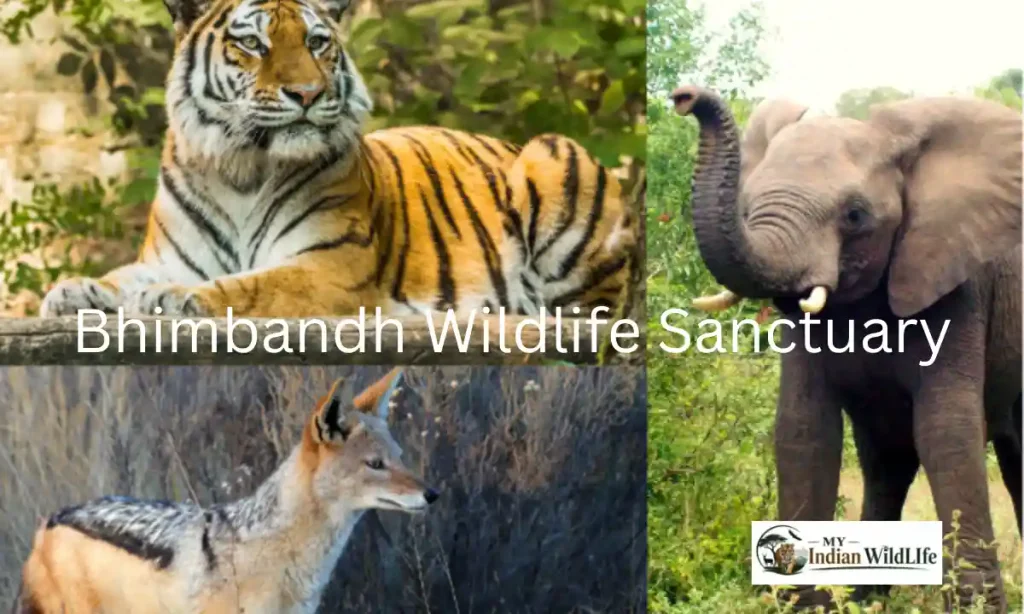
There are several kinds of animals here which include leopards, sloth bears, wild boars, chitals and barking deer, along with different types of birds. The sanctuary consists of dense forests which serve as food and habitat for the wildlife, while the hills around the region provide picturesque scenery for nature photographers.
Flora and Vegetation
The vegetation found within the Bhimbandh Wildlife Sanctuary can be said to consist mainly of tropical forests. The forest area has a combination of trees, shrubs, grasses, and many other types of vegetation.
| Type of Vegetation | Examples / Features |
|---|---|
| Dry Deciduous Forest | Trees that shed leaves during the dry season |
| Mixed Forest | Different native tree species growing together |
| Bamboo Vegetation | Found in several forest areas |
| Sal Forest | Important forest vegetation in the region |
| Grasslands | Provide feeding areas for herbivorous animals |
| Shrubs and Undergrowth | Provide cover and habitat for smaller animals |
| Seasonal Plants | Grow during favourable periods after rainfall |
The presence of the trees, grass, and thick underbrush results in different kinds of habitats inside the sanctuary. These habitats are essential for herbivores, carnivores, birds, reptiles, and smaller forest animals.
Wildlife and Animals Found in Bhimbandh Wildlife Sanctuary
Many wild animals exist in Bhimbandh Wildlife Sanctuary owing to its dense forests, hills, plains and natural water sources. Various kinds of mammals and other creatures living in the forest find a conducive environment in the sanctuary. Wildlife encounters depend on several factors including the season, weather and animal movements; therefore, visitors cannot expect to encounter all kinds of wildlife in the sanctuary at once.
There are several wild animals like leopards, sloth bears, wild boar, chital, barking deer, and nilgai in the sanctuary. Small mammals include Indian hare and various types of monkeys in the surrounding forest regions. The sanctuary has both herbivore and carnivore animals, making it very important for the forest ecosystem.
Birds Found in Bhimbandh Wildlife Sanctuary
Bhimbandh is equally ideal for bird watching since it has forests, streams, and open spaces that create different habitats for birds. One can see various types of resident birds; however, some migratory birds can also come during winter season. The peafowl, parakeets, drongos, woodpecker, kingfisher, dove, egret, birds of prey, owls and other species of birds are found in association with the sanctuary and neighboring areas. The early morning is always the best period for bird watching due to the activity of birds during cold hours.
Bhimbandh Hot Water Springs
Among the most unique features of the Bhimbandh Wildlife Sanctuary are the hot water springs. The area is known for the presence of thermal springs that are natural in nature, where the three hot springs known as Bhimbandh, Sita Kund, and Rishi Kund are well-known.
The natural springs of hot water are quite an interesting feature of this sanctuary when it comes to winter time. In addition to being a natural wonder, the hot springs are also associated with some traditions and beliefs.
Natural Beauty of Bhimbandh Wildlife Sanctuary
Bhimbandh Wildlife Sanctuary is not just about wildlife; it comprises of landscapes such as forests covered hills, valleys, streams, rock formations, and seasonal waterfalls. The presence of greenery and hills lends a calm environment to the sanctuary, free from urban chaos.
The look of the sanctuary keeps on changing with different seasons. Greenery and flowing streams characterize monsoons, while pleasant weather prevails during winters. The natural beauty of the sanctuary also makes it a great place for photographers and nature lovers.
Things to Do at Bhimbandh Wildlife Sanctuary
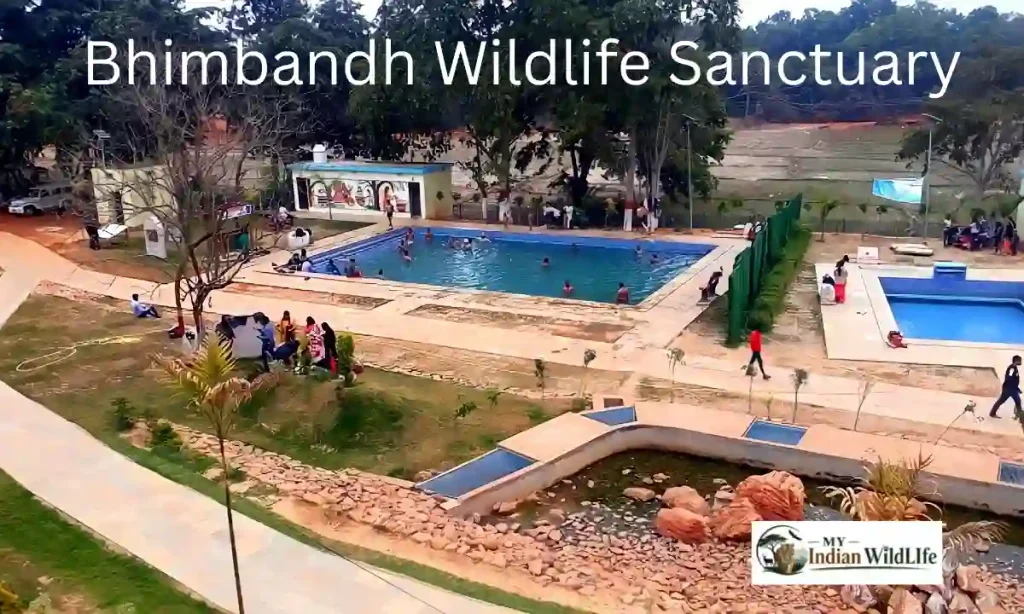
The tourists have the opportunity to explore nature, watch birds and wildlife, see the famous hot water springs, and take pictures. The people who love nature can explore the forest environment and hills nearby, and the tourists who like the culture can know about the legendary stories of Bhimbandh. In order to make the visit more exciting, the tourists need to keep themselves away from wild animals and also follow the instructions of the local authorities/forest officials.
Best Time to Visit Bhimbandh Wildlife Sanctuary
Visiting the Bhimbandh Wildlife Sanctuary should preferably be planned between the months of October and March. This is because the climate becomes relatively comfortable during this period, enabling people to easily enjoy nature in the forest, hills, natural water springs, and other sites.
October and November can be perfect months to visit the place as the freshness of the monsoon still remains in the form of greenery of the forest. The temperature will be enjoyable to sightsee and to click pictures of nature.
December to February is considered the best months for those who love the coolness of winters. In addition, if you like bird watching, then December to February can also be a wonderful period for this activity since you can observe migratory birds in this region.
The month of March can also prove to be a good choice to come and see nature before the heat becomes unbearable.
Monsoon season offers greenery and the flow of water from streams, however, it rains quite often and hence, the forest paths are wet which may create hindrances. On the other hand, summer can prove to be quite hot especially during day time.
Bhimbandh Wildlife Sanctuary Timings
Bhimbandh Wildlife Sanctuary should be visited during daylight as it would provide adequate lighting for moving through the forest and also enjoying the beauty of its surroundings. Visitors have to schedule their visits in the visiting timings prescribed by the forest authorities. The actual timings for entry and safari may differ according to seasons and weather, among other things. Hence, visitors should inquire about the present timings from the local forest authorities prior to making any plan for the trip.
Morning is one of the best times for nature watching since the climate is cool and the birds and other animals are more active. Travellers should not venture into the restricted parts of the forest without proper permission.
Bhimbandh Wildlife Sanctuary Entry Fee
These fees will depend on the kind of visit one makes and the prevailing regulations set by the forest department. The visitors are encouraged to confirm this information prior to their trip since these fees and requirements are subject to change. One is also advised to have money at hand in case they visit remote places within the sanctuary where there may be no facilities for making payments electronically.
How to Reach Bhimbandh Wildlife Sanctuary
Bhimbandh Wildlife Sanctuary lies within the district of Munger in Bihar and is accessible by road, rail, and air transport. However, since Bhimbandh Wildlife Sanctuary is located in a forest and hill area, road is the preferred mode of transport to access it from there on.
By Air
Jay Prakash Narayan International Airport in Patna is the closest airport to the sanctuary. Travellers after arriving in Patna may make their way towards Munger either by road or rail and finally travel to Bhimbandh. Since the sanctuary is far from the airport, more road journey has to be made.
By Train
Railways provide a convenient mode of transport to access the area. Jamui Railway Station is one of the railway stations from where the visitors may visit Bhimbandh Sanctuary through railways. One can either take a taxi or road transport from there to access the sanctuary. Similarly, Munger Railway Station provides convenience to visitors who come from the Munger side. The rest of the journey can be covered on road.
By Road
Road transport provides a very realistic way of reaching the Bhimbandh Wildlife Sanctuary. It can be accessed from Munger and Jamui and then proceed through the forests and the hilly terrain. Those opting for personal transport must ensure that the road condition is assessed before setting out on the trip, particularly during monsoons. Those opting for public transport might find it infrequent in some places, so making local arrangements would be advisable.
Local Transport
Taxis and other transport facilities may be utilized for the remainder of your trip once you arrive at the nearby town destinations. It would be good to have sufficient time for the road trip, as Bhimbandh is situated in an isolated and wooded region.
Distance to Bhimbandh Wildlife Sanctuary
As Bhimbandh Wildlife Sanctuary is located in a hilly and forested area of Munger district, therefore, the distance to reach there will depend on your starting point. Some of the important places from where people can go there include Munger and Jamui railway station.
Distance from Major Places
| Starting Point | Approximate Distance |
|---|---|
| Munger | About 56 km |
| Jamui Railway Station | About 20 km |
| Patna | About 200 km |
| Gaya | About 170 km |
| Bhagalpur | About 110 km |
These figures are rough estimates that may depend on the actual route taken and the point of entry. The road and weather conditions will influence the actual time spent traveling.
Where to Stay Near Bhimbandh Wildlife Sanctuary
Bhimbandh being situated in a more remote area of forests, there is a scarcity of lodging facilities within or very close to the sanctuary. Usually, people tend to reside in places like Munger, Jamui, etc., and visit the sanctuary in the daytime.
Munger can be considered an option for tourists willing to stay at lodges, restaurants, and other such basic facilities. Tourists intending to visit the sanctuary on a more prolonged basis should take care of their lodging in advance, especially during weekends, holidays, and winter months.
Food Near Bhimbandh Wildlife Sanctuary
The number of food choices around the sanctuary is lesser when compared to large urban cities. It is better to have meals in the towns near the forests before going into the deep parts of the forest. The travelers must not throw any garbage, including plastic waste inside the forest area. It is essential to keep the natural environment of Bhimbandh free from any pollution.
Bhimbandh Wildlife Sanctuary Location & Google Maps
This wildlife sanctuary lies in the district of Munger in Bihar, within the hills of Kharagpur. Being away from big cities, one should carefully plan the path he intends to travel on before actually setting out on the journey. There are two ways by which you can reach Bhimbandh Wildlife Sanctuary: one is through the route of Munger and the other is through that of Jamui. Travellers who are planning to use Google maps can type “Bhimbandh Wildlife Sanctuary” on it.
Famous Tourist Attractions Near Bhimbandh
Bhimbandh Wildlife Sanctuary has some natural features, and there are other places located in the nearby area that can be visited during sightseeing tours. The most interesting features are associated with forests, hills, hot springs and traditions of the place.
Bhimbandh Hot Spring
One of the popular tourist spots in the area is Bhimbandh Hot Spring. This unique destination has hot spring water and a forest setting that makes it special to visit especially in the cold season.
Sita Kund
Another such well-known hot spring is that of Sita Kund. It holds both natural and religious importance. This place draws tourists who come to know about the folklore and hot springs of the area.
Rishi Kund
It is also famous for its naturally hot water. Encircled by nature and hills, it can make for yet another point of interest for tourists visiting the natural sites of Bhimbandh.
Kharagpur Hills
The Kharagpur Hills provide the picturesque setting to the sanctuary. The forest-covered hilly areas, valleys, and rocky formations provide chances of nature sighting and photography.
Photography at Bhimbandh Wildlife Sanctuary
There are many opportunities for nature photography in Bhimbandh. The forest, hills, streams, waterfalls, birds, and natural springs can be great sources of inspiration for photography enthusiasts. The early morning or late evening time is considered to be a good time for photographing the landscapes due to favorable weather and light conditions. When photographing wild animals, it is recommended to stay at a safe distance from them.
Tips for Visiting Bhimbandh Wildlife Sanctuary
Travel to Bhimbandh Wildlife Sanctuary needs some planning, as it is situated in the forest and hilly regions. Make sure to carry water bottles, some basic medicines, appropriate shoes and clothes as per the weather conditions of that region. Start the trip in the morning so that you have ample time to explore the surroundings. Find out about the weather conditions and the state of the roads at the location prior to travelling to Bhimbandh, especially during the monsoon season when rains might affect road routes.
Take care of your surroundings, and do not litter the place by throwing plastics, food packets and other types of waste in the forest region. Try using reusable bottles and carry them along. Never try to get closer to wild animals and should not attempt to feed or chase them. Stay away from making too much noise with loud music and sound, which may disturb wildlife and other tourists. If you wish to take a dip in the hot springs in the area, keep a spare set of clothes and towels along.
Rules and Safety Guidelines
Visitors must obey all rules provided by the forest department and the local government. Entry into restricted forest regions without the permission of the forest department must be avoided, and visitors should stay only in the allowed paths. No equipment should be carried that might damage the natural environment. Avoid smoking, littering, destroying the flora, harming animals, and offering food to the animals.
The wild animals act unpredictable even if they seem docile. Visitors must avoid approaching close to them to take pictures and selfies with them. If a wild animal approaches the visitor, he must remain calm and stay at a distance from it. The weather is unpredictable in the hilly regions of the forests. Visitors must be extra careful while hiking in rain in the forest.
Best Places for Nature Photography
The Bhimbandh Wildlife Sanctuary is an appropriate site for forest, hill, stream, waterfall and bird photography. The hot springs present in the sanctuary form unique objects for photography and can be included in landscape photography.
Early mornings are a perfect time for peaceful forest scenes as well as bird photography. Late evenings can also offer pleasant opportunities for landscape photography. Wildlife photography must always be done in an ethical manner without bothering any wildlife.
Nearby Places to Visit Near Bhimbandh Wildlife Sanctuary
The Bhimbandh Wildlife Sanctuary lies amidst forest and hill ranges along with villages and natural spots, which can be added to the itinerary for Munger or Jamui tour. Those tourists having extra time may visit these places after touring the sanctuary.
Munger
Munger is one of the cities that are located near the Bhimbandh Wildlife Sanctuary and has historical significance in the region. Munger city is situated on the banks of the river Ganga and can serve as a good base to explore the sanctuary and other locations.
Munger Fort
The Munger Fort is among the most popular historic sites in the region. It shows the history of the place and can be visited as part of an itinerary when you travel to Munger.
Bihar School of Yoga
Bihar School of Yoga is an established spiritual and yoga institution in Munger. People who have a keen interest in yoga and spirituality can explore the institute and the surrounding areas as well.
Kastaharni Ghat
The Kastaharni Ghat is situated along the banks of the river Ganga in Munger. It is a religious site and a riverbank that allows one to get a feel of the ghats of the city.
Rishi Kund
Rishi Kund is one of the most renowned natural sites connected to the Bhimbandh area. This place with its warm water and lush green surroundings is an interesting place to visit for people visiting hot springs.
Bhimbandh Wildlife Sanctuary Travel Itinerary
The one-day excursion can start from early morning by making way to Bhimbandh. Upon reaching the area, tourists can visit the forest areas and take in the natural beauty of the place before heading back to their respective places of stay or departure.
In case of two-day trips, travelers can visit Bhimbandh Wildlife Sanctuary along with its forests and hot springs on the first day and the second day they can explore Munger along with its riverside and historical sites. Travelers who wish to take it easy can visit either of Munger or Jamui, and can split their excursions into two or more days. This will help them in taking photos and bird watching.
Conclusion
The Bhimbandh Wildlife Sanctuary is a wonderful location for tourists who love the beauty of forests, wildlife, hills, and natural sites. With its serene environment and varied terrain, Bhimbandh makes a fascinating site worth visiting without having to worry about tourist spots.
The attraction of Bhimbandh Wildlife Sanctuary includes the natural hot water springs of Bhimbandh, Sita Kund and Rishi Kund. The place also offers opportunities for bird watching, photography and the view of Kharagpur Hills. The best time to visit Bhimbandh is the cool weather and tourists need to organize transport and accommodation prior to their arrival. It is always advisable to adhere to the guidelines of the forest while preserving the natural environment.
Faqs
Where is Bhimbandh Wildlife Sanctuary located?
Bhimbandh Wildlife Sanctuary is located in Munger district of Bihar, in the forested Kharagpur Hills region.
What is Bhimbandh Wildlife Sanctuary famous for?
Bhimbandh is famous for its dense forests, wildlife, hills, waterfalls and natural hot water springs, especially Bhimbandh, Sita Kund and Rishi Kund.
When is the best time to visit Bhimbandh Wildlife Sanctuary?
The best time to visit is generally October to March, when the weather is more comfortable for exploring the forest and surrounding attractions.
Which animals can be seen in Bhimbandh Wildlife Sanctuary?
The sanctuary is associated with wildlife such as leopards, sloth bears, wild boars, chital, barking deer, nilgai, monkeys and other forest species.
Are there birds in Bhimbandh Wildlife Sanctuary?
Yes, Bhimbandh has a variety of resident and seasonal birds. Visitors may spot peafowl, parakeets, drongos, woodpeckers, kingfishers, doves and birds of prey.
Is Bhimbandh famous for hot springs?
Yes. The region is particularly known for its natural hot water springs. Bhimbandh, Sita Kund and Rishi Kund are among the best-known thermal springs.
How can I reach Bhimbandh Wildlife Sanctuary?
Bhimbandh can be approached by road from Munger and Jamui. Jamui Railway Station is one of the nearby railway options, while Patna provides a major airport connection.
Is Bhimbandh Wildlife Sanctuary suitable for families?
Yes, families interested in nature and sightseeing can visit Bhimbandh. However, visitors should follow forest rules, stay on permitted routes and maintain a safe distance from wildlife.
Can I take photographs at Bhimbandh Wildlife Sanctuary?
Yes, photography of the natural landscape, birds and other permitted subjects can be enjoyed. Wildlife should always be photographed from a safe distance without disturbing the animals.
How much time is needed to explore Bhimbandh Wildlife Sanctuary?
A full day can be sufficient for visiting the main attractions, while a two-day trip is better for travellers who want to explore Bhimbandh at a relaxed pace and include nearby places.
Also,Read About: Benog Wildlife Sanctuary: Complete Travel Guide, Location, Timings, Entry Fee & Things to Do