
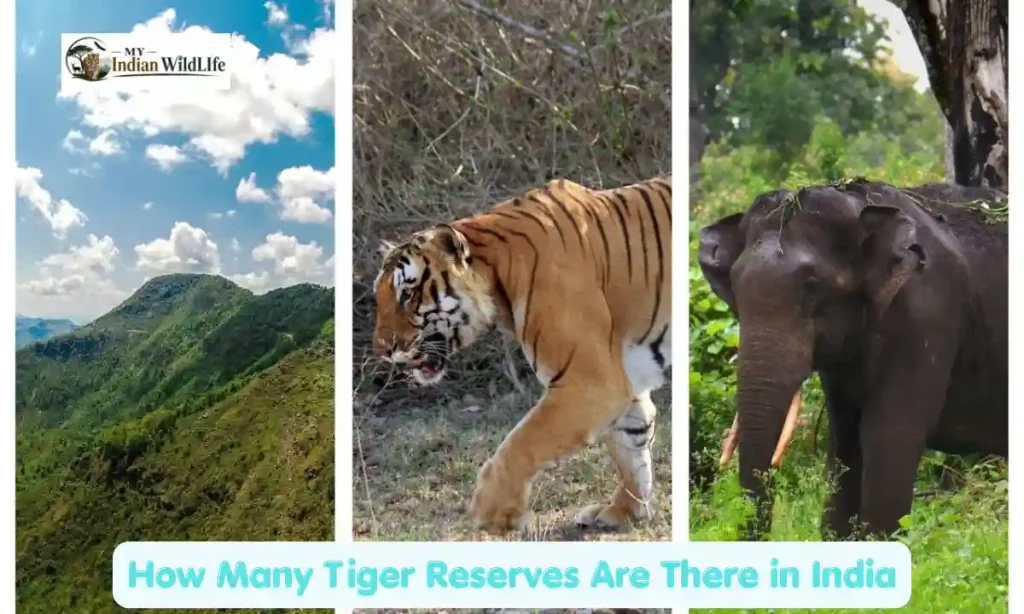
One of the countries with the largest number of wild tigers in the world is India, and India has established an elaborate network of protected areas that are aimed at conserving tigers and other species that inhabit this land. Tiger reserves are special protected zones that manage and conserve not only tigers but also their prey, forest areas, and the ecosystem in general.
By 2026, there were 58 tiger reserves spread throughout various states of India. They differ from each other in their sizes and terrains that include forests, grasslands, mangroves, and mountains. Creation of tiger reserves in India has contributed significantly to the process of wildlife conservation in the country. Many tiger reserves are visited by wildlife enthusiasts and nature lovers.
How Many Tiger Reserves Are There in India?
There are a total of 58 tiger reserves in India. These tiger reserves form a part of the country’s overall tiger conservation program and are linked to Project Tiger, which was started in 1973. The newest tiger reserve to be added to the list is Madhav Tiger Reserve in Madhya Pradesh, India’s 58th Tiger Reserve that was added in 2025. Through the establishment of more protected areas, India has been able to further its mission of tiger habitat preservation and creation of healthy wildlife ecosystems.
Total Number of Tiger Reserves in India
| Details | Information |
|---|---|
| Total Tiger Reserves | 58 |
| Tiger Conservation Programme | Project Tiger |
| Project Tiger Launched | 1973 |
| Latest Tiger Reserve | Madhav Tiger Reserve |
| Latest Addition | 2025 |
| State of Latest Tiger Reserve | Madhya Pradesh |
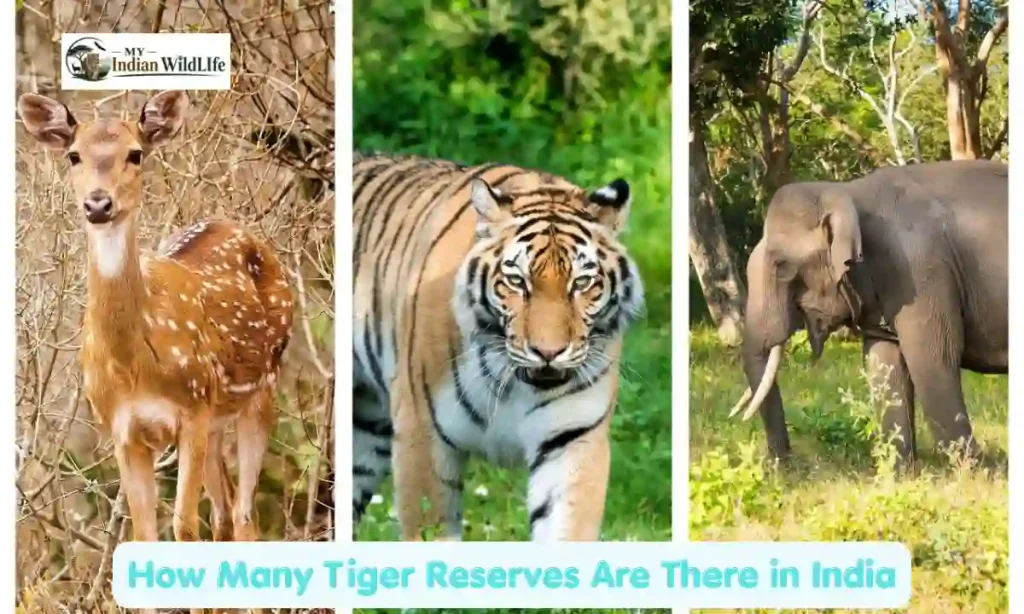
India’s 58 Tiger Reserves at a Glance
Indian tiger reserves can be found in various regions of India. While some of these reserves are well-known for having high visibility of tigers, some of them are also well-known for having their own unique landscapes and biological significance. From the mangroves of Sundarbans to the dry forests of Rajasthan and the central and southern landscapes of India, these tiger reserves cover diverse kinds of habitats that help ensure the future survival of tigers and several other species of wildlife.
List of All Tiger Reserves in India State-Wise
There are 58 tiger reserves located across various states in India. The tiger reserves conserve different types of ecosystems such as tropical rainforests, dry deciduous forests, grasslands, mangrove forests, and mountains. Every tiger reserve has ecological significance in its own way and is home to various animal species.
| State | Tiger Reserves |
|---|---|
| Andhra Pradesh | Nagarjunsagar-Srisailam |
| Arunachal Pradesh | Namdapha, Pakke, Kamlang |
| Assam | Manas, Nameri, Kaziranga, Orang |
| Bihar | Valmiki |
| Chhattisgarh | Indravati, Udanti-Sitanadi, Achanakmar, Guru Ghasidas-Tamor Pingla |
| Jharkhand | Palamau |
| Karnataka | Bandipur, Nagarahole, Bhadra, Kali, BRT Hills |
| Kerala | Periyar, Parambikulam |
| Madhya Pradesh | Kanha, Bandhavgarh, Pench, Panna, Satpura, Sanjay-Dubri, Veerangana Durgavati, Ratapani, Madhav |
| Maharashtra | Melghat, Tadoba-Andhari, Pench, Sahyadri, Navegaon-Nagzira, Bor |
| Mizoram | Dampa |
| Odisha | Similipal, Satkosia |
| Rajasthan | Ranthambore, Sariska, Mukundra Hills, Ramgarh Vishdhari, Dholpur-Karauli |
| Tamil Nadu | Mudumalai, Anamalai, Sathyamangalam, Kalakad-Mundanthurai, Srivilliputhur Megamalai |
| Telangana | Kawal, Amrabad |
| Uttar Pradesh | Dudhwa, Pilibhit, Ranipur |
| Uttarakhand | Corbett, Rajaji |
| West Bengal | Sundarbans, Buxa |
Tiger Reserves in Madhya Pradesh
Madhya Pradesh is considered to be one of India’s most significant tiger conservation zones. There are nine tiger reserves in Madhya Pradesh, some of the best wildlife destinations in India like Kanha, Bandhavgarh, and Pench.
The recent addition to this list is Madhav Tiger Reserve, which was made India’s 58th tiger reserve in 2025. The vast forest cover of the state makes it highly relevant from a tiger conservation perspective. Some of the significant tiger reserves in Madhya Pradesh are Kanha, Bandhavgarh, Pench, Panna, Satpura, Sanjay-Dubri, Veerangana Durgavati, Ratapani, and Madhav.
Tiger Reserves in Rajasthan
The various tiger landscapes of Rajasthan include dry deciduous forests, hilly terrain, and valleys formed by rivers. The Ranthambore Tiger Reserve is one of the most popular tiger landscapes of India, which draws tourists from all over the world. Other significant tiger reserves in Rajasthan include Sariska, Mukundra Hills, Ramgarh Vishdhari, and Dholpur-Karauli Tiger Reserves. These tiger reserves contribute significantly towards the conservation of tiger landscapes in northwestern India.
Tiger Reserves in Maharashtra
Tiger conservation in Maharashtra takes place through six tiger reserves, which ranks Maharashtra as one of the foremost states in terms of tiger conservation efforts. The most popular among them is Tadoba-Andhari, where visitors come to enjoy their holidays and catch glimpses of tigers. Other tiger reserves are Melghat, Pench, Sahyadri, Navegaon-Nagzira and Bor. In addition to tigers, leopards, wild dogs, deer, gaur and various
Tiger Reserves in Karnataka
There are five tiger reserves in Karnataka, and the state is considered very significant for the protection of tigers in southern India. The forest habitats of the state are inhabited by numerous tigers, elephants, leopards, and some other wildlife species.
The tiger reserves located in Karnataka include Bandipur, Nagarahole, Bhadra, Kali, and BRT Hills. The tiger reserves of Bandipur and Nagarahole have gained popularity amongst the wildlife lovers and are important parts of forest habitat in southern India.
Tiger Reserves in Tamil Nadu
The Tamil Nadu state contains five tiger reserves located in various forest zones within the state. The tiger reserves are located within the Western Ghats and other ecologically significant zones.
These tiger reserves are known as Mudumalai, Anamalai, Sathyamangalam, Kalakad-Mundanthurai and Srivilliputhur Megamalai. Specifically, Mudumalai and Sathyamangalam tiger reserves are very significant due to their connection with the wildlife corridor in South India.
Tiger Reserves in Assam
The state has four tiger reserves and is recognized for its high biodiversity and special wildlife habitats. Tigers, one-horned rhinos, elephants, buffalo, and numerous birds are found in the forests and grasslands of Assam.
The four tiger reserves found in Assam are Manas, Nameri, Kaziranga, and Orang. Kaziranga and Manas are among the most renowned conservation areas in northeast India.
Tiger Reserves in Arunachal Pradesh
There are three tiger reserves in Arunachal Pradesh in the forests of northeastern India. All of these tiger reserves include forests and mountains inhabited by various kinds of wildlife species. These tiger reserves of Arunachal Pradesh are Namdapha, Pakke, and Kamlang. Namdapha is famous for its rich forest area and high biodiversity.
Tiger Reserves in Chhattisgarh
Four tiger reserves exist in Chhattisgarh which help preserve some of the most significant forest habitats in central India. The tiger reserve landscapes serve as homes to tigers, as well as other animals like leopards, sloth bears, deers and wild dogs. Indravati, Udanti-Sitanadi, Achanakmar and Guru Ghasidas-Tamor Pingla are the names of the four tiger reserves found in the Chhattisgarh state.
Tiger Reserves in Kerala
There are two tiger reserves in Kerala. Both of them are located in the biodiversity-filled Western Ghats, which is home to dense vegetation, rivers, and various forms of wildlife. The two tiger reserves in Kerala are the Periyar Tiger Reserve and Parambikulam Tiger Reserve. These two areas provide shelter for tigers, elephants, gaur, leopards, and many bird species.
Tiger Reserves in Uttarakhand
There are two tiger reserves in Uttarakhand which are situated in the foothills of the Himalayas. The forests in Uttarakhand are essential for the survival of tigers and various other species. These tiger reserves are Corbett Tiger Reserve and Rajaji Tiger Reserve. The Corbett Tiger Reserve is well known to be the first national park in India.
Tiger Reserves in Other States of India
Besides the tiger reserves in the big tiger states, there are several other states in India which also have significant tiger reserves. The tiger reserves are located in different geographical locations such as the mangrove forests in West Bengal and the dry forests in Rajasthan and Terai in Uttar Pradesh.
Andhra Pradesh
There is only one tiger reserve in Andhra Pradesh, which is Nagarjunsagar-Srisailam Tiger Reserve. It is among the largest tiger habitats in India and covers an extensive area of forest land.
Bihar
There is only one tiger reserve in Bihar, which is called the Valmiki Tiger Reserve. It is located close to the border of Nepal and India, famous for its forests and grassland along with diverse wildlife.
Jharkhand
The state of Jharkhand has only one tiger sanctuary, which is the Palamau Tiger Sanctuary. This tiger sanctuary holds great importance in terms of being a protected forest in eastern India.
Mizoram
In Mizoram, there is only one tiger reserve called the Dampa Tiger Reserve. It lies in the forest hills of northeastern India and houses a variety of animals.
Odisha
There are two tiger reserves in Odisha, namely, Similipal Tiger Reserve and Satkosia Tiger Reserve. Similipal Tiger Reserve is especially famous for its forests, waterfalls and biodiversity.
Telangana
There are two tiger reserves in Telangana – Kawal Tiger Reserve and Amrabad Tiger Reserve. These reserves are significant in the conservation of the forest ecosystem in Southern and Central India.
Uttar Pradesh
Uttar Pradesh has the following three tiger reserves: Dudhwa Tiger Reserve, Pilibhit Tiger Reserve, and Ranipur Tiger Reserve. These tiger reserves protect vital tiger habitats in the Terai area and the Bundelkhand landscape.
West Bengal
The state of West Bengal in India has two tiger reserves – Sunderbans Tiger Reserve and Buxa Tiger Reserve. The Sunderbans tiger reserve is very renowned for its mangrove ecosystem.
Which State Has the Highest Number of Tiger Reserves?
Madhya Pradesh has the largest number of tiger reserves in India, with a total number of nine tiger reserves. It is commonly recognized as an important center of tiger conservation in India due to the presence of vast forests and vast protected areas in the state.
The nine tiger reserves in Madhya Pradesh include Kanha, Bandhavgarh, Pench, Panna, Satpura, Sanjay-Dubri, Veerangana Durgavati, Ratapani and Madhav. Many of these reserves have gained international recognition for their tiger population and wildlife tourism.
Largest Tiger Reserve in India
The Nagarjunsagar-Srisailam Tiger Reserve is the largest tiger reserve in India. The tiger reserve extends to two states in India, namely Andhra Pradesh and Telangana. It is very expansive and comprises forests, hills, and river valleys.
The tiger reserve serves as a home to many wild animals including the tigers. The large landscape of the tiger reserve helps in balancing the ecosystem and protecting the biodiversity.
Smallest Tiger Reserve in India
The Bor Tiger Reserve in Maharashtra is the smallest tiger reserve in India. Even with its small landmass, the park is known to be home to many species of wildlife and acts as a significant link in the chain of tiger reserves in India. Some of the fauna found in Bor Tiger Reserve include tigers, leopards, deers, and birds.
First Tiger Reserve in India
Corbett Tiger Reserve is situated in Uttarakhand and is the first tiger reserve of India. This particular reserve was added to Project Tiger as soon as this project was initiated in the year 1973. This particular area was originally known as Hailey National Park, which was set up in 1936. The name later got changed to Corbett National Park.
Newest Tiger Reserve in India
The Madhav Tiger Reserve located in the state of Madhya Pradesh is one of the most recent tiger reserves established in India. The area was notified as the 58th Tiger Reserve of India in 2025, thus representing another addition to the expanding network of India’s tiger reserves.
The Madhav Tiger Reserve is situated near the Shivpuri district of Madhya Pradesh. The area is characterized by its forests, lakes and abundant wildlife. The designation of the area as one of the tiger reserves in India will contribute to the conservation of wildlife in the area.
Madhav Tiger Reserve – India’s 58th Tiger Reserve
Madhav Tiger Reserve turned out to be the 58th tiger reserve in India and has helped make Madhya Pradesh the Indian state with the largest number of tiger reserves.
Madhav Tiger Reserve is home to a vital forest ecosystem that is rich in biodiversity, including birds and other species of animals. Lakes and the forests surrounding them increase its ecological significance. Also, the creation of the tiger reserve at Madhav has helped preserve wildlife corridors in central India.
What Is Project Tiger?
Project Tiger is the leading tiger conservation project in India which was started in 1973 for the protection of the diminishing tiger population in the nation. The main objectives of Project Tiger include protection of tiger habitats, improved management of wildlife, curbing of poaching activities and maintenance of ecological balance. From a few tiger reserves in its initial stages, Project Tiger has grown into a nation-wide tiger conservation project.
Tiger reserves play an important role in the conservation of tigers in India. Tiger reserves help not only in tiger conservation but also in forest conservation and water conservation and protection of many more flora and fauna.
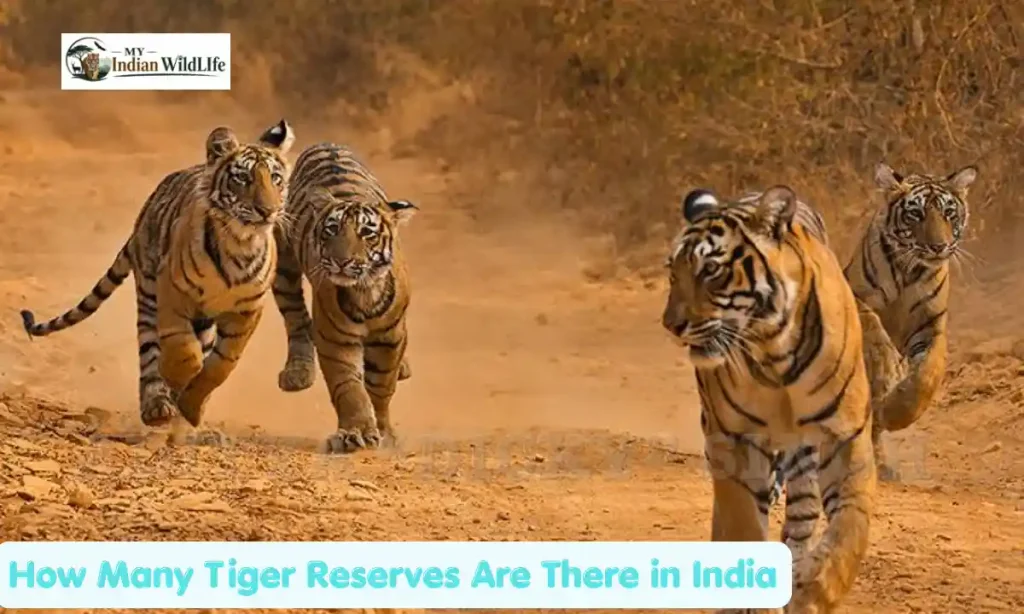
History of Tiger Conservation in India
Conservation efforts for tigers in India became a focal point in the early 1970s when there was a growing worry about the fast-depleting numbers of tigers as a result of hunting and poaching.
Project Tiger was launched by the Government of India in 1973 with the objective of increasing the levels of protection afforded to the tigers and their natural habitats. This project started with the establishment of nine tiger reserves and slowly increased as more and more tiger habitats were included in the list of protected areas. The country now boasts of several tiger reserves which have been set up all across India.
Why Are Tiger Reserves Important?
Tiger reserves are important not just for the preservation of the tigers, but they have importance in preserving whole ecosystems. As an apex predator, tigers perform an important function in the maintenance of food chain equilibrium. These places offer safe havens for a range of species like elephants, leopards, deer, wild dogs, bears, reptiles and birds. Moreover, these places preserve forests, rivers and other natural resources as well.
In addition, tiger reserves also help in scientific research of wildlife and nature conservation programs along with eco-friendly tourism. Through these protected areas, there is a contribution towards the conservation of biological diversity.
Major Animals Found in Indian Tiger Reserves
Indian tiger reserves preserve far more than just tigers. Indian forests and tiger reserves preserve not only tigers but a huge range of animal species. Such animals as leopards, Asian elephants, gaur, sloth bears, wild dogs, sambar deer, chital, nilgai, wild boars and langurs can be found within the tiger reserves. Some specific reserves may also have one-horned rhinoceroses, wild buffaloes, swamp deer and other rare animal species.
It should be noted that biodiversity within a specific tiger reserve is defined by the geographical location, climate and type of forest preserved there. The Sundarbans is known for the presence of mangrove ecosystems, whereas the central reserves in India are characterized by dry and deciduous forests.
Best Tiger Reserves to Visit in India
There are several tiger reserves in India which are popular amongst wildlife enthusiasts and photographers alike. Your choice of the best tiger reserve depends upon your preferences as to what you wish to experience during your visit there.
- Ranthambore Tiger Reserve, Rajasthan – The location of a historical fort and known for tiger sightings.
- Jim Corbett Tiger Reserve, Uttarakhand – Famous for forests, rivers, and wildlife.
- Kanha Tiger Reserve, Madhya Pradesh – Known for extensive sal and bamboo forests.
- Bandhavgarh Tiger Reserve, Madhya Pradesh – The tiger sanctuary that is frequented by tourists for wildlife safaris.
- Pench Tiger Reserve, Madhya Pradesh/Maharashtra – Famous for the beautiful forest landscape.
- Tadoba-Andhari Tiger Reserve, Maharashtra – A popular tiger safari destination in India.
- Kaziranga Tiger Reserve, Assam – Known for its rich wildlife and one-horned rhinoceros.
- Sundarbans Tiger Reserve, West Bengal – Known for the unique mangrove forests and the Royal Bengal Tigers.
- Nagarahole Tiger Reserve, Karnataka – Known for elephants, tigers and dense forests.
- Periyar Tiger Reserve, Kerala – Known for its beautiful lake and the rich flora and fauna.
Best Time to Visit Tiger Reserves in India
The most favorable time for visiting a tiger reserve will depend on the location of the reserve and the kind of experience that one seeks to have while there. Most tiger reserves are open for visits from October through June, though dates may vary. The winter months, October through February, offer favorable weather, bird watching, and overall wildlife experience. It is an enjoyable landscape and, therefore, conducive for visitors and families alike.
The summer months, from March to June, are favorable for those seeking wildlife viewing. With increased temperature, animals tend to come to water sources more often than not. The monsoon season is mostly not favorable since most tiger reserves close during this time of heavy rains and breeding. Nonetheless, some tiger reserves and some of their zones can be open at the discretion of individual regulations.
How to Reach Tiger Reserves in India
The tiger reserves in India are spread all over the country, and hence, the mode of transportation will vary depending on which tiger reserve one intends to visit. The more popular tiger reserves can be accessed by air, rail, or road from neighboring cities/towns.
By Air
Many of the major tiger reserves have connectivity to the nearby airports. Travelers can board the flight to the nearest airport and then travel via car or bus to the reserve area.
By Train
There are some tiger reserves which can be reached through the railway stations. Major railway stations are generally linked to major Indian cities. Therefore, travel by trains is one good way for tourists.
By Road
Tiger reserves are generally accessible by roads connecting from cities and towns nearby. The availability of taxis, cars, buses, and other transport means depends upon the location of the tiger reserve. Traveling by roads becomes the easiest mode to access the entry point and the safari area of the tiger reserve.
By Metro
The metro system is available only in some cities and may not have connectivity to the tiger reserve locations. Travelers may take the metro to reach a big railway station, airport, or bus station and then travel further on train, plane, bus, or taxi to the closest tiger reserve location.
Tiger Reserves in India on Google Map
Tiger Safari and Entry Information
Most of the tiger reserves provide wildlife safaris that are controlled. Jeep safaris and canter safaris are provided by certain tiger reserves, depending on their arrangement. Fees, cost of safari tours, type of vehicle, whether there should be a guide, among others, may vary from one tiger reserve to another. Certain tiger reserves demand prior online booking, especially on weekends, holidays and peak periods. It is always advisable to make inquiries about the current guidelines for safari tours before embarking on any journey. Valid identification documents may be mandatory.
Things to Keep in Mind Before Visiting a Tiger Reserve
- Book your safaris well in advance during the peak period.
- Obey the guidelines given by forest officers and guides.
- Don’t make noise or disturb the animals.
- Don’t feed or get too close to the animals.
- Don’t throw garbage; keep the forest tidy.
- Wear appropriate clothes according to the weather.
- Carry necessary documents with you for entry.
- Stick to the marked safari trails and schedules.
- Don’t count on seeing tigers; wildlife moves freely in the wild.
- Find out the current safari dates and weather before you leave.
Interesting Facts About Tiger Reserves in India
The tiger reserves of India can be considered among the most significant natural reserves in the world. Apart from Bengal tigers, the reserves preserve the forests, rivers, grasslands, and numerous other animal species as well.
- The tiger reserves of India include 58 tiger reserves that cover different types of natural habitats throughout various states.
- Project Tiger was started in the year 1973 with the objective of conserving and protecting India’s rapidly declining tiger population and their habitats.
- Corbett Tiger Reserve located in Uttarakhand is India’s first tiger reserve that comes under Project Tiger.
- There are as many as 9 tiger reserves in Madhya Pradesh, which makes this state home to the most tiger reserves in the country.
- In 2025, Madhav Tiger Reserve was made India’s 58th tiger reserve, which marks its recent addition to India’s list of tiger reserves.
- The Nagarjunsagar-Srisailam Tiger Reserve in Andhra Pradesh and Telangana is India’s largest tiger reserve and occupies a vast forest area.
- The Bor Tiger Reserve in Maharashtra is the smallest tiger reserve of India and is known for its efforts in wildlife conservation.
- Other than the tigers, many animals are protected in the tiger reserves like leopards, elephants, gaur, sloth bears, wild dogs, and different species of deer.
- The tiger reserves of India are home to various and diverse kinds of ecosystems ranging from the mangrove ecosystem in Sundarbans to the tropical ecosystem in central India.
- Generally, tiger reserves are divided into core and buffer regions, which makes the conservation work easier while providing habitat protection to the animals.
- Safari zones and restricted timing and vehicle movements in many tiger reserves help reduce disturbance caused by wildlife tourism to the wildlife.
- The tiger reserves protect some of the important natural resources of India such as forests, rivers, and water catchment areas.
Conclusion
The network of 58 tiger reserves in India is of great significance in the protection of the Bengal tiger and preservation of some of the most precious ecosystems in the country. Starting from the mangrove ecosystem of the Sundarbans, going through the dense forests of central India, and the Himalayan foothills, these reserves showcase the rich biodiversity of India.
The Madhav Tiger Reserve in 2025 became the 58th tiger reserve in the country. These reserves serve not only as the places of protection of tigers but of thousands of other species of wildlife, forests and water bodies, as well as of the future generation. For those interested in wildlife and travelling, these reserves provide a chance to enjoy the nature while learning about the significance of the conservation and eco-tourism.
Faqs
How many tiger reserves are there in India?
As of 2026, India has 58 tiger reserves located across different states. These protected areas play an important role in tiger and wildlife conservation.
Which is the newest tiger reserve in India?
Madhav Tiger Reserve in Madhya Pradesh is the newest tiger reserve in India. It became the country’s 58th tiger reserve in 2025.
Which state has the highest number of tiger reserves in India?
Madhya Pradesh has the highest number of tiger reserves in India, with a total of nine tiger reserves.
Which is the largest tiger reserve in India?
The Nagarjunsagar-Srisailam Tiger Reserve is the largest tiger reserve in India. It extends across parts of Andhra Pradesh and Telangana.
Which is the smallest tiger reserve in India?
Bor Tiger Reserve in Maharashtra is the smallest tiger reserve in India.
Which was the first tiger reserve in India?
Corbett Tiger Reserve in Uttarakhand was the first tiger reserve established under Project Tiger in 1973
When was Project Tiger launched in India?
Project Tiger was launched on April 1, 1973, to protect India’s tiger population and conserve their natural habitats.
Can tourists visit tiger reserves in India?
Yes, many tiger reserves in India are open to tourists. Visitors can enjoy regulated jeep safaris, canter safaris, nature experiences and wildlife photography, depending on the reserve.
What is the best time to visit tiger reserves in India?
The best time varies by location, but October to June is generally considered suitable for visiting many tiger reserves. Winter offers pleasant weather, while summer can provide better wildlife sightings.
Are tiger sightings guaranteed during a safari?
No, tiger sightings are not guaranteed because tigers are wild animals and move freely within their natural habitat. Sightings depend on factors such as the safari zone, season, weather and animal movement.
Also,Read About: Shoolpaneshwar Wildlife Sanctuary: A Complete Travel Guide