
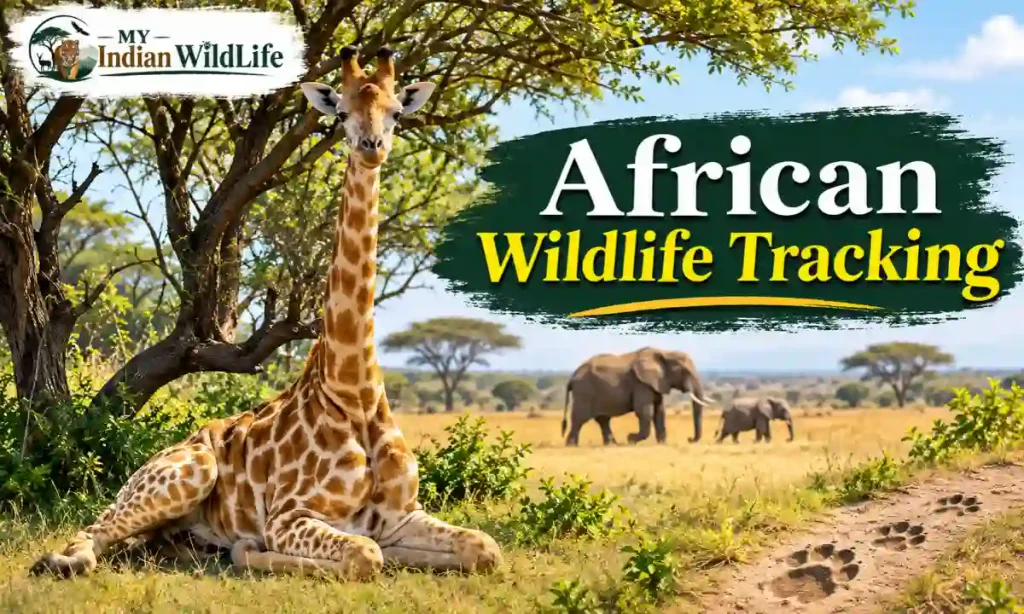
African wildlife tracking is arguably one of the most interesting ways of exploring the nature and understanding behavior of wild animals. The tracking process involves studying animal tracks, bite marks on plants, feces, broken twigs, animal sounds, and other signs that are left by wild animals. These signs provide experts with information about different species of animals, their migration and survival skills in the natural environment.
Many of the most impressive wildlife species of the world reside in Africa. Some of these species include elephants, lions, leopards, cheetahs, rhinos, giraffes, and African wild dogs. These animals inhabit varied environments, ranging from open savannas, tropical forests, wetlands, desert regions, and grasslands. By studying the wildlife in the environment, researchers and visitors get to learn more about these natural habitats than just studying the animals.
In the current day and age, African wildlife tracking serves many purposes in protecting and studying wildlife. Not only does wildlife tracking play a major role in wildlife conservation and scientific research, but also in organized safaris and other tours. Traditional knowledge of wildlife tracking is integrated with technology such as GPS equipment, satellite imagery and camera trapping.
What Is African Wildlife Tracking and How Does It Work?
Wildlife tracking of Africa refers to the identification and tracking of animals that make use of the analysis of the natural indicators of their presence in the environment. Trackers observe footprints, feces, feeding grounds, marks on trees, feathers, hairs, and other indicators to determine which kinds of animals have visited certain places.
It starts with the observation of the surface of the earth as well as the environment surrounding it. The trackers analyze the footprint indicators in terms of their shapes, sizes, depths, and directions in order to establish possible types of animals that might have made them. They also need to consider various environmental aspects such as soil quality, rains, winds, and vegetation because they affect the visibility of animal indicators.
There are situations where trackers do not follow animals physically. Instead, they apply various techniques such as the use of cameras, GPS, and others.
History and Traditional Importance of Wildlife Tracking in Africa
For thousands of years, wildlife tracking has existed in Africa. Local communities have developed great understanding of the tracks, behaviour, seasonal migration patterns and natural habitat of different animals thanks to close contact with nature. Tracking contributed greatly to people’s ability to navigate new territory and comprehend the wildlife.
Traditionally, tracking was a vital skill used by people in order to hunt, gather food, protect their livestock from predators, and detect threats. The ability to distinguish the difference between the tracks of a predator and those of a herbivore, understand the sounds produced by various animals and traces left behind them was developed in practice by elders of the community.
Gradually, the art of traditional tracking became an integral part of professional wildlife management and conservation. Now in Africa, national parks and safari destinations employ traditional trackers, whose skills are utilized in guided walking safaris and wildlife studies.
Importance of African Wildlife Tracking for Nature and Conservation
African wildlife tracking is an essential factor that helps to understand animal behavior and ecological equilibrium as well as to preserve biodiversity. This technique offers important information on animal migrations, diets, interaction with other organisms, and how animals adapt to the surrounding environment.
Wildlife Conservation and Endangered Species Protection
Wildlife tracking assists conservationists in tracking animal populations that are endangered and vulnerable within African environments. Through tracking, researchers are able to know which areas are used by various animal species through their footprints and movements.
It is especially necessary in the conservation of rhinos, African wild dogs, elephants and other endangered animals. Monitoring allows conservationists to know any changes in the habitat and come up with appropriate protection methods for the animals.
Anti-Poaching Activities and Wildlife Security
Illegal hunting and trafficking of wildlife are major challenges faced by some animal species in Africa. Skills in tracking aid park rangers and conservationists in detecting any unusual human behavior that might be associated with poaching.
Trained trackers will notice unusual human footprints, damage to vegetation and equipment left behind and use these factors to investigate potential poaching. This information can also be used alongside other security strategies such as patrol.
Scientific Research and Animal Behaviour Studies
The study of wildlife tracking gives scientists important information about the behaviors of animals and the environment. From footprints, feeding traces, droppings, and patterns of movement, scientists are able to know how various animals use the natural habitat.
Scientists also observe the behavior of the animals throughout the year to understand the changes in the habits of the animals, including feeding and mating behavior and migration habits.
Safari Tourism and Educational Experiences
Wildlife tracking adds education value and excitement to safari in Africa. Visitors do not have to search for wildlife; rather, visitors learn how to track wildlife through the study of footprints and other natural signs left behind.
Walking safaris give visitors a chance to see the finer details of nature that cannot be seen while on the vehicle-based game drives. Walking safaris expose tourists to the local culture of tracking and conservation of wildlife habitat.
Ecosystem Protection and Habitat Management
Various kinds of animals have vital roles to play in the health of ecosystems. Grazing and browsing by herbivores affect the vegetative cover, while predators contribute to the regulation of their prey’s population.
The study of wildlife tracking provides information on how animals make use of their feeding, watering, and breeding sites.
Most Popular African Animals Tracked in the Wild
There is an incredibly diverse range of species found within Africa, and therefore this continent ranks highly among those used for animal tracking. Every animal has its own distinct footprint pattern which can be distinguished by experienced trackers.
African Elephant Tracking and Identification
African elephants are among the biggest mammals on Earth and an integral part of the African fauna. Elephants are usually followed according to their large tracks, manure, broken branches, torn barks of trees, and traces of grazing.
The tracks left by elephants give some information about their approximate size and direction of motion. Feedings and routes to watering places are also observed to track elephants. As elephants move in herds, the routes may have tracks of several elephants at once.
African Lion Tracking and Footprint Recognition
The African lion is known to be among the most recognizable predators on the continent. The lions usually live in social groups known as prides and inhabit grasslands, savannahs, and some woodlands.
Generally, the footprints of the lions are characterized by four toes and a wide heel pad, and claw marks are rarely found because they keep their claws retracted while walking.
African Leopard Tracking in Dense Forests
African leopards are carnivorous animals, living alone and being extremely strong, agile, and well-camouflaged. These predators are able to live in various environments from forests and mountainous areas to woodlands.
Leopard tracks are usually rounded and have four toes with a big heel pad. Other signs that trackers pay attention to include tree scratches, scent marks, sleeping places, and signs of carrying the prey to the trees. It is rather difficult to track leopards as they usually move through thick vegetation.
African Cheetah Tracking Across Open Grasslands
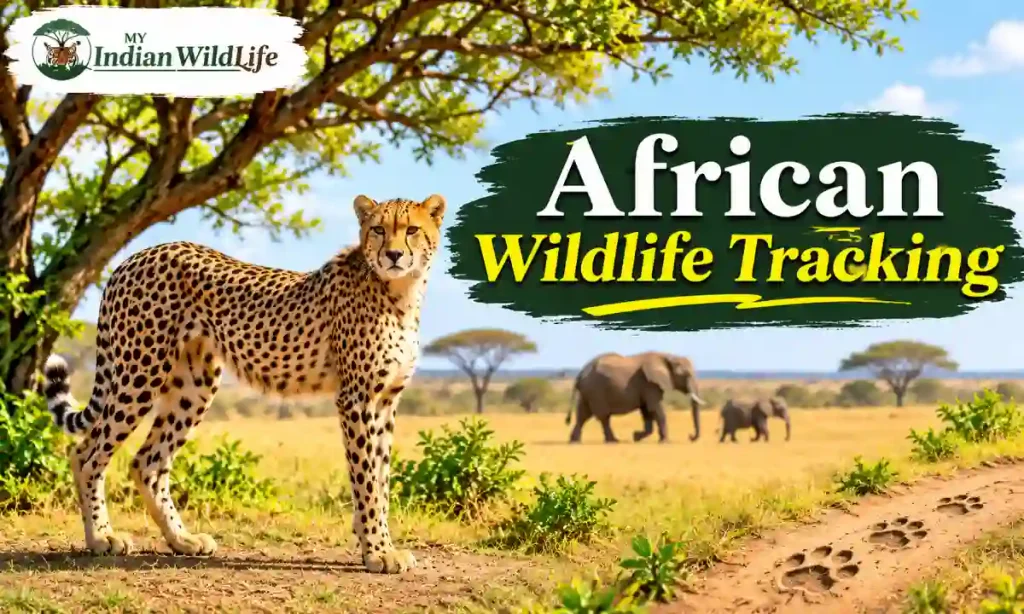
African cheetah is well-known for its speed in running and hunting its prey in the open grasslands. Cheetah differs from other felines like lions and leopards in having only partially retractable claws which make claw marks on the ground.
Cheetah track signs include claw marks, disturbed grass, sleeping spots, and dead prey left behind. The cheetah is of great interest because its activities usually depend on the open land.
African Wild Dog Tracking and Pack Behaviour
The African wild dog is a very social animal that exists and hunts in organized packs. The species is well known because of its great teamwork, communication abilities, and long-range traveling during hunting.
Signs of wild dogs’ feet help to identify the overall movements of the pack. In addition, many overlapping traces, odor marks, rest places, and dens give more information on the activities of this animal. Such tracking is very helpful when observing the endangered species.
African Rhinoceros Tracking and Conservation
The African rhinoceros is a large herbivore that plays a significant role in sustaining natural grasslands and woodlands. This animal has three toes that leave distinctively recognizable tracks.
Other methods include the study of droppings, feeding marks, wallowing sites, and territorial markings. Wildlife tracking serves a crucial purpose for conservationists looking to save the rhinoceros from extinction through poaching and habitat destruction.
African Giraffe Tracking and Feeding Patterns
The African giraffe is known for its very long neck, distinct markings on its skin, and height. Its main food source is the leaves of trees and shrubs, particularly those of acacia.
In tracking the giraffe, one looks for its footprints, which come in pairs. One also studies its marks made when eating from the trees. Through this, it becomes easier to identify where they had been.
Different Methods and Techniques Used in African Wildlife Tracking
Tracking animals in Africa can be done through various traditional and advanced methods, which aid trackers to get information on how the animal moves around. Each animal creates unique markings in the environment, and it takes expertise in tracking the behaviors of animals to identify such markings.
Various tracking methods may be used by trackers for more accurate results. Traditional methods rely on footprints and natural markings while modern methods utilize cameras, GPS and satellite technology to track animals.
Animal Footprint Tracking and Identification
Footprint tracking is one of the oldest techniques of tracking animals in Africa. This involves making impressions on the surface, whether sand, soil, or any soft ground as the animal moves. This impression is helpful in determining the type of animal, movement direction, and even the size of the animal, among others.
Professionals in tracking analyze such things like the footprint shape, number of toes, claw imprints, the depth of the footprint, and spacing of footprints, among others. For instance, elephants will make big rounded footprints while lions and leopards make paw imprints. It is also important to note that the condition of the ground should be taken into consideration.
Scat Analysis and Animal Droppings Identification
Scat analysis is yet another way to track wildlife. The word “scat” means droppings of animals that carry useful information concerning the species of an animal, diet, state of health, and the presence of wildlife in certain regions.
Scientists analyze such factors as the visual characteristics of droppings, their location, and composition in order to learn more about the diets of animals. Herbivores’ droppings may include plant residues, while those of carnivores may include traces of their prey.
In modern science of conservation biology, scientists even conduct the analysis of scats in laboratories to learn about DNA and other biological properties of wildlife.
Feeding Signs and Vegetation Damage Tracking
In most cases, the traces left by animals while searching for food are clearly visible. Such traces could be bites on leaves, broken branches, tree barks that have been scratched, soil marks, as well as uneaten portions of plants or even the remnants of the prey.
Different animal species leave different types of food marks based on their body type and diet. The marks could range from food remains, drag marks, and more around areas where predators hunt.
This method of identifying animals through food traces has proved helpful to experienced trackers. They use this technique to determine which animals have been at particular places and their food needs.
Sound-Based Wildlife Tracking
Sound tracking entails locating animals through sounds made by them through their calls, vocalizations, and any other natural sound. In Africa, many animals use sounds for communication, thereby giving us information on their presence and behavior.
For example, lions make a loud roar, elephants use various vocalizations, birds use calls, and hyenas make sounds that an observer can use to identify their movements.
Professional trackers and researchers listen to such sounds for information as to whether the animals are communicating, establishing territories, or warning other animals of the presence of other wildlife around them.
Animal Scent and Territorial Marking Identification
A number of African animals use smell to communicate within their species. They might leave smells through urine, feces, glandular secretions, or even through rubbing of tree barks.
Predators like lions and leopards communicate territorial messages by means of scent marking. Other mammals also use smell for purposes of identifying members of the same species and reproductive state.
The trackers analyze these scents in order to identify the species occupying that area. Scent analysis, however, is usually easier when combined with other signs such as tracks or food remains.
Camera Trap Monitoring and Wildlife Photography
Camera traps are cameras designed to take pictures or video whenever animals are in their vicinity. They are usually set up in areas where the animals are often found such as in paths, watering holes, feeding sites, among others.
This tool makes it easier for researchers to study animals even without being in close proximity with them. They are able to capture images of animals which are not easily seen, rare animals, and animals even during nighttime.
Camera traps are especially helpful when observing animals such as leopards, African wild dogs, and hyenas, which are hard to observe.
How to Reach African Wildlife Tracking Destinations
Destinations for African animal tracking can be accessed via international airports, domestic air travel, road transport, and planned safari tours. Wildlife parks in South Africa, Kenya, Tanzania, Botswana, Namibia, and Zambia are accessible by nearby cities and regional airports.
How to Reach by Air
International travelers are able to fly into airports in cities like Johannesburg, Nairobi, Dar es Salaam, Maun, Windhoek, and Lusaka. Domestic flights or transfers from here will take you to the nearby national parks and game reserves.
How to Reach by Road
Getting around by road is one of the common ways of accessing the national parks of Africa. Tourists can use the services of safari vehicles, private transfers, and organized wildlife trips.
How to Reach by Train
Although trains can be found in certain African countries, linking major cities and specific tourism destinations, most of the national parks need further road travel for access to the gates.
How to Reach by Bus
Inter-city buses connect major cities in some African countries. Tourists can take inter-city buses to reach near towns and then find local transport to wildlife parks.
How to Reach by Safari Tour
Organizing an organised safari trip is one of the most straightforward approaches for investigating wildlife tracking locations in Africa. Typically, the tour organizers handle all transport, lodging, guiding services, and wildlife tracking experiences.
African Wildlife Tracking Locations on Google Maps
The African destinations for wildlife tracking are spread in various countries such as South Africa, Kenya, Tanzania, Botswana, Namibia, and Zambia. The visitors can utilize the help of Google Maps in order to locate the famous national parks and wildlife reserves along with airports, safari lodges, and entry points into parks. The destinations include Kruger National Park, Serengeti National Park, Maasai Mara National Reserve, Okavango Delta, Etosha National Park, and South Luangwa National Park.
GPS and Satellite-Based Animal Tracking
GPS tracking is an advanced approach that enables scientists to keep track of animal movements over extensive geographic regions. Some scientists put tracking collars or tags on certain animals under appropriate guidance of wildlife experts and veterinarians.
They record the geolocation of animals at regular intervals and help scientists know about their migration patterns, feeding places, resting places, and habitats.
Scientists can track down the movement of animals using satellites who move through national parks and international boundaries. This method is particularly useful in knowing about the movement of elephants, lions, and migrating herbivores.
Best Places and National Parks for African Wildlife Tracking
There are many national parks, wildlife parks, and other areas that are suitable for studying animals in the wild in Africa.
They are known for their biodiversity, safari tours, and conservation efforts. In some national parks, there are walking safaris that allow people to observe animal footprints.
Kruger National Park, South Africa
Kruger National Park is one of the most well-known wildlife locations in Africa. Located in northeastern South Africa, the park is a vast protected area consisting of grassland, woodland, rivers, and other natural habitat types.
There are various types of animals present in the park, such as elephants, lions, leopards, rhinos, buffaloes, giraffes, and antelopes among others. There are various ways for tourists to view the wildlife here, such as game drives and walks.
Wildlife tracking at the Kruger National Park entails looking for tracks, scratch marks, droppings, and other forms of sign. This allows visitors to understand how different animals utilize the habitat depending on the season.
Serengeti National Park, Tanzania
Serengeti National Park is internationally renowned due to the extensive plains, diversity of wildlife, and the Great Migration phenomenon. The park is one of the best ecosystems for the study of migrations of animals.
In the park, one will find such animals as lions, leopards, cheetahs, elephants, zebras, wildebeest, hyenas, and many more. During the time of migration, vast herds of grass-eating animals migrate through the greater Serengeti ecosystem in search of new vegetation and water sources.
The use of tracking in the Serengeti enables scientists to study migration patterns, movements of predators, behavior while feeding, and seasonality of the movements. The tourists can also get familiar with animal trails and wildlife.
Maasai Mara National Reserve, Kenya
Maasai Mara National Reserve is among the best-known places in Kenya where visitors can see wild animals. The park is known for its wide open spaces, high concentration of predators, and links to the Great Migration.
This reserve is home to lions, leopards, cheetahs, elephants, giraffes, zebras, wildebeest, and many more species. This place offers ideal conditions for watching the behavior of animals and their interactions.
Activities involving wildlife tracking include finding footprints, analyzing the eating zones, and observing the movements of various species. The guides provide information about the natural habitat and animal behavior.
Okavango Delta, Botswana
The Okavango Delta is one of the most unique wetlands ecosystems located in Botswana. It comprises waterways, floodplains, islands, grasslands that provide habitats for a diverse range of animal life.
Some of the animals that can be found here include elephants, hippos, crocodiles, lions, leopards, antelopes, and many other species of birds. Seasonal flooding plays an important role in the migration and food search of the animals.
Animal tracking in the Okavango Delta consists in studying the animal tracks near the waterways, distribution of the vegetation, and migration from the dry lands to the flooded areas.
Etosha National Park, Namibia
The Etosha National Park is among the most prominent conservation areas of Namibia. It is well known because of its huge salt pan, the open grassland, and the water holes, which make animals gather at various times of the year.
This park has elephants, lions, giraffes, zebras, black rhinoceros, and a variety of antelopes. In times of drought, water sources play an important role for animals.
Trackers are able to trace footprints in the vicinity of the waterholes and look at the traces of eating of the animals. Open landscape facilitates observation of animals.
South Luangwa National Park, Zambia
South Luangwa National Park is one of the renowned wildlife parks in eastern Zambia. The park is noted due to the walking safari practices and different kinds of habitats that exist in the park.
The park hosts elephants, leopards, lions, giraffes, zebras, buffaloes, and many other types of wildlife. The rivers and forests around the park provide ideal habitats for many animals.
Through walking safaris, people get an opportunity to understand things like footprints, animal droppings, bird songs, and food traces of different animals.
How Professional Wildlife Trackers Identify Animal Footprints
Recognizing animal tracks is an essential aspect of wildlife tracking in Africa. The trained trackers use different factors such as the nature of the track, the size, depth, and the pattern before coming up with the animal that could have moved around the place.
Track identification does not rely on one factor only; several factors are taken into consideration.
Understanding Footprint Shape and Size
The form and the size of the track are among the first things that a tracker looks at. All animals have different forms of feet that produce specific imprints in soft soil.
Tracks of elephants have rounded forms, whereas tracks of lions and leopards have paw-like forms. Tracks of herbivores, for example, zebras and antelopes, usually have the shape of hooves.
The size of the track can be a helpful indicator of what animal it belongs to; however, it is not the only way to identify an animal.
Identifying Animal Toes and Claw Marks
Toes and their pattern can be used to differentiate between various animals. For predators like lions and leopards, footprints consist of four toes and a center heel print.
Claws can also give some clues. While lion and leopard track prints usually lack any claw marks since their claws are fully retractable, the cheetah footprint sometimes shows claw marks since their claws cannot be fully retracted.
Such differences allow an experienced tracker to recognize various predator tracks under certain conditions.
Studying Stride Length and Walking Patterns
The term “stride length” is used to describe the distance between consecutive footprints left behind by an animal. This could give clues on whether the animal was walking, running, or was moving slowly.
During running, the distance between footprints could become greater as well as assume new patterns as compared to normal walking. Also, the positions of front and rear footprints could explain the movement.
Nevertheless, the stride length changes depending on the size of the animal, speed, terrain, and behaviour of that particular animal.
Understanding Track Depth and Ground Conditions
In some cases, the depth of an animal’s footprint might be indicative of how the animal moves and its weight. The heavier the animal, the deeper the mark made on the soft ground, while light creatures tend to make shallower footprints.
The state of the ground is one of the significant factors determining the depth of the footprint. Different soils, such as wet mud, dry soil, sand, and even stones will yield different results. This information is taken into account by trackers when analyzing tracks.
Identifying Animal Direction and Movement
The pattern in which the prints were made can be used in establishing the direction in which the animal was moving. The orientation of the impressions as well as the trail itself is studied.
Other factors such as the spacing between the impressions and direction in which they were made may reveal when an animal paused, changed its direction, or speed.
It is important to constantly observe the trail as natural tracks are affected by wind, rain, other animals, or even people.
Essential Equipment Required for African Wildlife Tracking
Proper planning is very important for wildlife tracking, particularly if such activity is to be conducted in remote areas of Africa. Even though traditional trackers may be able to recognize many tracks through observations, proper equipment would make things easier and more effective. The nature of the equipment needed will depend on various factors.
| Equipment | Main Purpose |
|---|---|
| Binoculars | Observing animals from a safe distance |
| Field notebook | Recording footprints and wildlife observations |
| Digital camera | Photographing animal tracks and natural signs |
| GPS device | Recording geographical locations |
| Map | Understanding the surrounding landscape |
| Compass | Identifying directions |
| Walking boots | Protecting feet during outdoor activities |
| Water bottle | Maintaining hydration |
| First-aid kit | Handling minor emergencies |
| Appropriate clothing | Protection from weather and vegetation |
| Flashlight | Providing visibility in low-light conditions |
| Mobile communication device | Contacting guides or emergency services |
Professional researchers can also make use of specialized equipment like camera traps, satellite trackers, animal monitoring collars, and environmental sensors.
Equipment must never be used as an excuse for visitors to get too close to wild animals that might harm them. All tracking should always conform to local guidelines.
Role of Indigenous Communities and Local Trackers in African Wildlife Conservation
It is important for local people and trackers to be involved in the protection of the wildlife in Africa. Most of the communities residing around national parks and other protected areas have decades of experience of learning about animal behaviour, recognizing footprints, seasonal migration, and change in the environment around them.
Trackers’ skills are usually acquired through experience over several years. They know how to recognize tracks of animals, signs of eating, droppings, territory and other markers that can tell us about the presence of wildlife. Their understanding of the landscape around is valuable for conservation projects and safaris.
Currently, most wildlife organizations in Africa collaborate with local communities in order to make the conservation efforts better. Their involvement helps to preserve the environment, create job opportunities, develop sustainable tourism, and pass environmental traditions to young generation.
Traditional Tracking Knowledge and Indigenous Skills
Tracking wildlife is an essential practice of many African cultures. For many generations, people have been taught to identify species through animal tracks, sounds, and various other indications of their presence in nature.
Traditionally, trackers used their expertise in such fields as hunting for food, securing cattle from predators, keeping away from dangerous animals, and identifying seasonal variations. Trackers also had a thorough understanding of water sources, vegetation, and the natural behavior of wildlife.
Currently, traditional knowledge helps to further study wildlife and its conservation efforts. A combination of indigenous and scientific approaches yields a wider picture of the African nature.
Employment Opportunities for Local Wildlife Trackers
African tourism of wild life helps to create job opportunities for the local people who live near African national parks and reserves. The local people can become professional trackers, safari guides, conservationists, drivers, scientists and safari operators.
Due to their knowledge about the landscape surrounding them, the local people make useful members of the wildlife tourism team. Tourists also benefit from learning about the behavior of animals and traditions from the experienced guides.
Sustainable safari tourism can be an economic activity which will encourage wildlife conservation.
Community Participation in Wildlife Protection
Communities in local regions can play a role in the conservation of wildlife through observing strange animal behavior, contributing towards habitat protection, and engaging in wildlife conservation educational programs.
Moreover, community conservation programs assist in minimizing the conflicts between humans and wildlife. When elephants, lions, and other large animals approach the villages, local knowledge can be helpful in finding out about their movement tracks and areas where there is the possibility of conflict.
When communities derive economic and social gains from wildlife conservation, they get better chances to be involved in wildlife conservation efforts.
How African Wildlife Tracking Supports Endangered Species Conservation
Animal tracking in Africa is one of the most effective techniques used in the conservation of animals that are endangered or vulnerable. Animals have to contend with habitat loss, poaching, global warming, and man-wildlife conflicts.
Animal tracking aids in getting information about the habitats of these animals and how they travel. This data enables scientists to conduct research and monitor these animals.
Monitoring Rare and Endangered Wildlife
Certain types of animals found in Africa need monitoring because they have problems related to conservation. Some of these animals are black rhinoceroses, African wild dogs, and some populations of elephants.
The trackers detect footprints, droppings, feeding behavior, and other clues left by the animals in their natural environment. Camera traps and GPS monitoring will also give information about animal movement.
This way, it is possible to assess population distribution and find out more about regions that need protection.
Understanding Seasonal Animal Migration
Seasonal migration plays a vital role in the survival of various African animal species. Seasonal migration involves moving from one habitat to another in search of new sources of vegetation, water, and breeding grounds.
The Great Migration is the best example of seasonal migration occurring in the Serengeti-Mara ecosystem. This involves the movement of wildebeests and zebras through Tanzania and Kenya depending on changes in the environment.
Wildlife monitoring assists in the study of migration routes and seasonally migrating animals as well as the factors that influence migration. This data can be used in managing migration corridors and grazing areas.
Reducing Human-Wildlife Conflict
Human-wildlife conflicts arise when wild animals fight for land or resource with humans. Wild elephants could damage crops while predators may prey on livestock and other animals could come to areas near human settlements.
Through tracking, conservation teams gain knowledge about how wildlife travel in their shared landscape with humans. Through tracking frequently used trails and movement corridors, scientists will help in developing a proper land use and conflict management plan.
Community awareness programs, early warning systems, good barriers, and proper livestock management could also prevent dangerous interactions.
Protecting Natural Habitats and Wildlife Corridors
Wildlife corridors are natural habitats where the animals move from one habitat to another. Corridors play an integral role in the migration, feeding, breeding, and gene flow of animal species.
Tracking offers information regarding the trails animals use often. This information is vital for conservation groups since it enables them to determine the landscapes that should be conserved.
Connections of the habitats are essential since human activities such as construction of roads, settlement, and agriculture may limit animal movements.
Best Time and Season for African Wildlife Tracking
The right time for wildlife tracking in Africa will vary depending on the location, climatic conditions, the particular animals to be observed, and the kind of tracking experience one seeks. Africa experiences varied seasons at various locations depending on the particular parts of the continent and thus the ideal period for visiting will differ.
In most safari locations, the dry season presents suitable conditions for observing large mammals since there is less vegetation cover and animals tend to congregate near the available sources of water. The wet season will also present ideal times for tracking due to easily identifiable footprints.
Wildlife Tracking During the Dry Season
Dry season is a good time for game watching in many African safari sites. This is because there will be no much rain in many parts during this season, while in other parts some sources of water become scarce.
The animals are therefore forced to move to perennial water bodies such as rivers, lakes, and watering holes where they can be seen easily in the right places. Fewer plants will also help to see better in the grasslands and savannahs.
Dry seasons are different in many countries and parks. It is advisable to know about them before embarking on the adventure.
Wildlife Tracking During the Wet Season
Rainfall is associated with greenness due to vegetation and animals migrating. There will be plenty of greenery observed in most parts of Africa together with availability of water.
Wet soils and mud may enable identification of tracks left behind by animals while breeding habits and feeding patterns of herbivores may change.
Unfortunately, rainfalls might lead to destruction of tracks by washing them off. Additionally, visibility of tracks might be hampered by dense vegetation and poor road conditions.
Best Time of Day for Animal Tracking
The early morning and evening times tend to be favorable for wildlife watching in most safari destinations in Africa. The temperatures are relatively cooler and many animal species tend to be more active at these times.
In the morning, the wildlife watchers may get a chance to see fresh footprints from the night while afternoon watching may provide some information on how the animals feed and move about after resting in the day.
Wildlife watching during the night is another possibility in some safari trips, however, some guidelines need to be followed.
Major Challenges Faced During African Wildlife Tracking
For tracking of wildlife in Africa, patience, experience, and the ability to understand the natural environment are essential. While today’s technology has made tracking easier, there are a number of issues that could hinder the process.
Difficult Terrain and Dense Vegetation
African terrain encompasses a variety of landscapes such as forest, mountain, wetland, desert, and grassland. Different types of landscapes offer different difficulties to the tracker.
A jungle may conceal tracks and trails as well as the terrain may be rocky and fail to leave prints. Similarly, a wetland area makes tracking hard.
Changing Weather and Environmental Conditions
Weather plays an important role in the tracking of animals. High amounts of rainfall may cause tracks to disappear, and high winds may fill them with sand and dry leaves. High temperature may also pose challenges for trackers. They must learn how the weather impacts natural signs first.
Difficulty in Identifying Similar Animal Footprints
There are certain species of animals whose footprints resemble each other, especially when the impressions are distorted. For instance, identifying certain antelopes from their footprints alone might be a challenge. One has to look at various factors such as shape, size, stride length, among others.
Dangerous Wildlife Encounters
The monitoring of big carnivores and herbivores comes with some dangers since lions, elephants, buffalos, rhinos, and hippos may act unpredictably if threatened or cornered.
Professional trackers make sure that one remains at a safe distance from the animals in question. People should not conduct any tracking on their own when such animals are around.
Habitat Destruction and Human Activities
Deforestation, agricultural encroachment, road construction, human settlement, and infrastructure development can disrupt natural habitats of wildlife.
These factors will lead to the destruction of animal pathways, lack of access to water sources, and migration corridors. Conservationists will find it challenging to keep track of the wildlife population.
Important Safety Rules and Precautions for African Wildlife Tracking
Safety is among the main aspects when it comes to tracking wildlife in Africa. There are wild animals in natural environments that may be dangerous depending on various situations such as feeling threatened, protecting their young ones, or defending their territories.
One thing that visitors need to note is that wildlife tracking does not involve getting near wild animals. It involves noting the signs in nature.
Important safety rules include:
- Always Hire an Experienced Guide: Choose authorised guides who understand local wildlife behaviour and safety procedures.
- Maintain a Safe Distance: Never approach, touch, feed, or attempt to photograph animals from dangerously close distances.
- Follow Park Regulations: Every protected area has rules regarding walking safaris, vehicles, photography, and wildlife observation.
- Avoid Walking Alone: Never enter unfamiliar wildlife habitats without appropriate supervision.
- Wear Suitable Clothing: Use comfortable walking shoes and clothing appropriate for the weather and environment.
- Carry Drinking Water: Staying hydrated is important during outdoor activities, especially in hot African climates.
- Respect Animal Behaviour: Avoid disturbing animals during feeding, resting, breeding, or caring for their young.
- Stay Alert: Pay attention to your surroundings and follow instructions from professional trackers.
- arry Essential Supplies: Keep a basic first-aid kit and suitable communication equipment available.
- Never Chase Wildlife: Do not follow animals in a way that causes stress or forces them to change their natural movement.
African Wildlife Tracking Guide for Beginners
Wildlife tracking in Africa is a thrilling learning process for individuals who have interest in nature and animals. But the development of these skills requires time because each animal species and habitat gives different natural cues to learn from.
Individuals who are novices should first understand how to identify different animals and footprints. They can start by studying tracks in soft soil, signs of feeding on trees, and animal droppings.
Learn About Common African Animal Footprints
For starters, it is important to be aware of the difference between paw prints and hooves. The footprints of elephants, zebras, antelopes, lions, and leopards differ from each other. Understanding these differences will help beginners to identify animals during wildlife tours.
Join a Guided Walking Safari
Guided walking safaris provide an opportunity for people to learn the art of wildlife tracking in a safe environment. Trained trackers teach visitors how to identify footprints, feeding and movement patterns. People also get a chance to learn about the local ecosystem and the need to stay at a safe distance from wildlife.
Carry a Wildlife Observation Notebook
Maintaining a journal is another good method to aid in the management of information. New trackers can log details of animal tracks, conditions in the habitat, weather, and other observations. Through these observations, they will be able to see patterns and learn how animals utilize their habitat.
Understand Animal Behaviour Before Tracking
It is equally important for students to know about animal behavior as it is to be able to recognize tracks. Novice trackers should know what animals are social, territorial, nocturnal, and migratory. Such information can help to understand why animals occupy certain habitats.
Practise Responsible Wildlife Observation
For starters, it is important to view wildlife without tampering with the natural environment. This involves not tampering with animal tracks and natural objects and avoiding contact with animals without the aid of professionals. It is therefore necessary to learn about wildlife without interfering with environmental conservation efforts.
Traditional vs Modern African Wildlife Tracking Methods
Both the traditional and modern tracking systems help in the conservation of African wildlife. The traditional system utilizes direct observation and natural signals, whereas the modern system makes use of electronic devices and scientific information. The integration of these two systems aids the conservationists in getting comprehensive information.
| Comparison | Traditional Tracking | Modern Tracking |
|---|---|---|
| Main approach | Observing natural signs | Using technology and digital monitoring |
| Equipment | Basic field tools | GPS, cameras, sensors, and tracking devices |
| Information source | Footprints, sounds, droppings, and feeding marks | Satellite data, photographs, and location records |
| Skills required | Field experience and natural observation | Technical knowledge and scientific analysis |
| Monitoring | Direct observation in the field | Direct and remote monitoring |
| Main advantage | Detailed understanding of local environments | Collection of movement data over extended periods |
| Main limitation | Depends on field conditions and tracker experience | Equipment costs and technical limitations |
The value of traditional knowledge lies in the fact that technology cannot be a substitute for the expertise of a tracker. Technology, however, makes it feasible to track animals across wider expanses.
Important Tips for a Responsible African Wildlife Tracking Experience
A responsible wildlife tracking experience should focus on education, conservation, and respect for natural habitats. Visitors can make their safari more meaningful by following suitable practices.
- Choose Responsible Safari Operators: Select tourism companies that follow conservation rules and employ trained local guides.
- Research Your Destination: Learn about the animals, climate, and tracking opportunities available in your selected national park.
- Respect Local Communities: Support community-based tourism and respect traditional knowledge.
- Avoid Disturbing Wildlife: Never chase animals or interfere with their feeding and resting activities.
- Follow Professional Instructions: Listen carefully to guides and rangers during walking safaris.
- Avoid Littering: Carry all waste back and protect the natural environment.
- Use Photography Responsibly: Avoid using flash or disturbing animals to capture photographs.
- Support Conservation Activities: Choose tourism experiences that contribute positively to wildlife protection.
- Prepare for Weather Conditions: Carry appropriate clothing, water, and essential outdoor supplies.
- Maintain Realistic Expectations: Wildlife sightings are never guaranteed because animals move freely in their natural habitats.
These simple practices help visitors enjoy wildlife tracking while contributing to the protection of African biodiversity.
Future of African Wildlife Tracking and Conservation Technology
In the future, the tracking of African wildlife will require collaboration between traditional skills, scientific studies and the use of technology. Improved monitoring systems will offer new chances to explore animals’ movement and detect environmental changes.
The use of GPS collars, satellite photography, artificial intelligence and camera traps is essential in various wildlife research programmes. This technology allows gathering data regarding animal location, distribution, migration and habitat.
Artificial intelligence may also help to analyse huge numbers of photos of animals and detect different species. Automatic camera systems allow observing animals in hard-to-reach habitats without people being there all the time.
However, technology also has its shortcomings. It is expensive, battery-powered, and some animals may not react to it. Special equipment has to be chosen and used properly not to disturb animals.
In the future, the collaboration between traditional tracking and responsible use of technology will still be necessary for preserving African wildlife. Local communities, conservationists, scientists and governments will play their parts in ensuring healthy ecosystems.
Conclusion
African wildlife tracking goes far beyond chasing after animal tracks in the wild. It is an essential process which unites tradition, science, tourism, and wildlife preservation. Each track, scratch, mark, trace, and behavior pattern may tell us a lot about animals and their relations with nature.
Whether it is the elephants from Kruger National Park, wildebeest migration in the Serengeti, or predators of the Maasai Mara, Africa has great possibilities to get acquainted with wildlife in nature. Wildlife tracking is also an efficient way for wildlife preservation experts to follow endangered animals, secure migratory paths, and diminish human impact on natural environments.
The interaction of experienced trackers, latest monitoring technologies, and responsible tourism can help preserve African wildlife more efficiently. Respecting nature and contributing to conservation programs will allow visitors and locals alike to take care of African biodiversity.
Faqs
What Is African Wildlife Tracking?
African wildlife tracking is the process of identifying animals through footprints, droppings, feeding marks, and other natural signs. It helps understand animal movements and behaviour.
Why Is Wildlife Tracking Important in Africa?
It helps protect endangered species, monitor animal populations, prevent poaching, and preserve natural habitats. It also supports wildlife research and safari tourism.
Which Animals Are Commonly Tracked in Africa?
Commonly tracked animals include elephants, lions, leopards, cheetahs, rhinoceroses, giraffes, zebras, and African wild dogs.
Which African Country Is Best for Wildlife Tracking?
South Africa, Kenya, Tanzania, Botswana, Namibia, and Zambia are popular destinations for wildlife tracking and guided safari experiences.
Can Beginners Participate in African Wildlife Tracking?
Yes, beginners can join guided tracking activities. Professional trackers teach them to identify footprints and understand animal behaviour safely.
What Equipment Is Required for African Wildlife Tracking?
Basic equipment includes binoculars, walking boots, a camera, a GPS device, a notebook, drinking water, and suitable outdoor clothing.
What Is the Best Time for African Wildlife Tracking?
The dry season is generally good for wildlife observation, while the wet season makes footprints easier to identify in soft soil.
How Do Wildlife Trackers Identify Animal Footprints?
Trackers examine footprint shape, size, toes, claw marks, depth, and walking patterns to identify different animal species.
Is African Wildlife Tracking Safe for Tourists?
Yes, when conducted with authorised and experienced guides. Visitors should maintain safe distances and follow all wildlife safety instructions.
How Does African Wildlife Tracking Help Protect Endangered Species?
Tracking helps conservationists monitor endangered animals, understand migration routes, identify habitat threats, and develop better wildlife protection strategies.
Also,Read About: Gautala Wildlife Sanctuary: Location, Timings, Animals, Entry Fee and Travel Guide 2026