
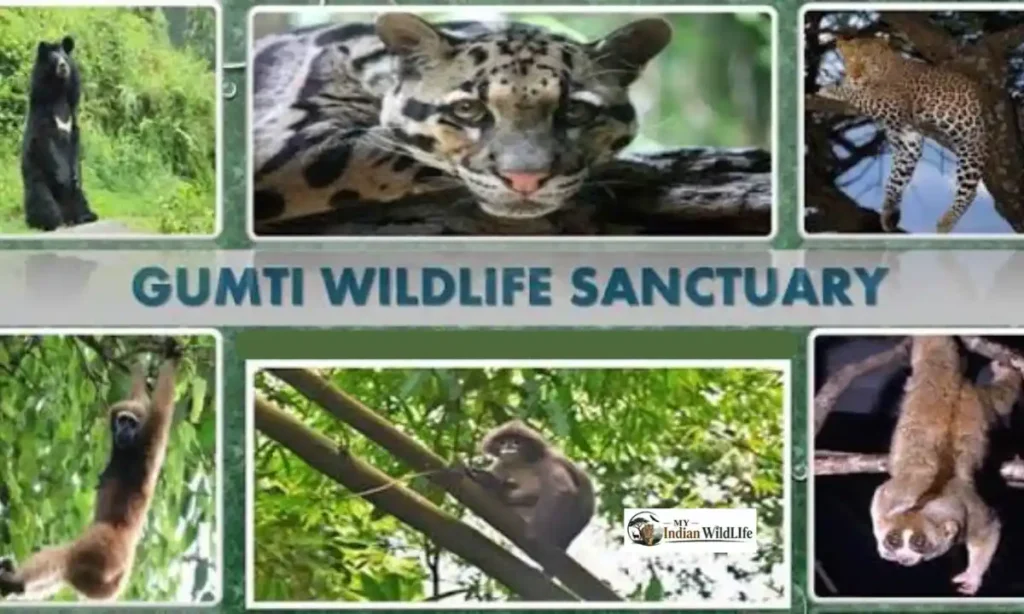
Gumti Wildlife Sanctuary is among the most popular wildlife spots in Tripura, northeastern India. It is known for its lush green forests, rich wildlife, green hills and high level of biodiversity, which make it a popular spot for nature enthusiasts, bird watchers and wildlife lovers. The forested landscape of this sanctuary provides a natural habitat for a large number of mammals, birds and various wildlife species.
Covering an area of approximately 389.54 square kilometers, Gumti Wildlife Sanctuary is the largest wildlife sanctuary in Tripura. It was established in 1988, and since then it has been contributing towards the preservation of natural forests of the state. The proximity of Dumboor Reservoir to the sanctuary makes it even more beautiful and offers opportunities for nature photography and sightseeing.
Where Is Gumti Wildlife Sanctuary Located?
Gumti Wildlife Sanctuary lies in southeastern Tripura, India, and is set against the backdrop of the forested terrain belonging to Gumti River and Dumboor Reservoir. This region is characterized by its rolling hills, heavy vegetation, water resources and human settlements, thus making it rich in various forms of flora and fauna.
The travel itinerary for reaching the sanctuary can be drawn up based on the nearby towns like Amarpur, Udaipur and Gandacherra, according to preference. Because of its vastness, it is advisable that the travelers identify the right point of access before embarking on the journey. In addition, it can allow them to have a tour of places like Dumboor Reservoir and more in southeastern Tripura.
Gumti Wildlife Sanctuary Overview
Gumti Wildlife Sanctuary is known for its dense forest, abundant wildlife, and its significance for conservation. Spanning a total area of 389.54 square kilometers, the sanctuary encompasses various habitats and a diverse range of flora and fauna species. Below is a summary of all the important details regarding the sanctuary.
| Particulars | Details |
|---|---|
| Name | Gumti Wildlife Sanctuary |
| Location | Southeastern Tripura, India |
| State | Tripura |
| Total Area | Approximately 389.54 square kilometres |
| Established | 1988 |
| Main River | Gumti River |
| Nearby Attraction | Dumboor Reservoir |
| Forest Types | Semi-evergreen and mixed deciduous forests |
| Wildlife | Primates, deer, wild boar and wild cats |
| Birdlife | Resident and migratory birds |
| Best Time to Visit | October to March |
| Main Attractions | Forests, wildlife and natural landscapes |
| Popular Activities | Birdwatching, nature photography and sightseeing |
History of Gumti Wildlife Sanctuary
Gumti Wildlife Sanctuary came into existence in 1988 for the protection of forests, wildlife and natural ecosystems of southeast Tripura. It has become a great contribution in making efforts for the conservation in the region due to the protection of different types of flora and fauna in the sanctuary. It is significant because the forests in the sanctuary contain a number of mammals including primates and birds.
The entire region is also linked with the development of Dumboor Reservoir, which has come up as a result of the building of a hydroelectric dam on the Gumti River in 1974. It has created a water reservoir surrounded by hills and different islands. Presently, the forests and the reservoir add significance to the environmental aspect of the region.
Flora of Gumti Wildlife Sanctuary
The flora of the Gumti Wildlife Sanctuary consists of tropical semi-evergreen forest, mixed deciduous forest, bamboo forest, shrublands, climbers, and grassland. The plant communities serve as sources of food and cover for the wildlife in addition to other ecological functions. The forest vegetation ensures protection of the soil, management of water and provision of environmental requirements of various species.
Some tree species in the region include Schima wallichii, Syzygium cumini, Albizia procera and Terminalia species. The bamboo brakes and thick underbrush provide habitat for small animals and birds, whereas the canopy of the forest provides habitat for tree dwelling mammals. The preservation of the vegetation is crucial for the sustainability of the wildlife sanctuary.
Fauna of Gumti Wildlife Sanctuary
The Gumti Wildlife Sanctuary shelters a variety of creatures that live in the forests, like primates and deer. Various regions in the sanctuary cater to different animal species, based on their eating behavior and activity level. There are some species that stay in the tree all day, while there are those that feed on the ground or shift regions within the forest.
Some animals found in the landscape include hoolock gibbons, capped langurs, Phayre’s leaf monkeys, slow lorises, barking deer and wild boar. Leopards and leopard cats are also associated with the landscapes in the area. However, since the landscape is covered with thick vegetation, sighting all these animals may be a problem for visitors.
Animals Found in Gumti Wildlife Sanctuary
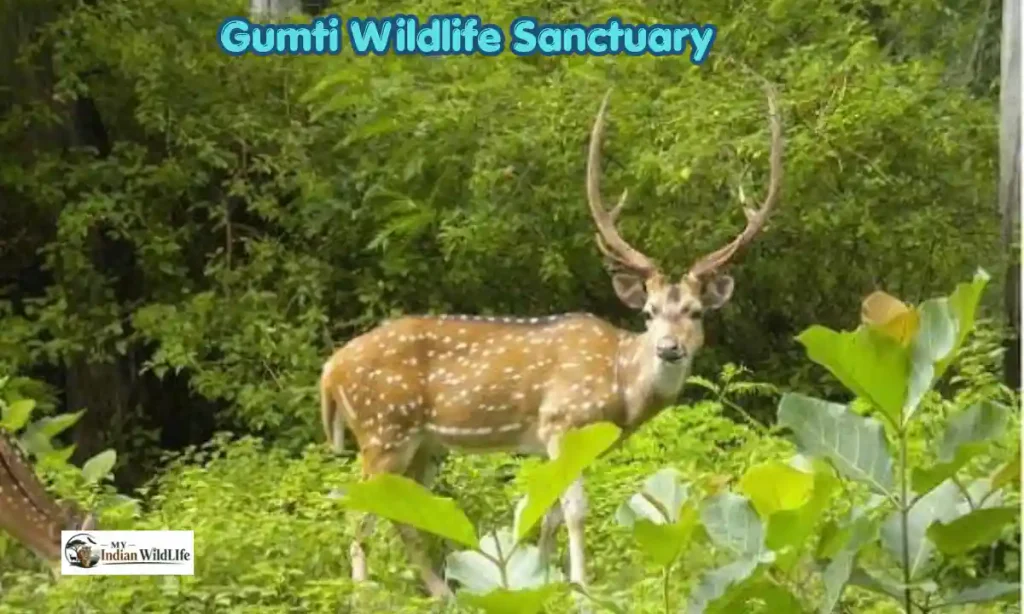
One of the best parts of the ecology of Gumti Wildlife Sanctuary is the variety of animals present. The mammals that exist in the area help to maintain the ecological balance of the forest by means of seed dispersal and the consumption of the plants. The vegetation of the sanctuary gives shelter and food for both terrestrial and arboreal mammals.
| Animal Name | Description |
|---|---|
| Hoolock Gibbon | An arboreal ape known for its distinctive calls and movement through trees |
| Capped Langur | A primate found in forest habitats across northeastern India |
| Phayre’s Leaf Monkey | A threatened primate associated with forest ecosystems |
| Slow Loris | A nocturnal primate that moves slowly through trees |
| Pig-Tailed Macaque | A primate that forages on the ground and in trees |
| Stump-Tailed Macaque | A forest-dwelling primate with a short tail |
| Barking Deer | A small deer known for its characteristic alarm call |
| Wild Boar | An adaptable mammal that feeds on roots, fruits and other natural foods |
| Leopard | A large carnivore associated with suitable forest habitats |
| Leopard Cat | A small wild cat found in forests and other natural environments |
| Indian Elephant | A large herbivore associated with suitable habitats in the wider landscape |
Birds Found in Gumti Wildlife Sanctuary
Another significant aspect of the Gumti Wildlife Sanctuary is its bird life. Its forests make for ideal abodes for forest birds whereas the wetlands as well as the Dumboor Reservoir provide chances to witness waterbirds. A mixture of forest vegetation as well as aquatic habitat ensures a range of habitats for a number of resident as well as migratory birds.
The bird species that are found in this broader area include lesser whistling ducks, bar-headed geese, ruddy shelducks, common teals, red jungle fowls, Kalij pheasants, Indian pond herons and cattle egrets. The bird-watching experience varies according to the season, weather and the state of the habitat. Binoculars would be helpful in this regard.
Dumboor Reservoir Near Gumti Wildlife Sanctuary
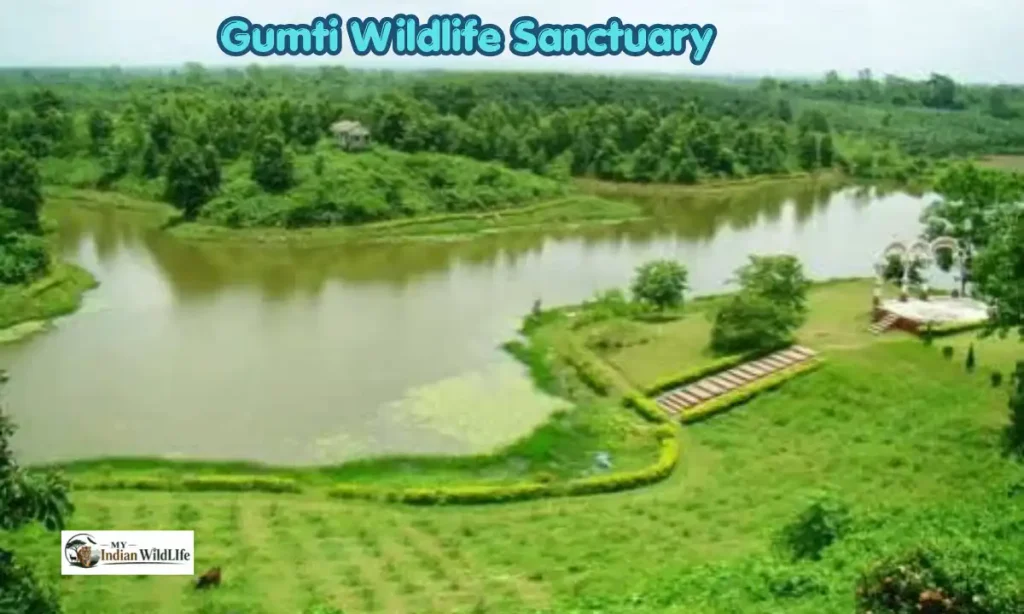
Dumboor Lake is one of the major tourist destinations in the Gumti area. Located amidst lush green hills and natural surroundings, the lake boasts a large lake along with islands. Its picturesque beauty makes it a great place for nature photography and sightseeing.
Another important factor which adds to the environmental significance of the region is that it provides a natural habitat for aquatic life and birds. Depending on the agreement in place in the region, there might be areas for sightseeing and boating. However, keep in mind that the lake and the wildlife sanctuary are two different entities.
Best Time to Visit Gumti Wildlife Sanctuary
The ideal time to go to Gumti Wildlife Sanctuary is normally between October and March, which usually make the most convenient period for travelling outdoors. The post-monsoon period becomes very appealing at this time, and the winters offer favorable weather conditions for sightseeing. Those tourists who are into bird watching will benefit from visiting the nearby wetlands during the right season.
| Season | Visiting Experience |
|---|---|
| October to November | Green landscapes after the monsoon and generally comfortable travel |
| December to February | Cooler weather suitable for sightseeing and birdwatching |
| March | Warmer days with opportunities for outdoor exploration |
| April to June | Hotter conditions that may make extended outdoor activities uncomfortable |
| July to September | Monsoon greenery, heavy rainfall and possible road difficulties |
These seasonal tips are not guaranteed wildlife experiences but only general suggestions. Travellers should always make sure to check weather reports and road conditions prior to travelling, particularly during the monsoon period.
Gumti Wildlife Sanctuary Timings
The prevailing visiting hours of Gumti Wildlife Sanctuary need to be verified by the Forest Department in the locality prior to making the journey. The visiting arrangements may vary based on the entry point, the areas that one wishes to explore and the rules that govern the habitat.
When planning the visit, find out the time of entry and exit, authorized routes, guides available, and if there are any limitations for photography or outdoor activities. This is even more important when the visitor intends to explore distant parts of the sanctuary or plan the visit in conjunction with other places of interest around the area.
Gumti Wildlife Sanctuary Entry Fee
Entry fee of the Gumti Wildlife Sanctuary, which would be applicable for all, has not been found as yet. The entry fees (if any) may depend on various factors such as the entry point that has been authorized, permissions needed and the activities to be conducted at the site. The visitors must contact the forest officials to find out about the current ticket fees.
It is also necessary to note that the entry fees charged by the sanctuary must be differentiated from those charged for various tourism activities at Dumboor Reservoir.
How to Reach Gumti Wildlife Sanctuary
Gumti Wildlife Sanctuary may be accessed through a visit to Tripura, followed by road travel in the direction of the suitable location within the sanctuary. There are different ways to get there, depending on where your destination lies whether you are going to the forest entrance, settlement, or the Dumboor Reservoir. Since the sanctuary area is very large, it is important to determine the destination.
How to Reach Gumti Wildlife Sanctuary by Air
Maharaja Bir Bikram Airport located at Agartala is the main airport connecting the city to the state of Tripura. Travelers will have to get a taxi or any other mode of transport from the airport to the destination city in Gumti. This will take a few hours depending on the distance involved.
How to Reach Gumti Wildlife Sanctuary by Train
The travel to Tripura can be done through rail and then moving to the sanctuary areas through road mode. This will depend on the choice of the traveler and train availability. After leaving the railway station, one can make arrangements for traveling to other destinations like Amarpur, Udaipur or Gandacherra.
How to Reach Gumti Wildlife Sanctuary by Road
Traveling via roads is an ideal means by which one could explore Gumti Wildlife Sanctuary and the other tourist sites around it. Private taxis as well as available transportation can take tourists from nearby towns to the proper point. However, one must check on the road routes since conditions may be different, especially when it rains heavily.
Gumti Wildlife Sanctuary Location on Google Maps
Gumti Wildlife Sanctuary is situated in southeastern Tripura, India, near Gumti River and Dumboor Reservoir. Tourists who wish to know more about the place should check out Google Maps to know how to get there and which cities nearby to visit before going to the sanctuary.
Places to Visit Near Gumti Wildlife Sanctuary
The areas around the Gumti Wildlife Sanctuary provide a mix of natural beauty, places of interest from a religious perspective, and some other local attractions. Travellers with some extra time to spend can visit other local sites, which will depend on how long they have and road access.
| Nearby Place | Main Attraction |
|---|---|
| Dumboor Reservoir | Scenic water views, islands and birdwatching |
| Amarpur | A regional town useful for organising local travel |
| Udaipur, Tripura | Historic temples and cultural attractions |
| Tripura Sundari Temple | An important Hindu pilgrimage destination |
| Gandacherra | A settlement associated with access to parts of the surrounding region |
It all depends on the particular entry point to the sanctuary for determining the most convenient sites. It is important to verify the distance, means of transport, and travel time.
Hotels and Accommodation Near Gumti Wildlife Sanctuary
One can choose among the different forms of accommodation in nearby towns like Udaipur and Amarpur and others, according to the route they have chosen. It is possible that one can get easier transportation, restaurants, and other facilities in a well-established town, especially when the person starts early in the morning or with his family.
It should be noted that there are differences in terms of accommodation facilities, so one must take into consideration the accommodation price and facilities before choosing. One should also ensure about the transportation facility from the chosen hotel.
Things to Do at Gumti Wildlife Sanctuary
Gumti Wildlife Sanctuary provides chances to get to know the natural environment of Tripura via wildlife watching, birdwatching and landscape viewing. It is advisable for visitors to stick to activities that are allowed by forest officials instead of thinking about having conventional safari facilities.
Observation of wildlife gives the chance to get information about forest animals and primates without interfering with their natural behavior. Birdwatching is another good way to spend one’s time, particularly near forests and wetlands. Nature photography, sightseeing of Dumboor Reservoir in its allowed area and knowledge about the environment will also make the visit worthwhile. People, who have extra time, can visit nearby cities and other places of interest to have more information about southeastern Tripura.
Travel Tips for Visiting Gumti Wildlife Sanctuary
A visit to the Gumti Wildlife Sanctuary can become much more pleasant with proper preparations. Due to the fact that there are inaccessible parts of the area, it is recommended for travellers to clarify everything before the visit from the nearest cities. Packing some basic necessities and following the local regulations can contribute to making the trip safe and eco-friendly.
It is recommended for visitors to confirm the visiting time, bring drinking water and insect repellent, have on some comfortable shoes and check the state of the roads in the monsoon season. Binoculars will help to look at the animals without disturbing them. It is important not to feed wildlife, litter, listen to loud music or go off the marked path.
Importance of Gumti Wildlife Sanctuary for Wildlife Conservation
The Gumti Wildlife Sanctuary is crucial for conservation of the biodiversity of Tripura. The forest cover in the sanctuary provides the wildlife species, such as mammals, primates, birds among others, their habitation. The surrounding area allows for the linkage between the forest covers and the wetlands in the ecosystem of Tripura, thus aiding in environmental balance and sustainability of natural resources.
Consequently, conservation is needed in order to minimize impacts of fragmentation of habitats, forest degradation and human disturbance. Tourism and forest management may play a crucial role in ensuring conservation of the ecosystems. Protection of Gumti Wildlife Sanctuary ensures the survival of the wildlife and natural heritage of northeastern India.
Is Gumti Wildlife Sanctuary Worth Visiting?
Gumti Wildlife Sanctuary is a place worth visiting for tourists who like forests, bird watching, biodiversity, and serene natural landscapes. The presence of Dumboor Reservoir in the vicinity makes the place even more attractive for tourists, allowing a combination of sightseeing with nature observations, if the local access permits.
Nevertheless, tourists cannot rely on seeing any large animals or expect any organized safaris in this place. If you like protected natural areas and do not mind arranging your trip according to the local access conditions, this destination might be an option for you.
Conclusion
The Gumti Wildlife Sanctuary stands out as one of the best protected natural sites in Tripura. This sanctuary is characterized by vast forests and various species of wildlife and birds. The environmental importance of the Gumti Wildlife Sanctuary makes it interesting to both nature and wildlife lovers.
If you intend to make a visit to the sanctuary, it is wise that you plan your trip and be aware of the entry requirements of the sanctuary. Gumti Wildlife Sanctuary provides an opportunity to learn about the biodiversity of the southeastern parts of Tripura.
Faqs
Where is Gumti Wildlife Sanctuary located?
Gumti Wildlife Sanctuary is located in southeastern Tripura, India, in the forested landscape associated with the Gumti River and Dumboor Reservoir.
What is the total area of Gumti Wildlife Sanctuary?
Gumti Wildlife Sanctuary covers approximately 389.54 square kilometres, making it the largest wildlife sanctuary in Tripura.
When was Gumti Wildlife Sanctuary established?
Gumti Wildlife Sanctuary was established in 1988 to protect the region’s forests, wildlife and natural habitats.
Which animals are found in Gumti Wildlife Sanctuary?
Animals associated with the sanctuary include hoolock gibbons, capped langurs, Phayre’s leaf monkeys, slow lorises, barking deer, wild boar and wild cats.
What is the best time to visit Gumti Wildlife Sanctuary?
October to March is generally a favourable period for visiting because outdoor travel is often more comfortable during these months.
Is Dumboor Reservoir near Gumti Wildlife Sanctuary?
Yes, Dumboor Reservoir is a major attraction in the surrounding Gumti region. It is known for its scenic water views, islands and birdwatching opportunities.
Is a safari available at Gumti Wildlife Sanctuary?
A regular public safari service should not be assumed to be available. Visitors should contact the local Forest Department to confirm authorised activities and guide arrangements.
What is the entry fee for Gumti Wildlife Sanctuary?
A current, universally applicable entry fee could not be confirmed. Contact the relevant forest authorities for the latest entry charges and permit requirements.
How can I reach Gumti Wildlife Sanctuary?
You can travel to Tripura by air or train and continue by road through suitable towns such as Amarpur, Udaipur or Gandacherra, depending on your intended destination.
Are hotels available near Gumti Wildlife Sanctuary?
Visitors can explore accommodation options in nearby towns such as Udaipur and Amarpur. Check current availability, facilities and transport arrangements before booking.
Can visitors enjoy birdwatching at Gumti Wildlife Sanctuary?
Yes, the sanctuary’s forests and nearby wetlands provide opportunities for birdwatching. Binoculars and quiet observation can improve the experience, although sightings depend on the season and local conditions.
Why is Gumti Wildlife Sanctuary famous?
Gumti Wildlife Sanctuary is known for its extensive forest habitats, diverse wildlife, threatened primates, birdlife and proximity to the scenic Dumboor Reservoir.
Also,Read About: Orchha Wildlife Sanctuary: Timings, Ticket Price, Animals and Travel Guide