
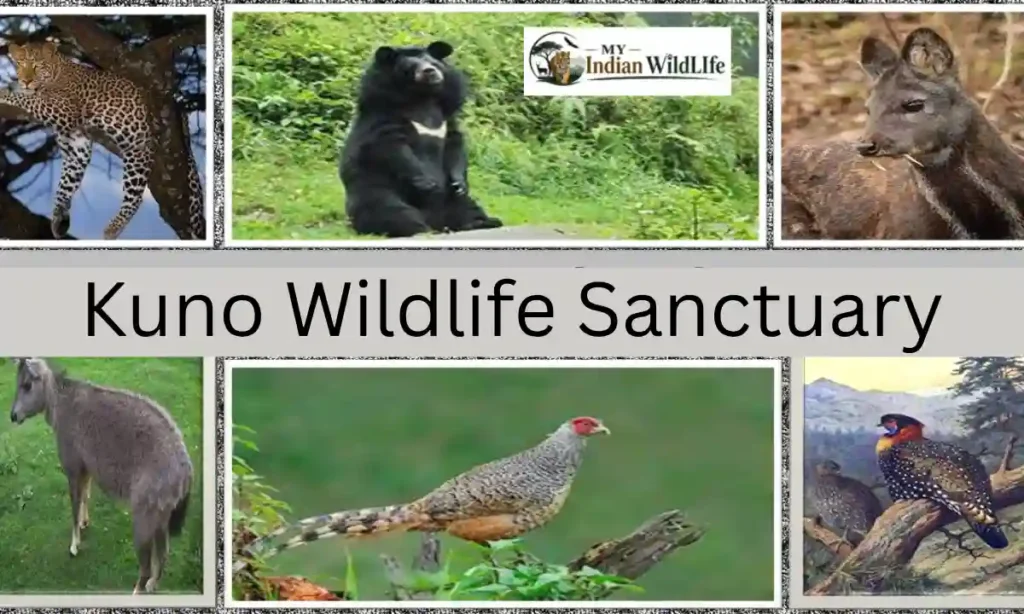
Kuno Wildlife Sanctuary is one of the most popular wildlife sanctuaries situated in the Sheopur district of Madhya Pradesh. This wildlife sanctuary is famous for its scenic dry deciduous forests, meadows, hills, and the river Kuno flowing through this protected area. This area is the natural habitat of various animals like mammals, birds, reptiles, and many other wildlife species. Kuno has acquired a lot of significance in recent times because of the wildlife conservation efforts taken up by this sanctuary. The tranquil setting of this place makes it a unique destination for wildlife lovers and nature enthusiasts.
About Kuno Wildlife Sanctuary
The Kuno Wildlife Sanctuary was created in the year 1981 to conserve the flora and fauna of the area. The protected landscape derives its name from Kuno River, which is one of the natural landmarks of the area. Through the years, there have been additions to the protected landscape and conservation efforts. In 2018, Kuno got designated as a National Park and emerged as an important protected landscape of Madhya Pradesh. The landscape is primarily made up of dry deciduous forests, grasslands, rocky terrain, and riverine vegetation, thus making way for a diverse wildlife habitat.
History of Kuno Wildlife Sanctuary
The history of Kuno is directly linked to the conservation efforts made in central India. It became a protected wildlife sanctuary in 1981 in order to conserve the natural flora and fauna of the region. Subsequently, Kuno came to be regarded as a possible habitat for lions from Gir forest. Several conservation and habitat development projects have been undertaken as a result. Moreover, some of the villages that lie within the proposed protected landscape have been moved in order to create a bigger wildlife habitat. Kuno attained the status of a National Park in December 2018.
Why Is Kuno Wildlife Sanctuary Famous?
One of the main reasons behind the popularity of Kuno Wildlife Sanctuary is that it offers a wide variety of wildlife species in addition to its unique flora and fauna and its natural forests and grasslands. After India’s cheetah reintroduction project was launched in Kuno, it became a very important destination in wildlife conservation projects all over the world. In addition to cheetahs, there are other species of wildlife that can be found in the area like leopards, sloth bears, Indian wolves, striped hyenas, chital, sambar, nilgai, and chinkara.

Wildlife in Kuno Wildlife Sanctuary
The fauna of Kuno is another attraction of the reserve. The forests and grasslands offer food, shelters, and breeding places to many species of wildlife. The ecosystem not only comprises predators but also herbivores, thus ensuring a natural balance in the forest. Depending on the time of year, location, and movement of wildlife, tourists visiting Kuno can see many kinds of mammals. Another reason why there are many species of wildlife in Kuno is that the territory is ecologically significant.
Mammals Found in Kuno
Kuno has several types of mammals present in the sanctuary, including larger predatory animals and smaller forest mammals. Some of the mammals which occur in the area are leopard, sloth bear, Indian wolf, striped hyena, golden jackal, chital, sambar, nilgai, chinkara, blackbuck, wild boar, jungle cat, and Indian fox. The open land serves the herbivores well, while the forests around the sanctuary shelter carnivores and omnivores.
Reptiles and Other Wildlife
In addition to the mammals, Kuno has a number of reptile and insect species and other smaller varieties of wildlife. The presence of forests, grassland, rock formations, and water sources makes microhabitat zones within the conservation area. These species are essential for the food web as well as for the functioning of the entire ecosystem. While the larger mammals get more attraction from the tourists, the smaller wildlife of Kuno is also equally significant for the region.
Flora of Kuno Wildlife Sanctuary
Vegetation in Kuno Wildlife Sanctuary largely comprises of dry deciduous forests, open grasslands, shrubs, and riverine vegetation. There is an annual cycle of growth in the forest with it being green during the monsoons and shedding of leaves by most of the trees during the dry periods. Some of the trees and plants that are common in this area are Kardhai, Khair, Salai, Dhok, Tendu, and Palash. These plants serve as source of food, shelter and shade for many animal and bird species present in the sanctuary.
Open grasslands are also a major vegetation type in Kuno. Grasslands provide grazing areas for herbivores such as chital, chinkara, nilgai and blackbuck. On the other hand, there is a difference in the vegetation along the banks of Kuno River and other sources of water from the dry vegetation on the rest of the land.
Bird Watching in Kuno Wildlife Sanctuary
The Kuno Wildlife Sanctuary is also a great destination for bird watchers and photographers who have a keen interest in nature. The presence of forested area, grasslands, banks of rivers, and water bodies offers proper habitat for a large number of resident and migratory birds. Different types of birds can be seen during the forest trails, especially those which are located near water bodies and grasslands. Bald eagles, peafowl, partridge, nightjars, kingfishers, and a number of other small birds can be spotted in the region. The early morning hours offer good conditions for observing the birds because the birds remain very active at that time and there is less noise in the forest area.
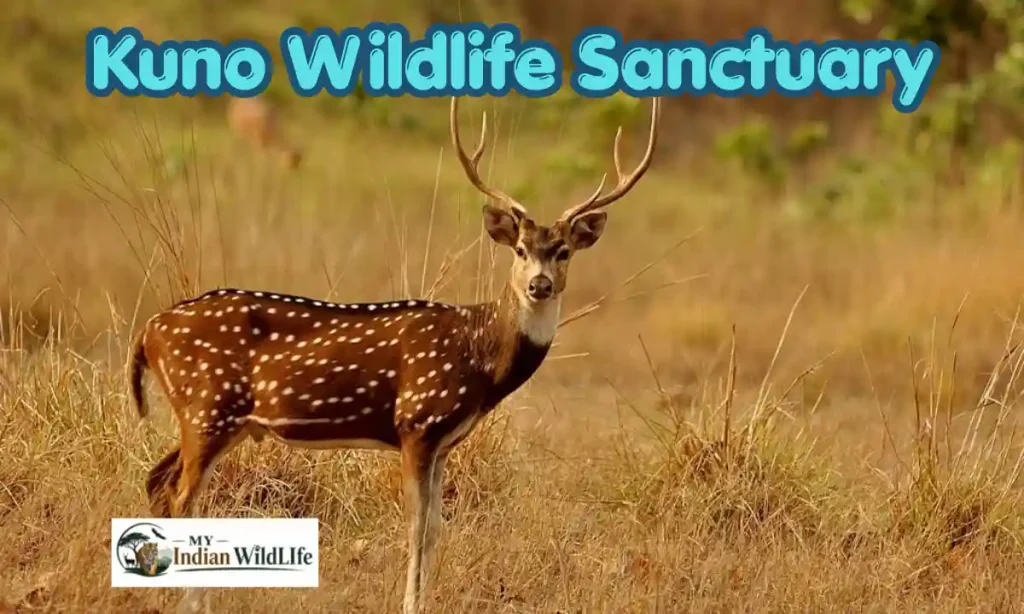
Top Tourist Attractions in and Around Kuno
Not only does Kuno offer views of wildlife but there are also historic buildings, rivers, and other natural attractions in the surrounding area that would add to one’s experience. Through the attractions in the Sheopur area, one would be able to experience both nature and culture of Sheopur.
Palpur Fort
Palpur Fort is an important historical landmark connected to the Kuno region. The fort is situated near the Kuno River and is enveloped by a natural forest environment. The historical aspect of the fort coupled with the surrounding greenery makes it a fascinating destination for those who are exploring the area. The fort also serves as a cultural addition to a wildlife adventure.
Kuno River
The Kuno River is one of the major natural assets of the reserve area. It is one of the reasons why the area has been named in this way and it also contributes to the sustenance of the local environment. The availability of water in the area surrounding the river contributes to the survival of flora and fauna in this area.
Amet Fort
Another historical place associated with the Kuno area is the Amet Fort. The surroundings of this fort give a glimpse of the historical aspect of the princely state of the area. Those who are interested in the historical aspect of the area can visit these places as well while exploring the wildlife.
Kuno Forest Landscape
The forest landscape itself is one of the key features that draw people to Kuno. Open meadows, dry deciduous forest, rocky terrain, and riverine sections provide varied scenery throughout the reserve. For those who like photography or just appreciate nature, there is the chance to see some wildlife in the peaceful forest environment of central India.
Kuno Wildlife Sanctuary Safari
Taking a safari is one of the most adventurous ways of exploring Kuno. On a legal safari, tourists go through designated areas for tourism in the presence of experienced guides, in accordance with the rules of the forest. In the process, tourists get to know about the vegetation and habitat of different animals in the forest.
It is obvious that animal sighting in Kuno forest will not be in your control. Since the animals have the freedom to move within the forest, it is impossible to guarantee the sighting of any particular animal. It is advised to keep away from the animals at all times.
Best Time to Visit Kuno Wildlife Sanctuary
The ideal time for a visit to the Kuno Wildlife Sanctuary would be during the colder season, due to the climatic conditions being favorable to explore the forest area. The month of October to March is said to be a good time to visit for wildlife tourism, owing to the pleasant climate experienced during the day and the pleasant surroundings that can be explored in the natural environment. The hotter months bring about a hike in the temperatures, while the rainy season changes the scenario completely.
How to Reach Kuno Wildlife Sanctuary?
The Kuno Wildlife Sanctuary is situated in the Sheopur district of Madhya Pradesh state. It can be accessed through various modes of transportation including air travel, railway, and road transport services. The most appropriate mode of travel will depend on the origin of the traveler and entry point into the wildlife sanctuary. Kuno Wildlife Sanctuary being a large protected area, the distance to its transportation facility varies.
By Air
Some of the nearest airports that serve the Kuno area include Gwalior Airport, among others that offer connectivity to the state of Madhya Pradesh. Travellers can travel from the airport in their taxis or private vehicles all the way to the Sheopur area and then to the Kuno area. Travellers need to ascertain their safari gate or hotel destination before picking their road routes.
By Train
The tourists can make use of the railway stations available in and around the regions of Sheopur and Gwalior to travel to Kuno via train. The railway stations of Gwalior and Morena serve as convenient ways of getting to Kuno for tourists traveling from various parts of India. The rest of the journey can then be covered by road.
By Road
One of the methods to access the Kuno Wildlife Sanctuary would be road travel. The sanctuary has been connected to Sheopur and other neighboring towns by way of road transport. People who come to the place by either car or taxi can plan their trip accordingly depending on their chosen gate of entry into the place. It is recommended that people should check the route first.
Where to Stay Near Kuno Wildlife Sanctuary?
The tourist will have several options for lodging both within the Kuno region and outside the region, such as forest-related tourism lodgings, resorts, lodges, and hotels in neighboring cities. Living near the park makes it easier to visit the safari zone in the early hours of the morning, thus saving on time. The type of lodging is determined by a number of factors including the budget, location, facilities, and the kind of wild life experience one wishes to have.
Kuno Wildlife Sanctuary Location on Google Map
The Kuno Wildlife Sanctuary is situated in Sheopur district of Madhya Pradesh. The wildlife sanctuary is situated near the river Kuno and one can easily visit it through some neighboring cities like Sheopur. People can take help of Google Maps to know the distance, route, and time taken in reaching there.
Important Things to Know Before Visiting Kuno
It is important for tourists to know all about their visiting time, permitted tour zones, timings, availability of vehicles, and other seasonal regulations before heading towards Kuno Wildlife Sanctuary. As there are some conservation policies for wildlife sanctuaries, tourists will have to follow the advice of forest guides and safari guides. Tourists must avoid carrying any unnecessary plastic and disturbing the wildlife by making noise or coming closer to the animals. Some comfortable clothes, drinking water, and sunglasses are very helpful during a forest trip.
Kuno Wildlife Sanctuary Travel Tips
Simple planning can certainly help in making one’s trip to Kuno comfortable and enjoyable. It is preferable for visitors to undertake a safari in Kuno early in the morning, use the set routes and exercise patience since sighting of animals depends on the natural movements of the animals. Clothing that is neutral and comfortable may be required especially where the visit entails forest exploration. Binoculars may be helpful in spotting birds and animals from a far distance. Above all, Kuno should be visited as a wildlife sanctuary and not as an assured destination of animal sighting.
Conclusion
The Kuno Wildlife Sanctuary is a renowned wildlife and conservation site in the state of Madhya Pradesh because of its forests, grasslands, river ecosystem, and abundant wildlife. This area contains several wildlife species such as the leopards and sloth bears among others like chital, sambar, chinkara, and more. Its association with the cheetah project of India has made it even more famous. If planned well and with due consideration for forest regulations, visiting this site will prove to be a very enlightening experience.
Faqs
Where is Kuno Wildlife Sanctuary located?
Kuno Wildlife Sanctuary is located in Sheopur district of Madhya Pradesh, India. The protected area is situated around the Kuno River and is surrounded by forests and grasslands.
When was Kuno Wildlife Sanctuary established?
Kuno Wildlife Sanctuary was established in 1981 to protect the wildlife and natural habitat of the region.
When did Kuno become a National Park?
Kuno received National Park status in 2018. It is now officially known as Kuno National Park.
What is Kuno Wildlife Sanctuary famous for?
Kuno is famous for its rich wildlife and its important role in India’s cheetah reintroduction programme. It is also known for its forests, grasslands, and diverse animal species.
Which animals are found in Kuno Wildlife Sanctuary?
Visitors may find leopards, sloth bears, Indian wolves, striped hyenas, chital, sambar, nilgai, chinkara, blackbuck, wild boar, and golden jackals in the Kuno landscape.
Can tourists see cheetahs in Kuno?
Kuno is home to reintroduced cheetahs, but their sightings are not guaranteed. Cheetahs move freely in their natural habitat, so visitors need to follow the permitted tourism routes and forest guidelines.
What is the best time to visit Kuno Wildlife Sanctuary?
The period from October to March is generally considered suitable for visiting Kuno because the weather is more comfortable for wildlife tourism and outdoor activities.
How can I reach Kuno Wildlife Sanctuary?
Kuno can be reached by road, train, and air. Gwalior and Morena are useful transport points for travellers, while Sheopur is an important nearby town for reaching the Kuno region by road.
What can tourists do at Kuno Wildlife Sanctuary?
Tourists can enjoy wildlife safaris, bird watching, nature photography, forest exploration, and visits to nearby historical attractions such as Palpur Fort.
Is Kuno Wildlife Sanctuary worth visiting?
Kuno offers a combination of wildlife, forests, grasslands, river landscapes, and conservation experiences. It can be an interesting destination for people who enjoy nature, wildlife, photography, and peaceful forest surroundings.
Also,Read About: Sepahijala Wildlife Sanctuary: Timings, Entry Fee, Location, Attractions & Travel Guide