

Sita Mata Wildlife Sanctuary is an important wildlife destination in the southeast part of Rajasthan. It has dense forests, picturesque hills, streamlets, biodiversity and serene natural environment. The sanctuary is well-known for Indian flying squirrel, one of the most exotic species of wildlife found in the area. Apart from wildlife, the destination also has religious and mythological significance owing to the presence of the Sita Mata Temple in the area.
The sanctuary is spread over a vast area of forest that occupies different parts of Pratapgarh, Chittorgarh and Salumbar districts. Different kinds of terrains make the sanctuary ideal for the living of mammals, birds, reptiles and different plant species. The visitors can have their fun in the midst of nature while exploring the place.
Sita Mata Wildlife Sanctuary Timings
The visiting hours may change according to the rules of the forest department for different seasons, as well as for different areas where entry is made. The visitors should enquire about the exact timings locally before starting off. The timings mentioned in the following table are the basic ones normally considered for visiting purposes.
| Details | Information |
|---|---|
| Opening Time | Generally in the morning |
| Closing Time | Generally before evening |
| Best Visiting Hours | Early morning |
| Recommended Duration | 3–5 hours |
| Best Season | Winter and post-monsoon |
| Night Visit | Not generally permitted without official authorization |
Sita Mata Wildlife Sanctuary Entry Fee
The entrance fee for Sita Mata Wildlife Sanctuary could be determined based on the type of visitors, their vehicles, or even safaris and other services offered at the time of visiting. The forests could also have different rates during certain seasons. Thus, tourists need to be aware of the current fee at the entrance point before visiting.
| Entry Details | Information |
|---|---|
| Indian Visitors | Fee may apply as per current forest department rules |
| Foreign Visitors | Fee may differ |
| Children | Charges may depend on applicable rules |
| Vehicle Charges | May apply separately |
| Camera Charges | May apply according to current regulations |
| Safari/Forest Activity | Separate charges may apply |
| Online Booking | Depends on the current facility |
History of Sita Mata Wildlife Sanctuary
The Sita Mata Wildlife Sanctuary holds both ecological and cultural value. It was officially designated as a wildlife sanctuary in 1979 with the aim of protecting the forests, wildlife, and their natural habitats in the sanctuary. In the long run, it has turned out to be one of the most important sites for conservation in the state of Rajasthan.
The name Sita Mata Wildlife Sanctuary has cultural ties with the tradition of worshiping Goddess Sita prevailing in the area. According to a popular story, Sita resided in this forest when she was exiled from Ayodhya. The establishment of Sita Mata Temple has added to its cultural value and brings together both pilgrims and nature lovers.
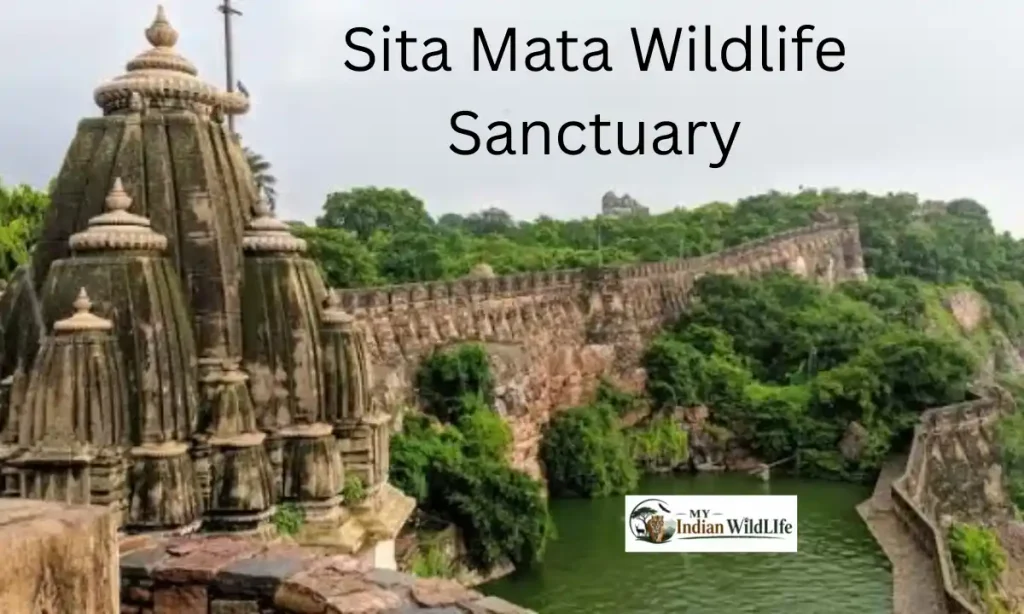
Geography and Natural Beauty of Sita Mata Wildlife Sanctuary
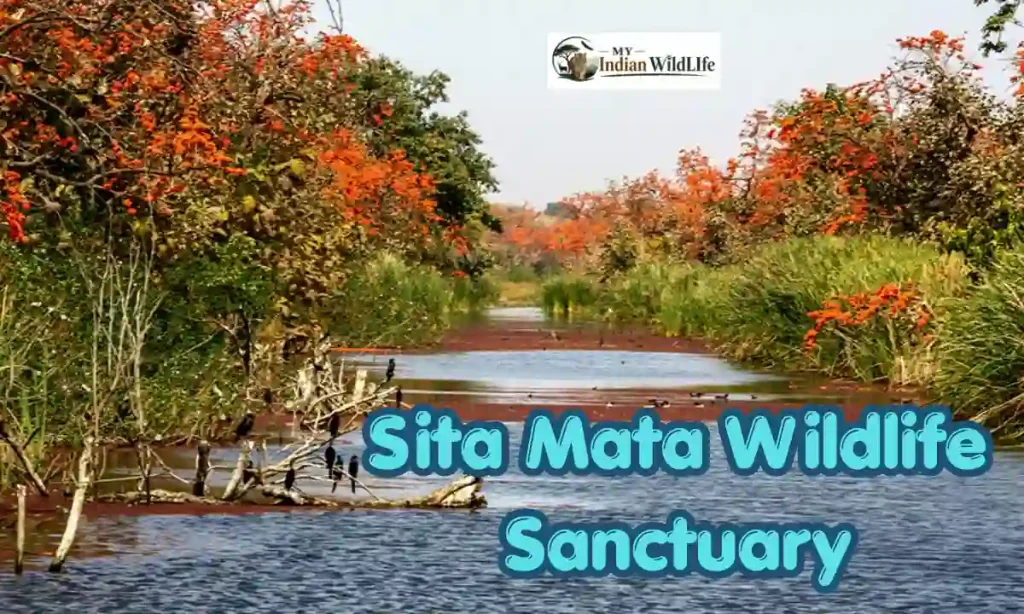
There is variation in the landscape within the sanctuary in terms of the hills, valleys, forests, streams and water bodies. The sanctuary is situated in a region where there are effects from the Aravalli and Vindhyan ranges of hills which bring variations in altitude. The forest makes the place more beautiful in the post-monsoon period as there is lush greenery and water in the streams. The rocky landscape, vegetation and open patches make ideal natural settings for photography and wildlife viewing.
Sita Mata Wildlife Sanctuary Area
Sita Mata Wildlife Sanctuary is spread over an area of approximately 422.94 square kilometers. The sanctuary, which is quite large in size, offers habitat to a variety of plant and animal life in the area. There are also various types of forests in the Sita Mata Wildlife Sanctuary. The teak tree is one of the major trees in the sanctuary, along with various other plant species that offer food and shelter to wildlife.
Flora of Sita Mata Wildlife Sanctuary
The Sita Mata Wildlife Sanctuary has an abundant and diverse variety of flora that constitutes an essential component of the environment. The forest has deciduous plants with teak, salar, tendu, amla, bamboo, and bel trees. There are various grasses, shrubs, herbs and climbers found in the entire sanctuary. This vegetation serves as a source of food, habitat and breeding ground for numerous animals, birds, and insects. When the monsoon season ends, the forest takes on a new green appearance, making the natural surroundings look more beautiful.
Fauna of Sita Mata Wildlife Sanctuary
Sita Mata Wildlife Sanctuary offers a natural environment for various kinds of mammals along with other wildlife animals. This sanctuary is especially famous for the flying squirrel that is one of its most notable creatures. Other wildlife animals present in the forest include leopard, hyena, jackal, jungle cat, fox, porcupine, spotted deer, nilgai, wild bear, and four-horned antelope. The presence of forests, hills, streams, and water sources helps to maintain balance in the natural environment by providing a habitat for various kinds of wildlife animals.
Wildlife Found in Sita Mata Wildlife Sanctuary
Sanctuary plays a vital role in providing habitat to wildlife in Rajasthan owing to its vast expanse of forestland and diverse terrain. Grazing animals have access to grass, leaves, and fruits throughout the forest, while carnivores are dependent upon the presence of prey animals. The movement of the wildlife is normally seen in the cooler part of the day. Nevertheless, animal sighting cannot be assured since the sanctuary is a natural forest where the animals are free to roam about.
Flying Squirrel at Sita Mata Wildlife Sanctuary
The flying squirrel is one of the primary attractions in Sita Mata Wildlife Sanctuary. While it cannot fly in the traditional sense, as it lacks the wings that would allow it to do so as a bird or bat does, it can glide from tree to tree using a loose skin flap attached to its limbs. The animal is nocturnal and thus hard to see when visiting the park during the day, but its existence here emphasizes the importance of the old growth forest habitat here.
Birds Found in Sita Mata Wildlife Sanctuary
Bird watching is another activity which can be done at Sita Mata Wildlife Sanctuary due to the diversity in habitats which is available in its forests, water sources, open places and vegetation. A range of resident birds can be found in the wildlife sanctuary, while there could be some wetlands in the sanctuary where seasonal and migratory birds can be attracted to the place. Bird watching is best done early in the morning when it is most comfortable and the forest is quiet with birds being active.
Sita Mata Temple Inside the Sanctuary
The other major attraction is the Sita Mata Temple which has religious significance because it is situated inside the sanctuary. The Sita Mata Temple has been built on the basis of the cultural legends associated with the Sita Mata and is believed to be a place of pilgrimage for the devotees. As per popular belief, it is believed that Sita Mata had lived inside this forest after abandoning Ayodhya and staying with sage Valmiki.
Religious and Mythological Importance
There is a close connection between Sita Mata Wildlife Sanctuary and myths and legends connected with the Ramayana. The forest is regarded as the forest where the Goddess Sita spent her days during her stay at the ashram of sage Valmiki. It is also believed that this place was connected with Luv and Kush, the children of Sita and Lord Rama. Due to the presence of these myths and legends, the wildlife sanctuary provides tourists with an opportunity to combine their interests in wildlife and Indian mythology.
Things to Do at Sita Mata Wildlife Sanctuary
Visitors are presented with a chance to experience the natural world in a tranquil forest setting at Sita Mata Wildlife Sanctuary. Wildlife viewing is one of the popular activities, and the visitors can have a look at the natural environment and observe the flora and fauna here. The sanctuary is ideal for bird watching and photography due to the variety of forests, hills, water bodies and vegetation that exist here. In addition, those who are interested in religious and cultural sites can visit the Sita Mata Temple.
Wildlife Watching
Another amazing thing to do at Sita Mata Wildlife Sanctuary is watching the wildlife there. This sanctuary offers a natural environment to various animals including spotted deer, nilgai, jackals, hyenas, jungle cats, leopards, and flying squirrels. While walking in the forest, people must be silent because any kind of noise can cause panic to the wild life. It is always uncertain to spot wild life in the natural environment of the animal kingdom.
Birdwatching
The enjoyment of birdwatching is one of the recreational activities that one can engage in within the sanctuary. This is due to the presence of dense forests, open forested spaces, water sources like rivers and other bodies of water, which provide appropriate habitats for various kinds of birds. Early morning is an ideal time for bird watching since the birds are very lively and the environment is relatively quiet.
Nature Photography
There are many options for shooting nature at Sita Mata Wildlife Sanctuary owing to its rich diversity. Forest, hills, trees, streams, birds, and animals may serve as an excellent subject for shooting. The green environment post monsoon and the beautiful environment during winters can be particularly pleasing. While doing so, tourists must abide by the guidelines of the sanctuary and never come near animals for a better shot.
Visit Sita Mata Temple
Tourists may also be able to explore their tour of wildlife in combination with a visit to Sita Mata Temple, one of the important cultural landmarks in the sanctuary. This temple has been linked to cultural beliefs about Goddess Sita and Sage Valmiki. Taking some time off to visit the temple gives tourists a chance to explore the religious aspect of the location as well.
Explore the Forest Landscape
A visit to Sita Mata Wildlife Sanctuary can be motivated by the opportunity of experiencing the forest landscape. There are several hills, valleys, forests, and water sources that make the environment attractive. This makes the trip exciting, especially when the visitor likes a calm environment. The visitors must confine themselves to the designated areas and heed the guidelines provided by the forest officials.
Best Time to Visit Sita Mata Wildlife Sanctuary
The most appropriate time to tour Sita Mata Wildlife Sanctuary will be during the cool season when the weather conditions are favorable for tourism activities. The ideal time to explore the wildlife sanctuary is between October and March. The post-monsoon season can also be a good time due to the greenness of the forest and the presence of water sources in the forest. The summer season might be hot; thus, travelers visiting during this season should be ready for the high temperatures.
Sita Mata Wildlife Sanctuary in Winte
Winter is among the best seasons in which to visit the sanctuary. It is because the weather in the day is normally good, allowing one to enjoy some time in the woods. It also creates favorable conditions for seeing wildlife and watching birds. It is advised that visitors bring light warm clothes when coming at the start of the day because of low temperatures.
Sita Mata Wildlife Sanctuary in Monsoon
The monsoon season gives life to the new foliage that alters the looks of the sanctuary. Plants turn greener and more colorful, whereas some natural water courses might get active. The sanctuary acquires an especially nice appearance at that time of the year or even right after the rains. But travelers are advised to be informed about the current situation on the routes.
Sita Mata Wildlife Sanctuary Travel Tips
The visitors must wear appropriate clothes and shoes since the sanctuary tour requires exploring in an outdoor environment. Drinking water, basic medical needs, sun block, and insect repellents may help ease the experience. Littering, feeding, and disturbing the animals in any way is strictly prohibited. It is essential to follow the guidance of the forest officers and refrain from going to unauthorized places. The early morning visit is recommended for those who wish to explore the forest in a cooler environment.
Sita Mata Wildlife Sanctuary Safety Guidelines
Animals have to be viewed from a safe distance. Visitors are advised never to attempt to get near or feed animals no matter how innocent they may look. Noise and sudden movements are to be kept away as this may lead to disturbance of the wildlife. One should also stay within the allowed group or guide and within the specified paths. These simple guidelines will help keep visitors and the animals in the sanctuary safe.
How to Reach Sita Mata Wildlife Sanctuary
Sita Mata Wildlife Sanctuary is accessible through roadways from various places in Rajasthan and neighboring states. Pratapgarh is one such place that is significant for planning a visit since the wildlife sanctuary spreads out in the whole area around it. There are options available for travel through airways, railways, or roadways according to where one starts the journey from. Once one reaches the nearest town, he/she can further proceed to the destination through roadways.
By Air
Those who are coming by plane have an option to select a convenient airport near them and then travel through the remaining part of their journey through roads. The Maharana Pratap Airport at Udaipur is one such convenient airport through which one can visit the Pratapgarh area. From here, one can take help of road transport in order to move ahead towards the wildlife sanctuary.
By Train
Visiting by train is yet another mode of transport that tourists may opt for, considering that they have come from various other cities. Pratapgarh Railway Station may be used as the rail connection point in the area. Once at the railway station, tourists can hire a cab or take local transport to reach the wildlife sanctuary. It is recommended to verify the latest train timetables before the trip.
By Road
Another method that can be used is driving because it is one of the most feasible methods to get to Sita Mata Wildlife Sanctuary. The towns of Pratapgarh and other cities are well-connected with many other cities of Rajasthan. Individuals can go to their destination using private cars, taxis or buses. The condition of roads leading to the forests may not always be the same.
Nearest Railway Station to Sita Mata Wildlife Sanctuary
Pratapgarh Railway Station serves as a crucial railway connection for tourists making their way to the sanctuary. The railway station offers connectivity up to the Pratapgarh area; beyond that, the journey can be made via road transport. Due to the extensive coverage of the sanctuary, the exact distance of the railway station depends upon the specific attraction the tourists wish to visit.
Nearest Airport to Sita Mata Wildlife Sanctuary
The Maharana Pratap Airport located in Udaipur can be considered as one of the important airports for those who are planning to visit the Pratapgarh area. The travelers can reach the area from the airport by taxi or private transport. It is important for the travelers to keep in mind the distance from the airport in planning their tour.
Sita Mata Wildlife Sanctuary Location on Google Maps
Sita Mata Wildlife Sanctuary is situated in Pratapgarh district in Rajasthan and covers parts of Pratapgarh, Chittorgarh and Salumbar districts. Google Maps can be used by travelers to locate the wildlife sanctuary and determine the best route for reaching there from their present location. Google Maps will also be useful for travelers to locate other places around them during their travel.
Places to Visit Near Sita Mata Wildlife Sanctuary
There are various attractions related to nature, religion, and local culture available in the region near Sita Mata Wildlife Sanctuary. Tourists may visit various attractions located in the region of Pratapgarh and other neighboring regions after having visited the sanctuary. Religious monuments, forests, and attractions of local culture can be included in the itinerary according to the time duration and the route chosen.
Sita Mata Wildlife Sanctuary Travel Tips
The visit has to be planned keeping in mind the present rules of the forest department and entry conditions. Wearing comfortable clothing, good footwear, drinking water, and protective lotion may come handy while visiting the forest. All animals have to be viewed from a safe distance, and no food should be given to the animals by the visitors.
The visit needs to be scheduled early in the morning as it is quite comfortable during the morning hours to visit the forest. It is also recommended to carry a camera or binoculars, if one is interested in observing animals. One must check the entry procedures, charges, and weather conditions before making a visit to the forest.
Why Visit Sita Mata Wildlife Sanctuary?
Sita Mata Wildlife Sanctuary is unique in the sense that all these features have been amalgamated at one location. The flying squirrels, flora, mammals and birds in this sanctuary make it fascinating for people who are nature enthusiasts. It also has historical importance due to the association of Goddess Sita with the Sita Mata Temple in the sanctuary.
The Sita Mata Wildlife Sanctuary can be considered an ideal destination for those tourists who wish to experience wildlife at some tranquil place far away from the tourist hubs. This sanctuary, with its unique characteristics, is one of the unique protected zones in Rajasthan.
Conclusion
Sita Mata Wildlife Sanctuary is one of the best places to visit if you are a nature lover or if you love animals and if you want to explore the cultural heritage of Rajasthan. Dense forests, rich flora and fauna, flying squirrels, beautiful landscapes, and Sita Mata temple all add to its uniqueness compared to many other wildlife sanctuaries. Visiting the place is very soothing and relaxing as well. It would be better if you can visit during winters.
FAQs
What is Sita Mata Wildlife Sanctuary famous for?
Sita Mata Wildlife Sanctuary is mainly known for its rich forest biodiversity, wildlife and the Indian flying squirrel. It is also famous for the Sita Mata Temple and its connection with local Ramayana traditions.
Where is Sita Mata Wildlife Sanctuary located?
Sita Mata Wildlife Sanctuary is located in southeastern Rajasthan. The protected area extends across parts of Pratapgarh, Chittorgarh and Salumbar districts.
What animals are found in Sita Mata Wildlife Sanctuary?
Animals found in the sanctuary include flying squirrels, leopards, hyenas, jackals, jungle cats, foxes, porcupines, spotted deer, nilgai and four-horned antelopes.
What is the best time to visit Sita Mata Wildlife Sanctuary?
The cooler months from October to March are generally suitable for visiting the sanctuary. The post-monsoon period is also attractive because of the greenery and pleasant natural surroundings.
Is Sita Mata Wildlife Sanctuary worth visiting?
Yes, it can be a good destination for visitors interested in wildlife, forests, birdwatching, nature photography and religious heritage.
How can I reach Sita Mata Wildlife Sanctuary?
The sanctuary can be reached by road from Pratapgarh and other nearby towns. Visitors can also travel by train or air to a suitable nearby transport point and continue the journey by road.
Is there an entry fee for Sita Mata Wildlife Sanctuary?
Entry charges can vary according to current forest department rules, visitor categories and activities. Visitors should confirm the latest applicable charges before their trip.
Which district is Sita Mata Wildlife Sanctuary in?
The sanctuary is mainly associated with Pratapgarh and also extends into parts of Chittorgarh and Salumbar districts.
What is special about the flying squirrel in Sita Mata Wildlife Sanctuary?
The flying squirrel is a distinctive nocturnal mammal found in the sanctuary. It glides between trees using a skin membrane stretched between its limbs.
Is Sita Mata Wildlife Sanctuary open throughout the year?
Visiting access can depend on forest department regulations, weather and seasonal conditions. Visitors should confirm the current opening status and permitted areas before travelling.
Also,Read About: Tholpetty Wildlife Sanctuary: Timings, Entry Fee, Safari, Best Time & How to Reach