

One of the significant natural locations in Bihar is Kaimur Wildlife Sanctuary, which is noted for its dense forest, rocks, waterfalls, hills, wildlife, and biodiversity. The sanctuary is spread across Kaimur and Rohtas districts and is located in the important Kaimur hills. Thus, it is one of the places where you can see the natural beauty of southwestern Bihar.
There are many attractions of Kaimur Wildlife Sanctuary, and it is a perfect place for those people who love nature, birds, wildlife, photography, and unexplored destinations. In addition to the forests and wildlife of Kaimur, you will have the chance to visit numerous waterfalls, caves, temples, and other historical places in this area.
Kaimur Wildlife Sanctuary Overview
Kaimur Wildlife Sanctuary can be found in the Kaimur hills of the state of Bihar. The area consists of forests, hills, valleys, streams, rocky terrain, and even waterfalls during the rainy season. Its comparatively rugged terrain has been responsible for ensuring the survival of various types of plants and animals in the region. It is a vast forest area that is one of the major wildlife reserves in the state of Bihar.
| Particular | Details |
|---|---|
| Name | Kaimur Wildlife Sanctuary |
| Location | Kaimur and Rohtas, Bihar |
| Region | Kaimur Hills |
| Landscape | Hills, forests, valleys and rocky terrain |
| Known For | Wildlife, forests, waterfalls and birdlife |
| Major Attractions Nearby | Karkatgarh Waterfall, Telhar Kund and historical sites |
| Best For | Nature lovers, wildlife enthusiasts, birdwatchers and photographers |
Where is Kaimur Wildlife Sanctuary Located?
The Kaimur Wildlife Sanctuary is located in southwestern Bihar in the forested parts of Kaimur and Rohtas districts. The Kaimur sanctuary is located in the Kaimur hills that form part of the larger Vindhyan mountain range.
The area is known for its plateau regions, valleys, rocks, and forests. This location makes it possible to visit some other natural and historical places while going for a wildlife tour in the district. Google Map Location: Place the Google Map immediately after this paragraph to make readers familiar with the exact location of the sanctuary and its access points.
History of Kaimur Wildlife Sanctuary
Forests of Kaimur hills have always been linked to the natural and cultural landscapes of southwestern Bihar. The region has prehistoric rock-shelters, paintings, and archaeological sites, indicating that the presence of settlements and activities by people in this region is several centuries old.
The creation of the wildlife sanctuary was aimed at protecting the forests, wildlife and ecology of this region. As the conservation of the region progressed, attention was paid to preserving the ecosystem of the forests and ensuring the safety of the native wildlife. Now, the sanctuary has become a protected forest region of Bihar.
Area and Landscape of Kaimur Wildlife Sanctuary
Kaimur Wildlife Sanctuary is a huge expanse of forested area that goes on through the Kaimur and Rohtas districts. It is not just the forest land, but there are also hills, plateaus, valleys, rocks, and waters present in the region.
This diversity of the landscape helps in making various habitats for the wild animals and birds. In monsoon season, the streams and falls become more active, while winter season provides comfortable conditions to visit the place. It also makes the sanctuary unique in its looks as compared to other wildlife sanctuaries of Bihar.
Flora of Kaimur Wildlife Sanctuary
Plants in Kaimur Wildlife Sanctuary are mainly found from the categories of dry deciduous and mixed forests. Plants and trees growing in the region according to the seasons are part of the vegetation of the sanctuary.
Some common plants that grow include sal, tendu, mahua, bamboo, and other native plants and trees. There is great variation in the look of the forest through different seasons, where there is lush growth due to monsoon season, and there is dry vegetation during the hot season. Forest vegetation is home to different herbivores, birds, insects, and animals. It also helps to maintain the ecological balance of Kaimur hills.
Wildlife and Animals Found in Kaimur Wildlife Sanctuary
The Kaimur Wildlife Sanctuary is home to many mammals and other wild animals. The sanctuary’s forests, grasslands, rocks, and bodies of water serve as an ecosystem for herbivores and carnivores alike. Some of the animals one could see include the deer, antelope, wild boar, among others. There are also reports of larger mammals within the sanctuary, but their sighting is not assured due to the natural environment of the forest.
Blackbuck
The blackbuck is one of the famous antelopes found in the Kaimur area. It is known for its unique curved horns and has a special preference for open grasslands and scrub land.
Chinkara
Indian Gazelle, or Chinkara, is yet another animal found in the dry and open environment. This particular creature is very much adapted to the relatively dry climatic conditions in the Kaimur landscape.
Four-Horned Antelope
The four-horned antelope, commonly referred to as the chousingha, is a rare breed of antelope. It inhabits forest margins, grasslands, and areas that provide enough vegetation.
Sambar Deer
Sambar is one of the biggest deer in India and can be seen in places where they find proper forest cover. Sambar usually stays near areas where food and water is available.
Spotted Deer
The spotted deer is also called the chital because of the white spots that appear on its body. They are social animals that usually feed on plants like grass.
Nilgai
Nilgai is the largest antelope in India and has the ability to thrive in diverse environments such as scrub, woodland, and grassland. It is sometimes observed in areas around protected forests.
Sloth Bear
The sloth bear is one of the significant large mammals belonging to the forest ecosystem. The sloth bear primarily eats insects, fruits, and other natural food and avoids human activities.
Leopard
Leopards are mysterious animals that can be found in expansive forests like those of the Kaimur hills. Leopards are not commonly sighted by tourists since they are reclusive and try to stay away from human contact.
Wild Boar
Wild boars are very adaptable forest creatures and can thrive in diverse environments. The diet of wild boar consists of roots, tubers, fruits, and other foods.
Reptiles and Snakes
The forests, rocks, and water in the sanctuary are also homes to various kinds of reptiles. One needs to be careful when on the rocks, thick vegetation, and water areas. Reptiles must not in any way be handled by visitors.
Birds Found in Kaimur Wildlife Sanctuary
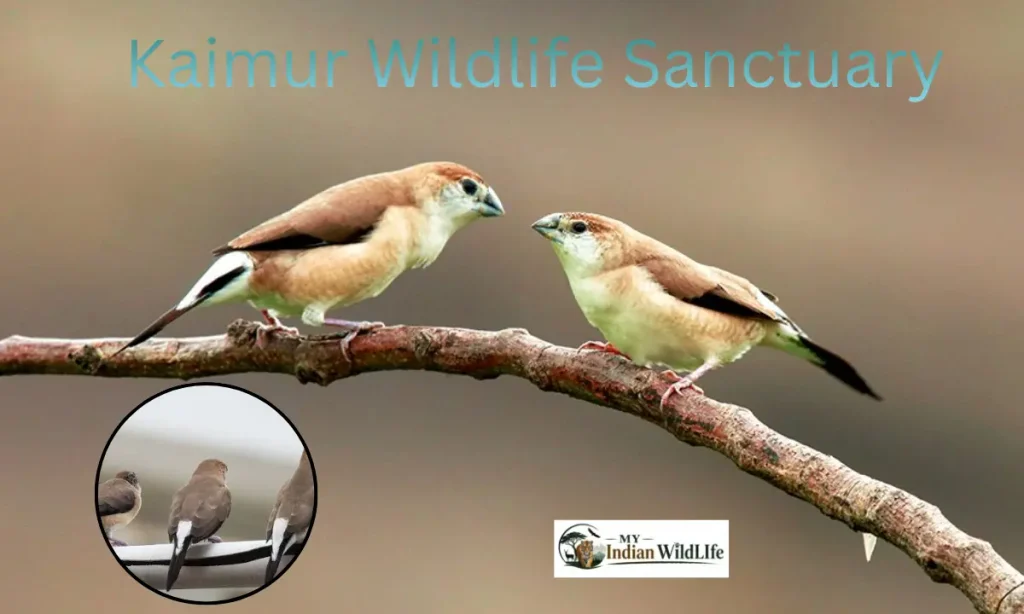
Another reason for bird watching in Kaimur Wildlife Sanctuary is that its forest, hills, streams, and clear areas serve as varied habitats for birds, which can be seen according to their seasons. It is necessary to have binoculars and be silent when bird watching in nature. It is ideal to go bird watching in early morning as most of the birds are active during cool hours.
Waterfalls and Natural Attractions
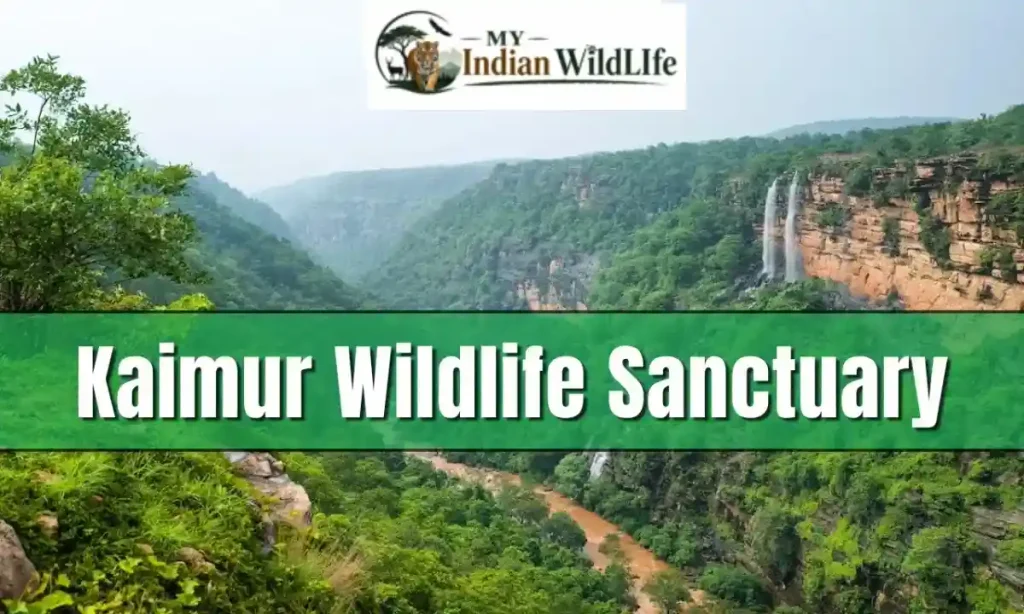
One of the main features of Kaimur is the blend of forests and waterfalls which make Kaimur very appealing to tourists. Waterfalls become particularly beautiful in the rainy season and immediately after the rainy season.
Karkatgarh Waterfall
Karkatgarh is one of the famous natural spots related to the Kaimur District. Due to the presence of the waterfall and the scenic rocky terrain, there is a lot of charm about this place, especially in the monsoon season. Besides, it is a very beautiful place to be and is good for photography enthusiasts.
Telhar Kund
Another popular tourist destination in the Kaimur hills is Telhar Kund. Being surrounded by forest and rocks, it appears even more attractive in the rainy season of Kaimur hills. Tourists generally visit Telhar Kund along with other natural and historic places in the Kaimur hill region.
Dhua Kund
The Dhua Kund waterfall site is a beautiful tourist place in the greater area of Rohtas-Kaimur. The hill and forest scenery around the location makes it beautiful, particularly when it rains. Given that waterfalls may get extremely powerful during heavy rains, it is advisable for tourists to stay away from the edges.
Things to Do in Kaimur Wildlife Sanctuary
Kaimur Wildlife Sanctuary provides activities beyond the scope of wildlife watching. The forested area, hills, waterfalls, valleys, and heritage places surrounding it make it fit for varied outdoor activities. One can indulge in nature walks, birdwatching, photography of landscapes, and visiting other attractions as well.
Wildlife Watching
Observation of wildlife forms an integral part of the visit to Kaimur Wildlife Sanctuary. The forest has been the natural home of many mammals, reptiles, and birds but the sighting of them varies according to season, weather, and animal migration. Tourists need to stay quite and keep some distance from the animals. Feeding or chasing the animals is strictly prohibited.
Bird Watching
The varied terrain of the sanctuary offers appropriate habitat to a large number of birds both resident and migratory. Bird-watching in the early morning is more comfortable as birds are more active and the environment in the forest is quite calm. A camera with an appropriate zoom lens and binoculars are recommended if one enjoys bird photography. One should avoid making noise and movement while observing birds.
Nature Walks
The hilly terrain and other natural surroundings make the perfect environment to enjoy the scenery at a more relaxed pace. Nature trails offer the opportunity to see all the trees, plants, insects, birds, and smaller animals which could be overlooked when sightseeing in a hurry. In order to stay safe, visitors should only use marked trails and not venture into the deeper woods without authorization.
Photography
Kaimur Wildlife Sanctuary is rich in photography spots for landscape and nature photography. Forests, hills, waterfalls, rivers and seasonal changes in the scenery make up different subjects through the year. Photography of wildlife involves being patient. One should not use flash near animals, and should not get closer to animals just for taking a better photo.
Exploring Waterfalls
Waterfalls are amongst the most fascinating sights in the Kaimur area, particularly during and after the rainy season. Other places worth visiting in addition to Karkatgarh waterfall and Telhar Kund include many more natural wonders surrounding these waterfalls. It is important to note that rocks near waterfalls can get very slippery. This means that tourists should stay away from the water.
Exploring Historical Sites
There are also some other places of historical and archaeological significance in Kaimur. Kaimur is home to some very old temples, caves, rock shelters, and also prehistoric paintings. This will help you enjoy wildlife tourism as well as heritage tourism together.
Best Time to Visit Kaimur Wildlife Sanctuary
The most favorable season to visit Kaimur Wildlife Sanctuary really varies depending upon your preferences. The period between October and March is considered to be more favorable for tourism due to relatively mild weather. If one wishes to see the waterfalls and greenery, then the monsoon and post-monsoon season becomes very favorable. However, excessive rains can make some areas hazardous for movement.
| Season | Months | Experience |
|---|---|---|
| Winter | October–February | Pleasant weather and comfortable sightseeing |
| Spring | March–April | Mild to warm weather and changing forest scenery |
| Summer | April–June | Hot conditions but wildlife may be easier to locate near water |
| Monsoon | July–September | Green landscapes, streams and waterfalls |
Kaimur Wildlife Sanctuary in Monsoon
Monsoon makes the Kaimur land much greener than it used to be. The waterfalls and streams flow actively, and the hills and the forests look new. It is a good time to click photographs, but at the same time tourists have to be cautious due to the fact that rain could make the rocks very slippery.
Kaimur Wildlife Sanctuary in Winter
This is among the best times when you can explore Kaimur. It is also among the times when the weather will be favorable for touring and sightseeing activities outdoors. The temperatures may be lower in the morning and evenings, hence it is advisable to carry a jacket. This time of year is also suitable for people who wish to tour the sanctuary and the temples.
Kaimur Wildlife Sanctuary in Summer
Summer is also very warm, especially in the afternoon. Nevertheless, mornings can be appropriate for nature viewing and sightseeing. In case you are traveling during summer, you should begin your outdoor activities in the early morning hours and have enough water to drink. Do not stay outdoors for long when it is too hot.
Kaimur Wildlife Sanctuary Timings
A general schedule that applies to all forest areas and attractions inside the sanctuary may not exist. The timings for visiting some forest areas and trails could vary according to guidelines set by the respective forest departments and prevailing climatic conditions. One must check the prevailing visiting times and rules before embarking on any forest visit.
Kaimur Wildlife Sanctuary Entry Fee
The entrance fees and fees for activity or individual entry into the forest may differ based on the particular forest one visits. It is advisable to check the latest fees charged by that particular forest. It is advised not to depend on outdated information available online because the rules and fees at a wildlife sanctuary may change.
Safari and Forest Exploration
Kaimur is different from the other famous tiger reserves because it does not function according to a standard jeep safari. Forest visits in the area may be contingent upon permitted regions, local rules and tourist options. It is important for visitors to follow authorized trails as well as listen to the forest authorities and local guides. Visiting unauthorized forest regions can be dangerous as well as against wildlife preservation laws.
How to Reach Kaimur Wildlife Sanctuary
The Kaimur Wildlife Sanctuary can be accessed through both roads and railways, and Bhabua town and others in the Kaimur district can be helpful for accessing the sanctuary. The mode of transportation varies based on where in the huge sanctuary and its nearby sites one plans to go. As the sanctuary is a large one, therefore, it becomes very important to choose the right destination before commencing the travel.
By Air
The closest feasible airport will vary based on the specific destination inside the protected area. Visitors may utilize any airport that lies in the wider Bihar/UP area and then travel further to their destination by road or train. For a journey centered around Kaimur, measuring the road distance between the chosen airport and the destination would be advisable.
By Train
Train travel is one way that is comfortable for tourists who are coming to Kaimur from other places within Bihar and nearby states. Bhabua Road Railway Station serves as a key railway link to Kaimur. Once tourists get down at the railway station, they can head towards their destinations via taxis or other road transport.
By Road
The easiest way to tour Kaimur is by road because all the points of interest of the sanctuary are scattered over a vast distance. The tourists who decide to travel by vehicle can plan their route via the places like Bhabua, Mohania, Adhaura or other places according to their interests.
Nearest Railway Station to Kaimur Wildlife Sanctuary
Bhabua Road Railway Station is one of the most important railway stations for accessing the Kaimur area. The station is close to the town called Mohania and is connected with some major cities. From this station, tourists will have to travel further via road transport since the sanctuary is spread out over a big wooded area.
Nearest Airport to Kaimur Wildlife Sanctuary
Selection of the airport is based on the origin of the individual as well as the particular location in the national park that he/she wishes to visit. The Lal Bahadur Shastri International Airport of Varanasi could be one of the good choices for travelers due to its connectivity to southwest Bihar. Once you reach the airport, your travel may be continued via road transport.
Distance from Bhabua to Kaimur Wildlife Sanctuary
Bhabua town holds significance not only as a town but also as an administrative center located in Kaimur district. It makes a good base from which you can explore the nearby region. The actual distance to the specific sanctuary attraction differs as Kaimur Wildlife Sanctuary spans over a vast expanse of land. You need to measure your distance according to your particular point of interest in the sanctuary.
Places to Visit Near Kaimur Wildlife Sanctuary
The Kaimur area has some tourist spots which can be added to a wildlife tour package. These spots are waterfalls, temples, hills, and historic places.
Mundeshwari Devi Temple
Mundeshwari Devi Temple is among the many historical places of importance in Kaimur district. The temple stands on a hill and has gained recognition because of its historical and architectural importance. Tourists who are keen to visit places of historical importance may visit the temple when touring Kaimur.
Karkatgarh
Karkatgarh is famous for its waterfalls and its beautiful natural environment. The location becomes even more picturesque during monsoon when water flows more abundantly. It makes a very popular spot among nature enthusiasts and photographers because of its rocky terrain and green surroundings.
Telhar Kund
Telhar Kund is yet another site that is popular due to its scenic beauty in the Kaimur hills. The presence of forests, hills and water makes this place very attractive for tourists.
Adhaura
Adhaura is known to be a hilly and forested area, related to the Kaimur landscape. Adhaura can be used as a starting point in exploring some of the natural areas of the region that have not been developed. The forests and hills around the place offer an environment free from noise.
Rohtasgarh Fort
The Rohtasgarh Fort is one of the many historical landmarks in the greater Rohtas-Kaimur area. Situated in a beautiful hilly location, the fort symbolizes the historical past of the place. A blend of its architecture along with its hilly and forested location makes the place appealing to heritage tourists.
Where to Stay Near Kaimur Wildlife Sanctuary
There is a shortage of accommodation facilities near the Kaimur Wildlife Sanctuary compared to the number of accommodation facilities near some national parks and tourist spots. The preference of the tourists is to stay in nearby cities like Bhabua, Mohania or Sasaram based on their sightseeing program.
For tourists who plan to visit the forest and waterfalls, they would have to save time by staying closer to their sightseeing area. Some local accommodation facilities may be available in nearby cities. It is advisable to check the availability of facilities like parking, food, hot water and air conditioning before booking the accommodation.
Food and Restaurants Near Kaimur Wildlife Sanctuary
Availability of food near the protected forest region may not be many.
Hence it is advised to have food planning done before going towards such remote sites.
At Bhabua or any of the nearby places like Mohania etc., people will find restaurants and eateries that provide North Indian cuisine and also the traditional Bihar cuisine. Simple dishes like Rice, Dal, Vegetables and Roti will not be hard to come by. If one is going to visit waterfalls or any natural attractions, it is good to carry drinking water and some light snacks. It is also better not to throw any garbage in natural surroundings.
Facilities Available for Tourists
Kaimur Wildlife Sanctuary is a vast natural reserve and not a very commercialized tourist attraction. Hence, the amenities may differ greatly depending on the particular place in the area. The basic amenities will be available in the nearby towns whereas the forest and waterfall areas may have inadequate amenities. It is recommended that visitors carry necessities such as water, medicine, sun screen, comfortable shoes, power bank, and cash.
Important facilities to consider
- Facilities for parking might be available near some attractions.
- Food and drinks will be more available in nearby towns.
- Communication services could be unavailable in some remote forests.
- Medical facilities could be found easily in nearby towns.
- Public toilets might not be available at all natural attractions.
- Transport facilities could be unavailable near some remote destinations.
- Water supply will be carried by visitors when visiting some isolated attractions.
Travel Tips for Kaimur Wildlife Sanctuary
A little bit of preparation will ease a lot of trouble while visiting Kaimur. Given the size and topography of the sanctuary as well as the various other attractions nearby, one should not expect to visit it like an ordinary city destination.
Plan Your Route in Advance
Decide which points of interest you would like to see before beginning your trip as Kaimur Wildlife Sanctuary is vast and the different points of interest could be far away from one another.
Carry Sufficient Water
Always bring water for drinking; this is especially important when visiting waterfalls, forests, and places that are far from shops.
Wear Comfortable Shoes
The landscape includes hills, stones, and rough terrain. Comfortable and sturdy shoes are far better suited to the job than sandals or dress shoes.
Avoid Disturbing Wildlife
Never come close, chase, try to feed, or touch wild animals in any way. Wild animals must always be observed at a distance.
Keep the Forest Clean
Bring back your litter with you. Plastic bottles, wraps, and all other forms of waste will pose danger to the environment.
Follow Forest Rules
In case a particular region needs permission, a guide, or an authorized vehicle, follow the directions of the respective authorities.
Be Careful Around Waterfalls
Water levels increase quickly during the rainy season. Do not venture into areas that are deep in water. Avoid going near slippery rocks.
Start Early
It is beneficial to start early when one wants to visit several locations within one day. It is also more comfortable to go out early morning.
Carry Basic Essentials
A small backpack containing water, some food, sun protection cream, bug spray, medical supplies, a portable charger, and other necessary personal items is helpful.
Respect Local Communities
Many villages are found within the forest scenery. Be respectful of the local culture, make no unnecessary noise, and seek permission to take photos of the locals.
Rules and Regulations for Visitors
Kaimur Wildlife Sanctuary is a protected natural ecosystem; thus, visitors must adhere to eco-tourism principles. The guidelines can be different based on the specific forest area or tourist spot.
The most important guidelines are:
- Do not litter in the forest.
- Do not give food to wild animals and birds.
- Do not play loud music in forest areas.
- Do not try to get closer to wild animals.
- Do not collect any natural resources like plants, rocks etc.
- Do not visit restricted areas.
- Obey instructions provided by the forest authority.
- Do not start any fire in forest areas.
- Do not litter plastic.
- Stay silent while watching wildlife.
- Follow safety guidelines near waterfalls and cliffs.
Wildlife Conservation in Kaimur Wildlife Sanctuary
Kaimur forest conservation is very vital because the area hosts numerous plant and animal species. The vast forest area offers shelter, food and mating grounds to the fauna and helps conserve the soil and water resources.
Sanctuary conservation will go a long way in ensuring the ecological nature of Kaimur hills is preserved. Forest conservation, illegal acts prevention, wildlife habitat protection and eco-friendly tourism will help conserve the biodiversity of the region. Tourism can actually help in conservation by just adhering to the regulations of the sanctuary.
Why Should You Visit Kaimur Wildlife Sanctuary?
For those travelers who are in search of an off-the-beaten-path place to explore, Kaimur Wildlife Sanctuary should be one of the first choices in Bihar. Unlike destinations that have a single tourist hotspot, Kaimur has forests, hills, wildlife, waterfalls and historic sites to offer.
The area around the destination has a lot to offer especially to the traveler who loves road trips. This includes watching wildlife, bird watching, waterfalls, taking pictures and exploring historic places. The other plus about this destination is its change in looks according to seasons. The season of monsoon provides greenery and waterfalls, whereas winters provide pleasant weather for sightseeing.
Kaimur Wildlife Sanctuary Travel Itinerary
One-Day Kaimur Wildlife Sanctuary Itinerary
A day’s excursion should be planned based on just a few attractions instead of attempting to explore the whole sanctuary in one day.
Morning: Early start is recommended to journey to your chosen natural place of interest and spend time enjoying the surroundings and watching birds or wild animals.
Late morning: Go to a waterfall or scenic spot like Karkatgarh or Telhar Kund based on your travel plans.
Afternoon: Take your lunch from a nearby town or if you have opted for a remote area, then pack food.
Evening: Go to a temple or other heritages nearby before going back home or further traveling destination.
Two-Day Kaimur Wildlife Sanctuary Itinerary
A two-day tour gives you sufficient time to enjoy exploring the forest terrain and other interesting destinations without haste.
Day 1: Arrive in the Kaimur district area, spend the night at an accommodation facility, and visit a natural spot close to your accommodation.
Day 2: Begin your day early and take a tour around the nature and wildlife, and afterwards proceed to visit other interesting destinations such as waterfalls and temples.
Kaimur Wildlife Sanctuary Of Google Maps
The map is especially helpful for making plans for visiting Kaimur due to the vastness of the sanctuary and the dispersion of its sites throughout various regions.
Placement of Google Map: Place an interactive Google Map below this section highlighting Kaimur Wildlife Sanctuary, Bhabua, Adhaura, Karkatgarh Waterfall, Telhar Kund and other important nearby attractions.
The map will help the reader have an idea about the distance between the sanctuary, other towns and tourist spots.
Kaimur Wildlife Sanctuary Travel Tips for First-Time Visitors
However, Kaimur Wildlife Sanctuary must be visited after some pre-planning, since it is not a small, well-maintained tourist park; it is a vast forest area with scattered attractions. Newcomers should first figure out what part of the wildlife sanctuary they wish to see and what other attractions should be covered. Moreover, one should also consider the season. Winter is suitable for sightseeing purposes, while the monsoon season is perfect for waterfall lovers and nature lovers but difficult for trekkers.
Carry the Right Essentials
Take water to drink, comfortable walking shoes, sun lotion, mosquito repellents, a first aid box, a power bank, and any medicines you might need. Binoculars would be useful in case you are bird watching.
Avoid Plastic Waste
The natural beauty of Kaimur is based upon the cleanliness of its forests and water bodies. It is advised to use minimum single-use plastics and bring back all used wrappers/bottles.
Keep Emergency Numbers Handy
Prior to traveling to remote locations, store essential contact details locally and ensure that your mobile phone has enough charge. Mobile network reception may not necessarily be the same everywhere in the forest zone.
Travel With Local Guidance
If the visitors are not familiar with the forest paths, then they may need some help from the locals. The visitors must follow the instructions provided by the authorities.
Kaimur Wildlife Sanctuary for Families
The Kaimur area is an attractive spot for families who like nature and sightseeing outdoors. Besides wildlife, visitors can also enjoy natural wonders such as waterfalls and scenic locations. For families with young children, caution is required around areas with rocks, steep cliffs and waterfalls. Children should stay close to adults at all times, especially in areas around water and forests.
Kaimur Wildlife Sanctuary for Nature Lovers
For lovers of nature, there is the chance to appreciate the diversity of the forests, hills, rivers, wildlife and the seasonal changes of the landscape in the sanctuary. For those who love tranquility, there is also an opportunity for them to tour this area when it is less popular rather than visiting the most popular sites.
Kaimur Wildlife Sanctuary for Photographers
Kaimur provides varied options for photography. Forests, hills, waterfalls, rock formation, temples and village scenes are just some of the options available. Wildlife photography requires a long lens since it is very important to keep a safe distance from the animal subjects. Landscape photographers will appreciate the rains as this will make the hills greener and the waterfalls livelier.
Kaimur Wildlife Sanctuary vs Other Wildlife Destinations in Bihar
Kaimur Wildlife Sanctuary is quite different from other wildlife sites in Bihar. Kaimur Wildlife Sanctuary attracts visitors because of the presence of wildlife as well as mountains, forests, waterfalls and many more.
| Feature | Kaimur Wildlife Sanctuary |
|---|---|
| Main attraction | Forests, wildlife and hills |
| Landscape | Rocky hills, valleys and forests |
| Waterfalls | Several attractions in the wider region |
| Birdwatching | Suitable |
| Photography | Wildlife and landscape photography |
| Heritage | Temples, caves and archaeological sites nearby |
| Ideal travelers | Nature lovers, photographers and explorers |
| Tourism style | Nature and outdoor exploration |
Responsible Tourism in Kaimur Wildlife Sanctuary
Responsible Tourism is very crucial in helping to protect a delicate forest ecosystem. Travelers need to remember that this is mainly a place where wild animals live and should not be mistaken for an amusement park.
It is advisable not to offer food to animals, make noise, litter and try to approach animals to take pictures. These simple steps help in minimizing disturbances to animals and maintaining the natural environment. Travelers also need to respect the community living within this forest area.
Best Photography Spots Around Kaimur
There are many photogenic locations in the Kaimur area. There is the beauty of waterfalls during the monsoons, and there are views from hills and forest landscape areas that make for great wide-angle photographs.
Some sites one may wish to visit are:
- Karkatgarh Waterfall
- Telhar Kund
- Forest Kaimur hills
- Rock formations near Adhaura
- Mundeshwari Devi Temple
- Other historical/Archaeological sites nearby
Always ascertain the site access details prior to visiting the photography location.
What to Pack for Kaimur Wildlife Sanctuary
If you pack your luggage well, your journey will be made more comfortable.
| Item | Why You Need It |
|---|---|
| Drinking water | Useful in remote areas |
| Comfortable shoes | Suitable for uneven terrain |
| Sunscreen | Protection from strong sunlight |
| Hat or cap | Useful during daytime |
| Insect repellent | Helpful in forest areas |
| Binoculars | Useful for birdwatching |
| Camera | Wildlife and landscape photography |
| Power bank | Useful where charging facilities are limited |
| First-aid kit | Basic emergency needs |
| Light jacket | Useful during cooler months |
| Rain protection | Important during monsoon |
Safety Precautions at Kaimur Wildlife Sanctuary
Tourists need to be extremely cautious as the reserve has forests, hills, rough terrain, and water sources. Natural environments might be hard to travel through when it rains heavily. It is not advisable to venture into secluded forested areas without having the right knowledge and permission. In places where there are waterfalls, one should never stand on slippery rocks or get close to flowing water. Animals in the wild must always be seen from a safe distance. One must keep cool if one comes across any wild animal suddenly.
Is Kaimur Wildlife Sanctuary Worth Visiting?
Yes, Kaimur Wildlife Sanctuary should definitely be on the to-visit list of those travelers who love visiting natural sites. It offers a unique experience with its forest, wild life, hills, waterfalls and historical places.
Kaimur Wildlife Sanctuary would be especially interesting for those tourists who like going on road trip, photography, bird watching and other activities of such sort. However, if one wants to have an organized safari adventure with guaranteed tiger viewing, it is recommended to choose some tiger reserve. In the context of Bihar itinerary Kaimur is especially interesting because of its nature with temples and waterfalls nearby.
Conclusion
Kaimur Wildlife Sanctuary is among the interesting destinations in the natural world of Bihar. This park consists of a number of different elements such as forests, hills, wildlife and picturesque surroundings. The presence of various waterfalls and ancient temples in addition to historical sites makes this area more interesting than any other wildlife destination.
In order to enjoy a trip in Kaimur, one must take into consideration several things. First of all, he/she should plan the visit based on the time of year, choose those sights which can realistically be visited, comply with rules of the forest, etc.
Faqs
Where is Kaimur Wildlife Sanctuary located?
Kaimur Wildlife Sanctuary is located in southwestern Bihar, mainly across Kaimur and Rohtas districts. It forms part of the scenic Kaimur hill region.
What is Kaimur Wildlife Sanctuary famous for?
Kaimur Wildlife Sanctuary is famous for its forests, hills, diverse wildlife, birds, waterfalls and scenic natural landscapes. The surrounding area also has several historical and religious attractions.
Which animals can be seen in Kaimur Wildlife Sanctuary?
The sanctuary provides habitat for animals such as blackbuck, chinkara, sambar, spotted deer, nilgai, wild boar and other wildlife. Leopards and sloth bears are also associated with the forest ecosystem.
What is the best time to visit Kaimur Wildlife Sanctuary?
October to March is generally considered a comfortable period for exploring the region. The monsoon season is particularly attractive for seeing waterfalls and lush green landscapes, although heavy rain can affect accessibility.
How can I reach Kaimur Wildlife Sanctuary?
Kaimur can be reached by road and rail. Bhabua Road Railway Station is an important railway connection for the region, while visitors can continue by road toward their chosen sanctuary area.
What are the major attractions near Kaimur Wildlife Sanctuary?
Important attractions include Karkatgarh Waterfall, Telhar Kund, Mundeshwari Devi Temple, Adhaura and Rohtasgarh Fort. These can be combined with a wildlife and nature trip.
Is Kaimur Wildlife Sanctuary suitable for photography?
Yes, Kaimur is suitable for wildlife, bird and landscape photography. Its forests, hills, waterfalls and rocky terrain offer a variety of subjects throughout the year.
Are waterfalls near Kaimur Wildlife Sanctuary safe during monsoon?
Waterfalls can become dangerous during heavy rainfall because water levels and currents may rise rapidly. Visitors should stay away from slippery rocks, steep edges and fast-flowing water.
Is there an entry fee for Kaimur Wildlife Sanctuary?
Entry fees and charges can depend on the particular forest area, attraction or activity. Visitors should confirm the latest applicable charges and access rules before their trip.
How many days are enough to explore Kaimur Wildlife Sanctuary?
A 2-day trip is generally more comfortable for exploring the sanctuary and nearby attractions without rushing. A one-day trip is possible if you select only a few nearby destinations.
Also,Read About: Kheoni Wildlife Sanctuary: Timings, Safari, Entry Fee, Wildlife & Travel Guide